

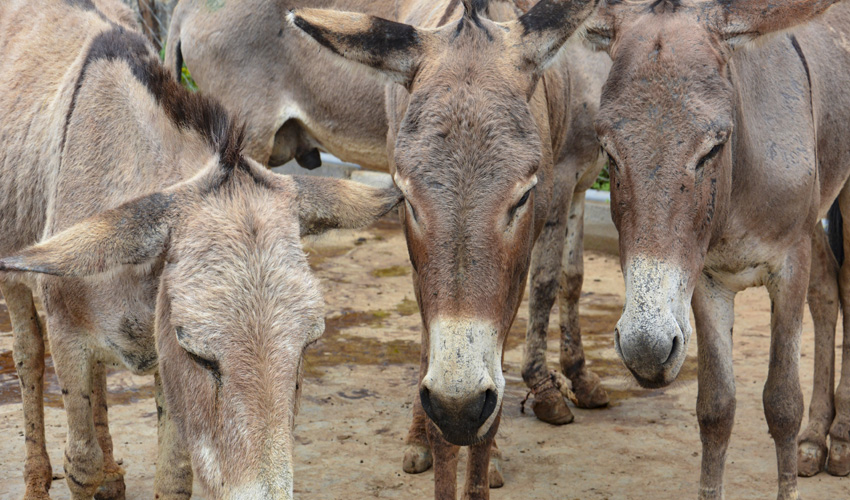

The donkey meat scandal in Rawalpindi and Islamabad has severely affected the beef trade. Over the last three months, 30–38% of small meat shops have closed. Consumers, unsettled by recent revelations, are shifting from beef to chicken, vegetables, and lentils.
Retailers Forced to Reassure Customers
The beef retailers’ union confirmed both the closures and the drop in beef sales. To regain trust, major retailers now keep the necks and tails of cattle attached until sale. This visible proof reassures customers about meat authenticity. Shops failing to adopt such measures have suffered the sharpest decline in business, according to Tribune.com.
Shift in Consumer Habits
The scandal has changed buying patterns. Many people now avoid wholesale markets that source animals from Bhakkar, Sargodha, Khushab, and Faisalabad. Customers prefer purchasing beef only from trusted butchers. In many shops, slaughtering is done openly, with carcasses displayed fully to prevent doubts.
Voices From the Trade
Naveed Qureshi, secretary-general of the Mutton and Beef Retailers’ Union, expressed concern about the fallout. “We have been in this business for 50 years,” he said. “We could never contemplate selling donkey or carcass meat.”
He explained that the union has instructed members not to separate the neck and tail immediately after slaughter. “Once half the meat is sold, the neck may be removed. The tail must remain until evening,” he said. This practice, he stressed, ensures customers’ confidence in genuine beef.
Integrity Matters
Only shops sourcing meat from distant districts have been forced to close, Qureshi added. Customers echo this sentiment. Raja Manan, another beef retailer, noted: “Integrity is a personal matter. Shops that keep the neck and tail attached inspire confidence. Customers then buy without hesitation.”
A Market in Transition
The scandal has left lasting effects on consumer behavior. Families increasingly rely on poultry and vegetables, reducing their dependence on beef. Although traders work to restore confidence, recovery for the sector remains uncertain.
