

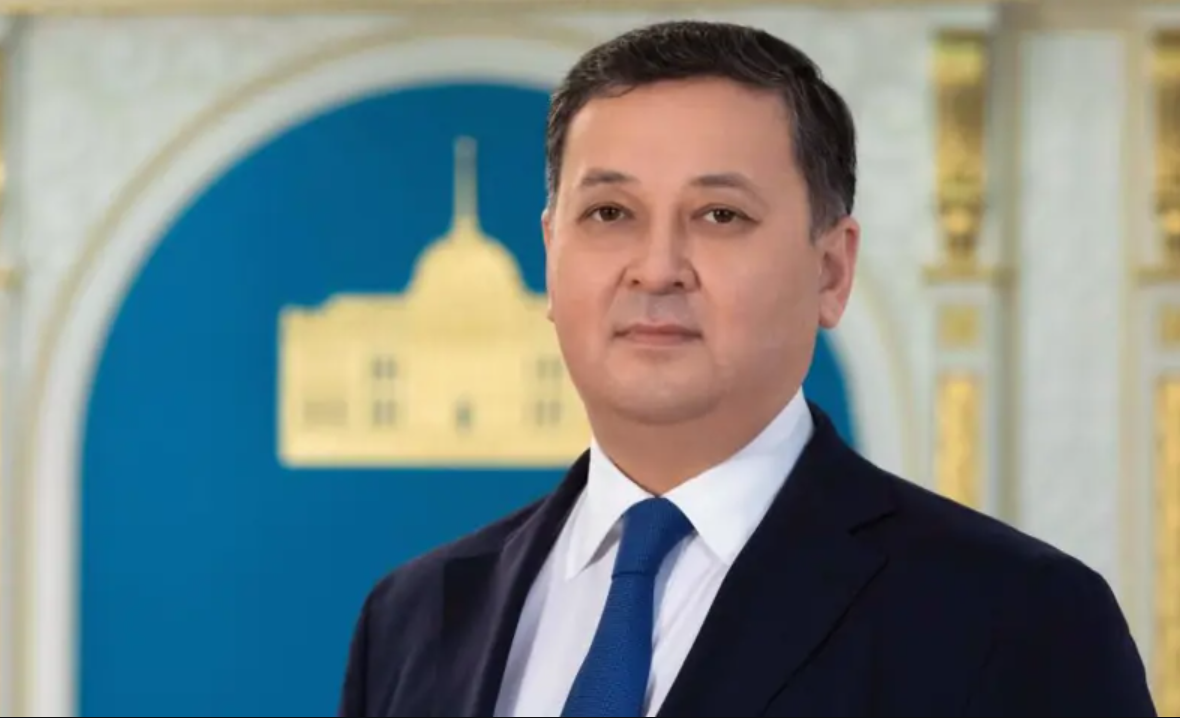

Kazakhstan’s Deputy Prime Minister and Foreign Minister Murat Nurtleu will arrive in Pakistan on September 8 for a two-day official visit. His trip aims to strengthen bilateral relations and prepare for Kazakh President Kassym-Jomart Tokayev’s upcoming visit scheduled for November 2025.
During his stay, Nurtleu will hold talks with Foreign Minister Ishaq Dar. A private meeting will be followed by delegation-level discussions. He is also expected to meet with President Asif Ali Zardari and Prime Minister Shehbaz Sharif.
The visit will serve as an opportunity to review preparations for the presidential trip. Leaders from both sides will discuss the full scope of bilateral cooperation. The focus will include trade, investment, agriculture, education, cultural exchanges, tourism promotion, regional connectivity, logistics, and collaboration at multilateral platforms.
High-Level Delegation and Key Meetings
The Deputy Prime Minister will be accompanied by a 13-member high-level delegation, including Kazakhstan’s Minister of Transport, Nurlan Sauranbayev. Joint Working Group meetings on agriculture and information technology will also be held on the sidelines of the visit. These sessions will help identify new areas of mutual benefit and strengthen institutional cooperation between the two countries.
The Foreign Office highlighted that the visit will contribute to deepening Pakistan-Kazakhstan ties across diverse fields. It is expected to generate tangible outcomes for both nations.
Trade and Economic Cooperation
Pakistan and Kazakhstan share strong diplomatic relations, supported by growing economic exchanges. However, trade volumes have faced challenges. According to official data, Pakistan’s exports to Kazakhstan dropped by more than 47 percent in fiscal year 2025. Despite this decline, Kazakhstan remains Pakistan’s top export destination among Central Asian nations. The country is also a significant importer of Pakistani mangoes, highlighting the potential of agricultural trade.
In April, the two countries agreed to sign a transit trade agreement. This pact will allow the movement of goods through Karachi, Bin Qasim, and Gwadar ports. The initiative is expected to boost regional connectivity and open multiple trade corridors for landlocked Central Asian nations.
Connectivity and Regional Projects
Efforts to strengthen regional connectivity are also progressing. In July, Pakistan, Uzbekistan, and Afghanistan signed an agreement for a joint study on a major railway project. The plan aims to connect Central Asian states with Pakistani seaports via Afghanistan, offering new routes for trade and logistics.
Kazakhstan has also shown interest in enhancing people-to-people connections. In August last year, Kazakh Ambassador Yerzhan Kistafin suggested the possibility of direct flights from Kazakhstan to Skardu. The proposal, if implemented, would give a strong boost to tourism and cultural exchanges.
Growing Security and Defense Engagement
Bilateral cooperation has not been limited to trade and connectivity. In July 2025, senior Kazakh military officials attended the Regional Chiefs of Defence Staff Conference in Islamabad. Their participation reflected both countries’ commitment to regional peace and security collaboration.
Strengthening Bilateral Ties
Tourism promotion is another key area under discussion. Pakistan and Kazakhstan have agreed to share lists of certified tour operators and launch joint promotional campaigns. These steps could attract more travelers and improve cultural understanding between the two nations.
The upcoming visit by Murat Nurtleu is seen as an important milestone in Pakistan-Kazakhstan relations. It will lay the groundwork for President Tokayev’s high-level trip in November and further solidify cooperation in multiple sectors. With shared goals in trade, regional connectivity, agriculture, and cultural exchange, both nations aim to create stronger, long-term partnerships for mutual benefit.
