


Moscow slams security proposals from Kyiv’s allies, says foreign deployments would escalate conflict
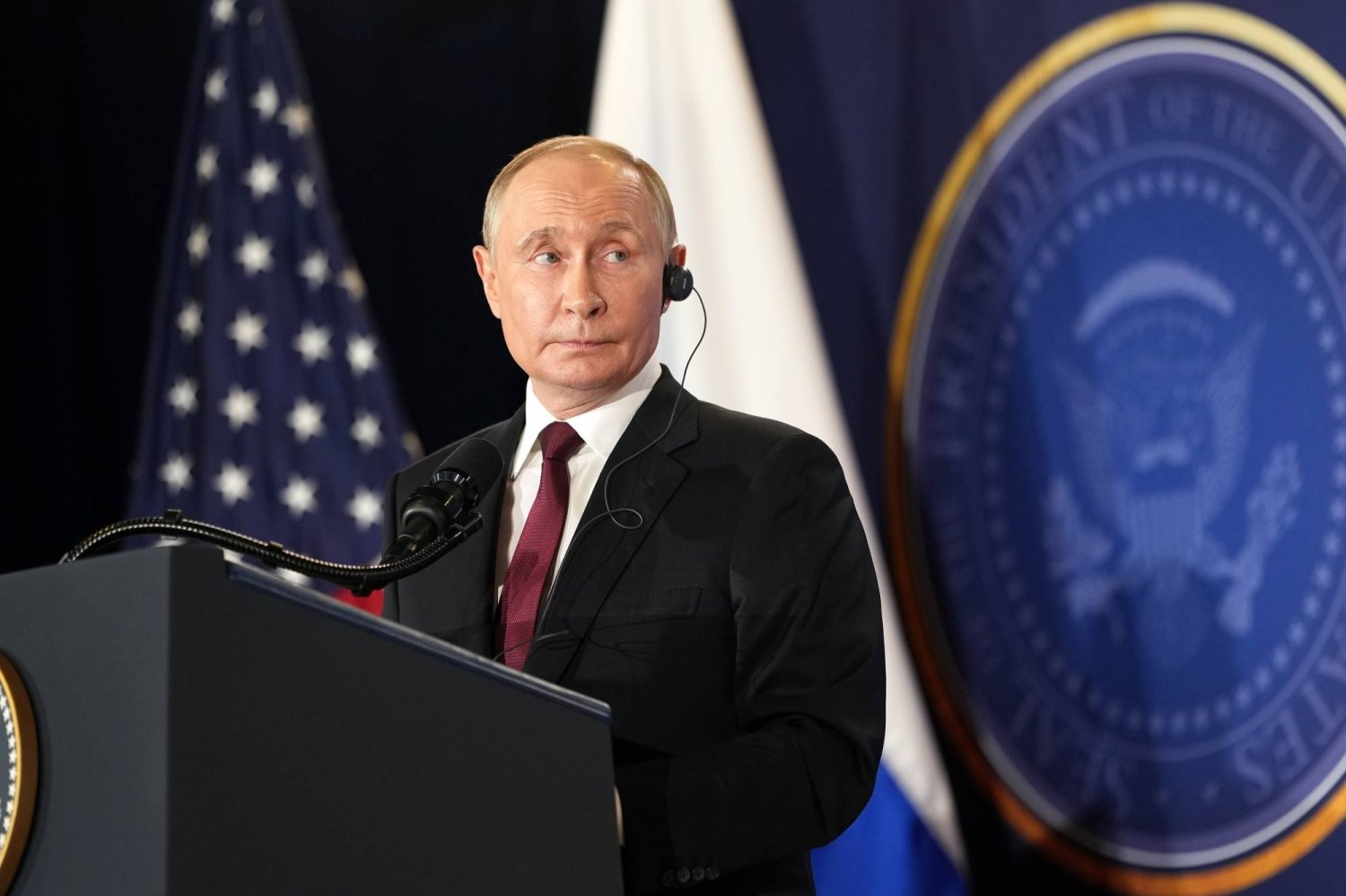
Russian President Vladimir Putin has issued a stark warning to Western nations, declaring that any foreign troops deployed in Ukraine — whether as part of a future peace deal or a deterrent force — would be seen as “legitimate targets” for Russia’s military.
His remarks, made Friday at the Eastern Economic Forum in Vladivostok, came in response to a proposal discussed a day earlier at a Paris summit involving 26 countries. Those nations, forming a “coalition of the willing,” pledged to send forces to Ukraine as a security guarantee in the event that current efforts — including those led by U.S. presidential candidate Donald Trump — lead to a peace deal between Kyiv and Moscow.
“If any foreign troops appear there — especially during ongoing hostilities — we will consider them legitimate military targets,” Putin said bluntly.
Kremlin: Foreign Troops on Ukrainian Soil Are a Red Line
Putin argued that the presence of international troops in Ukraine would undermine any potential for long-term peace, and reiterated his longstanding claim that Ukraine’s deepening ties with NATO and Western militaries were among the key causes of the war.
“If peace is truly the goal, there is no logical reason for foreign troops to remain on Ukrainian soil,” he added.
Kremlin spokesperson Dmitry Peskov reinforced Putin’s position, calling the Paris summit’s proposal “absolutely unacceptable.”
“We would consider the deployment of NATO or any foreign forces near our border a direct threat to our national security,” Peskov told reporters.
He added that the Istanbul peace framework from 2022, which Russia still references, already outlines sufficient guarantees for Ukraine — including abandoning NATO membership and adopting a neutral, nuclear-free status, in return for security assurances from global powers, including Russia.
Paris Summit: Europe’s Strategic Push Without U.S. Certainty
The Paris summit, led by French President Emmanuel Macron and attended by Ukrainian President Volodymyr Zelenskyy, aims to craft a European-led security model that could function with or without direct U.S. military involvement.
While countries like France and the UK support the idea of a future “reassurance force” to patrol Ukrainian territory after a peace deal, the extent of U.S. participation remains unclear. Former President Donald Trump, who has reopened channels of communication with Putin, has said he would not send American troops to Ukraine but may consider providing other forms of support, such as airpower.
European leaders see the initiative as a signal of independence from U.S. policy, especially amid growing concerns that Trump could make concessions to Russia if re-elected — including acceptance of Kremlin demands for a ceasefire and influence over post-war security structures.
A Fragile Peace Framework — And No Direct Talks Yet
Despite Putin’s claim that Russia is open to agreements offering security guarantees for both sides, he said no serious negotiations have taken place with Western leaders regarding any updated peace framework.
“Of course, Russia would implement any agreed-upon security guarantees — but so far, no one has had a serious discussion with us,” Putin said.
Meanwhile, Kremlin officials confirmed that a call between Putin and Trump — following the Paris summit — could be arranged quickly. Whether such dialogue can lead to meaningful negotiations or merely further complicate the international response remains to be seen.
