

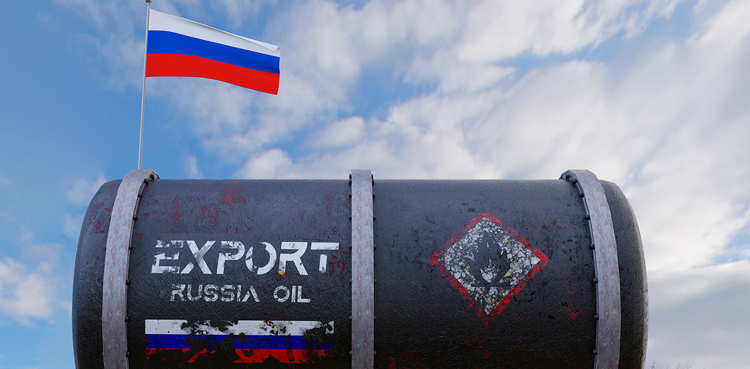

President Donald Trump imposed an additional 25% tariff on Indian imports to punish its growing purchases of Russian crude. At the same time, the European Union prepared its 19th package of sanctions against Moscow, despite running out of options.
Sanctions Backfire on the West
Western sanctions aimed to cripple Russia’s energy income. Instead, they forced Russia to pivot eastward and seek new buyers. Russia’s economy outperformed several sanctioning nations. In the second quarter of 2025, Russia grew 1.1%. Germany contracted 0.3%, the eurozone grew only 0.1%, and the UK managed 0.3%.
Price Cap Struggles to Bite
The G7 originally capped Russian crude at 60% of global market prices. The cap is intended to cut revenues without disrupting flows. Enforcement relied on Western insurers refusing coverage for shipments above the cap. Russia bypassed this by using Indian, Chinese, and local insurers. Since December 2022, Russia’s Urals crude traded above the cap 75% of the time.
In July, the EU and UK lowered the cap to 15% below market price. Urals now trades near $46.50 per barrel, rendering the adjustment symbolic. Buyers and producers barely notice, while Western insurers continue losing business.
Energy Revenues Decline, But Not From Sanctions
Russia’s oil and gas revenues dipped recently, but global oil price declines, not sanctions, caused most of the loss. Sanctions created inconvenience, yet Moscow adapted by expanding partnerships with non-Western buyers.
Russia Strengthens Eastern Ties
Sanctions failed to deter Russia’s war effort in Ukraine. Fighting continues, while Moscow cements its long-term energy pivot east. A new deal secures a second gas pipeline to China, shielding exports from Western restrictions.
The EU may soon face diminishing returns with each new sanction, raising doubts about their long-term effectiveness.
Trump cancels India visit amid tariff row
US-India relations have entered a period of heightened tension following President Donald Trump’s unexpected cancellation of his planned visit to New Delhi for the upcoming Quad Summit, according to reporting by The New York Times. The decision reflects growing rifts between Washington and New Delhi over trade policies, tariffs, and broader foreign policy disagreements, signaling a significant strain in bilateral ties.
Earlier assurances from President Trump had indicated his intention to participate in the Quad Summit in November, where leaders from the US, India, Australia, and Japan were expected to discuss regional security, economic collaboration, and Indo-Pacific strategies.
However, officials familiar with the president’s schedule confirmed that Trump “no longer has plans to visit India in the fall,” a move that has sparked widespread speculation about the future of the summit and the stability of the Quad alliance. Neither the White House nor Indian authorities have released formal statements explaining the cancellation, adding to concerns about the deteriorating relationship.
