

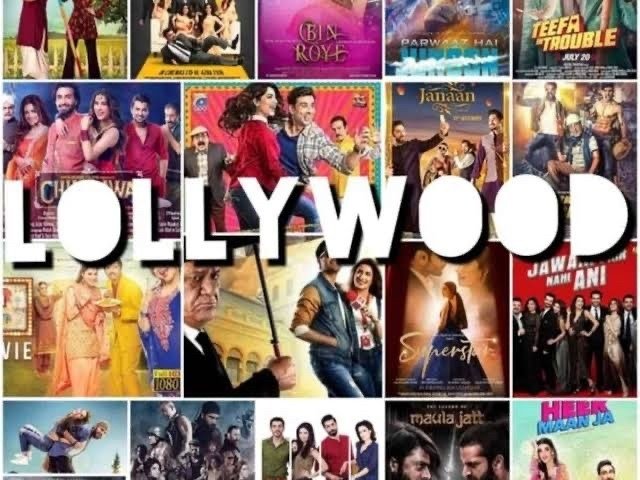

The Evolution of Pakistani Cinema: From Lollywood to Netflix
Pakistani cinema has traveled a long road — from the golden days of Lollywood to the age of digital streaming and Netflix. Once a thriving industry that faced years of decline, it is now making a comeback, fueled by passionate filmmakers, diverse stories, and modern platforms. In this article, we explore the journey of Pakistani cinema, its rise, fall, and exciting revival in the digital era.
The Golden Age of Lollywood (1950s–1970s)
After the partition of India in 1947, Pakistan quickly began building its own film identity. The term “Lollywood” was coined in the 1980s, modeled after Hollywood and Bollywood, and referred mainly to the Lahore-based film industry.
During the 1950s to 1970s, Lollywood experienced a golden era:
-
Blockbuster films like Armaan (1966), Heer Ranjha (1970), and Aina (1977) became household names.
-
Legendary actors like Waheed Murad, Zeba, and Mohammad Ali captivated audiences.
-
Music also played a key role, with timeless songs that are still celebrated today.
This era was defined by strong storytelling, musical richness, and national pride.
📉 The Decline of Pakistani Cinema (1980s–2000s)
Unfortunately, the 1980s brought a sharp decline in quality and viewership. There were several reasons:
-
Increased political censorship and lack of creative freedom.
-
The rise of pirated Indian content, which dominated screens.
-
Poor production values and repetitive, low-budget scripts.
-
Lack of investment and modern infrastructure.
By the early 2000s, most Pakistani cinemas were either shut down or turned into wedding halls and shopping malls.
🌱 The Revival of Pakistani Cinema (2010s Onward)
The turning point came in the late 2000s and early 2010s, with a wave of new directors, writers, and actors bringing fresh energy into the industry.
Notable films that marked the revival:
-
Khuda Kay Liye (2007) – Broke stereotypes and gained international recognition.
-
Bol (2011) – Tackled social issues and became a massive hit.
-
Waar (2013) – A modern action film that impressed audiences with its high production quality.
-
Cake, Laal Kabootar, Joyland – Showcased art-house storytelling and won global praise.
This new era is defined by:
-
Urban themes, social commentary, and diverse voices.
-
A focus on quality over quantity.
-
International film festival participation and awards.
📱 From Cinema Halls to Streaming: Netflix & OTT Platforms
As digital streaming gained popularity worldwide, Pakistan also adapted.
Pakistani Content on Netflix:
-
Popular dramas like Zindagi Gulzar Hai and Humsafar reached global audiences.
-
Joyland (2022), Pakistan’s first Cannes-winning film, was later released on digital platforms.
-
Documentaries and indie films began finding space on Netflix, Amazon Prime, and local platforms.
Rise of Local OTT Platforms:
-
SeePrime, Tamasha, Green TV, and Tapmad are creating original digital content.
-
Young filmmakers now produce short films, web series, and digital dramas with creative freedom.
Streaming has allowed Pakistani cinema to reach audiences far beyond borders, especially the global South Asian diaspora.
🚧 Challenges & the Road Ahead
Despite the progress, challenges remain:
-
Censorship still limits creative expression.
-
Cinema infrastructure is underdeveloped in many areas.
-
Funding and distribution are limited for indie filmmakers.
-
Global visibility is growing, but slowly.
However, the opportunities are greater than ever. With the right support, Pakistan can become a regional content powerhouse.
