


Driven by Gaza Crisis, Belgium Joins Growing Western Recognition
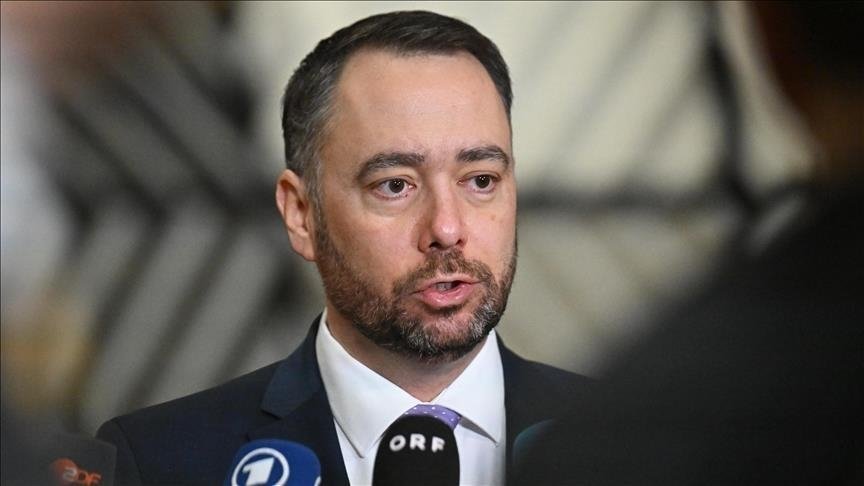
Belgium has announced that it will formally recognise the State of Palestine during the upcoming session of the United Nations General Assembly in New York, scheduled from September 9 to 23. The announcement was made by Belgian Foreign Minister Maxime Prevot on Tuesday, who cited the ongoing humanitarian catastrophe in Gaza as a major factor behind the decision.
Taking to X (formerly Twitter), Prevot declared, “Palestine will be recognised by Belgium at the UN session! And firm sanctions are being imposed against the Israeli government.” This bold diplomatic move aligns Belgium with several other Western nations, including France, whose President Emmanuel Macron announced a similar intention earlier in July.
Humanitarian Concerns and Political Pressure
Prevot stressed that the decision comes in light of the worsening situation in Gaza, where continuous Israeli military operations have led to mass displacement and a looming famine, as declared by the United Nations. He noted that the recognition is not aimed at punishing the Israeli population but at pressuring the Israeli government to adhere to international law and humanitarian standards.
“This is not about punishing the Israeli people,” Prevot said. “It’s about ensuring that its government respects international and humanitarian law, and taking action to try to change the situation on the ground.”
In addition to recognition, Belgium is also planning to implement sanctions on Israeli goods produced in the occupied Palestinian territories, marking a significant shift in its policy stance towards the conflict.
Regional Momentum Builds for Palestinian Statehood
Belgium’s move follows a growing trend among European countries to support Palestinian statehood amid increasing global condemnation of Israeli actions in Gaza. Over a dozen Western countries have called for similar recognition efforts in recent months, driven by the worsening humanitarian conditions and stalled peace processes.
As the UN General Assembly approaches, the international spotlight will now focus on how many more nations follow suit in recognising Palestine, and whether such diplomatic gestures can translate into meaningful political change.
