

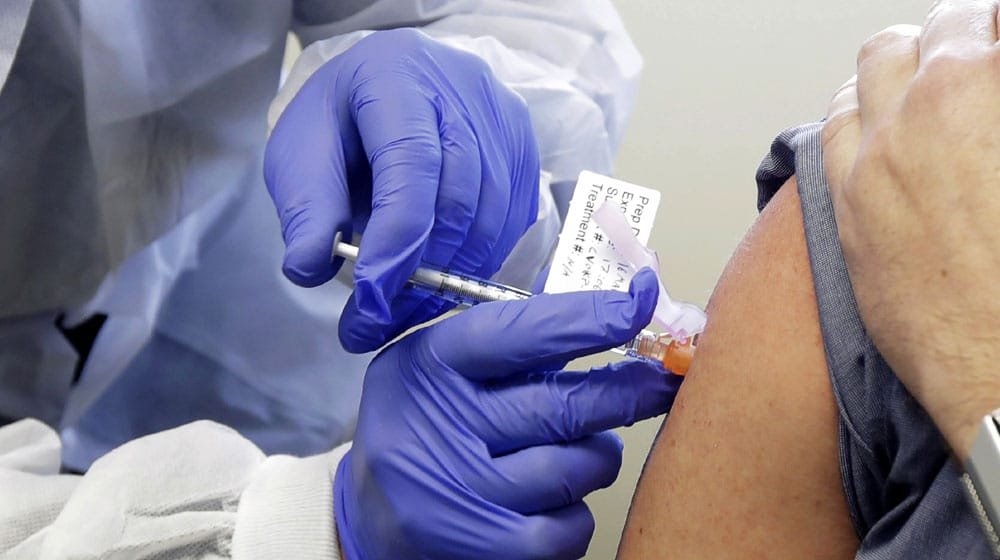

Pakistan is gearing up to launch its first-ever national HPV vaccination campaign, scheduled from September 15 to 27, in what is being hailed as a landmark step toward preventing cervical cancer — currently the second most common cancer among women in the country.
The initiative will target nearly 13 million girls between the ages of 9 and 14 across Punjab, Sindh, Islamabad, and Azad Jammu and Kashmir. The campaign will administer a single-dose HPV vaccine, which health experts confirm provides lifelong protection against the virus responsible for most cervical cancer cases.
The drive is being spearheaded by the DOPASI Foundation in collaboration with FDI and with support from Gavi, The Vaccine Alliance. A strategic workshop held in Islamabad brought together medical professionals, government representatives, and civil society leaders, who collectively pledged their support for building a “cervical cancer-free Pakistan.”
Dr Farhaj Uddin, Programme Manager for the HPV campaign at the DOPASI Foundation, emphasised the importance of advocacy and community mobilisation. “Our goal is to reach every eligible girl while addressing myths and misconceptions. Public confidence is crucial to the success of this campaign,” he explained.
Highlighting the central role of medical professionals, Dr Khurram Shahzad, Director Technical at FDI, noted that people place the greatest trust in doctors regarding vaccine safety. “Their voice is the most powerful tool to counter misinformation,” he remarked.
Similarly, Dr Irshad Ali Jokhio, Director General of Health Services CDA, confirmed that the HPV vaccine will be integrated into Pakistan’s routine immunisation programme.
Dr Rozeena Khalid of the World Health Organization warned that cervical cancer is now claiming more lives among Pakistani women annually than breast cancer. She underlined that vaccinating girls before the age of 15 is the only way to reduce this preventable disease in the long term.
The campaign is ambitious, with Pakistan aiming to vaccinate 18 million girls over the next three years. Experts agreed that such a target requires robust engagement from both healthcare providers and civil society. Praising the DOPASI Foundation’s leadership, participants acknowledged its efforts in raising awareness and mobilising communities.
Closing the session, Dr Bilal Arshad, CEO of Ali Medical Hospital, underlined the decisive role of doctors. “Their advocacy will determine whether Pakistan achieves its vaccination goals and saves millions of lives,” he said.
With this milestone campaign, Pakistan is set to join 149 countries worldwide that have already introduced the HPV vaccine into their national immunisation programmes.

1 Comment
Why not in provinces of Khyber Pakhtunkhwa and Balochistan ?