

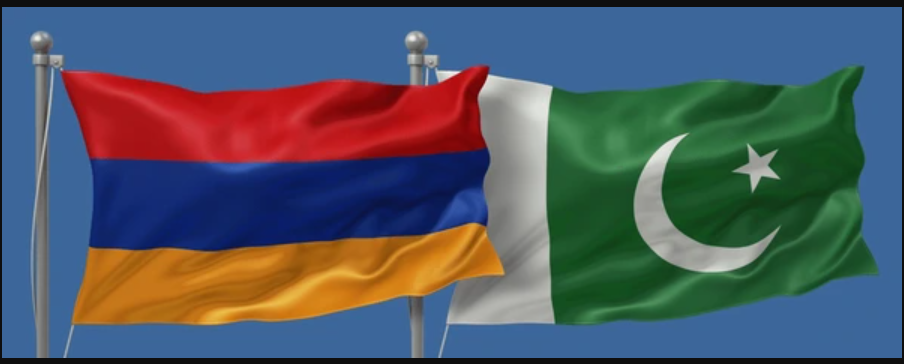

Pakistan has taken a significant step in its foreign policy by agreeing to consider establishing diplomatic relations with Armenia. The announcement was made by Deputy Prime Minister and Foreign Minister Ishaq Dar after a recent phone conversation with Armenian Foreign Minister Ararat Mirzoyan. Both leaders expressed willingness to move forward and explore the possibility of formal engagement between the two states.
Until now, Pakistan and Armenia have not shared official diplomatic ties. Relations between the two nations have historically been shaped by the longstanding Armenia-Azerbaijan conflict. Pakistan has traditionally supported Azerbaijan, especially during the Nagorno-Karabakh dispute. This alignment has prevented any substantial engagement with Armenia in the past.
However, the regional landscape is changing. Earlier this month, Armenia and Azerbaijan reached a peace agreement at a summit hosted in Washington. The deal was widely welcomed as a breakthrough for regional stability. Prime Minister Shehbaz Sharif praised the peace efforts and congratulated both nations on moving towards a more peaceful future. He reiterated Pakistan’s continued support for Azerbaijan while recognizing the importance of stability across the region.
The development has opened new possibilities for Pakistan’s foreign relations. By agreeing to consider ties with Armenia, Islamabad is signaling a more balanced approach in the South Caucasus. While Pakistan has deep historical and strategic relations with Azerbaijan, engaging with Armenia could provide opportunities for greater regional cooperation. It may also create space for Pakistan to expand its diplomatic outreach beyond traditional alignments.
Analysts view this move as part of Pakistan’s broader strategy to diversify its international relations. Building ties with Armenia could improve Pakistan’s standing in multilateral forums and strengthen its role as a supporter of peace. Moreover, diplomatic engagement with both Armenia and Azerbaijan could allow Pakistan to serve as a bridge for dialogue in the region.
Despite this positive signal, challenges remain. Historical grievances and strategic loyalties may complicate the pace of any progress. Pakistan will need to carefully balance its support for Azerbaijan while cautiously engaging with Armenia. Still, the willingness to even consider diplomatic relations marks a notable shift in Islamabad’s approach.
The timing of this announcement also highlights Pakistan’s interest in aligning with global efforts for peace in the South Caucasus. Establishing ties with Armenia would not only enhance regional stability but also open doors for economic and cultural exchanges in the long run.
In conclusion, Pakistan’s readiness to consider diplomatic relations with Armenia is a step towards broader engagement and regional cooperation. While the journey ahead may be gradual, it reflects Islamabad’s evolving foreign policy vision and its recognition of changing global realities.
