


India Raises Alarm Over Chinese Dam
India fears China’s planned mega-dam in Tibet could cut water flow by nearly 85% during dry months. The project, announced in December, will be the world’s largest hydropower dam. Its location on the Yarlung Zangbo, which becomes the Siang and Brahmaputra in India, has intensified Delhi’s concerns.
Strategic Concerns and Indian Response
Officials believe Beijing could weaponize water control, worsening regional tensions. In response, India is fast-tracking the Upper Siang Multipurpose Storage Dam, set to be its largest dam. The project would provide a 14 BCM storage capacity to counter Chinese diversions and manage floods.
Government Push and Security Measures
Prime Minister Narendra Modi’s office held high-level meetings this year to accelerate construction. Survey materials have already been moved under armed protection. Delhi estimates China’s dam could divert over 40 BCM annually, affecting millions downstream in India and Bangladesh.
Local Resistance in Arunachal Pradesh
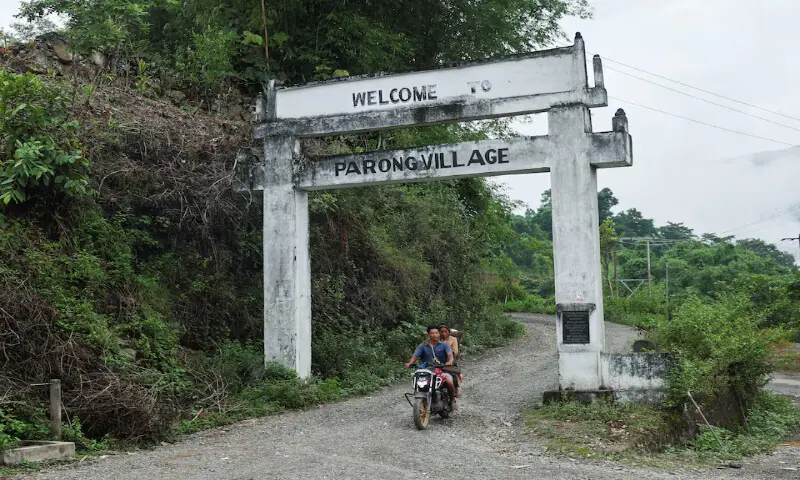
Villagers in Arunachal Pradesh fiercely oppose the dam. Many belong to the Adi community, reliant on farming for survival. Protests turned violent in May, with locals destroying survey equipment and blocking access roads. At least 16 villages face submersion, directly affecting 10,000 people. Broader impacts could reach over 100,000 residents.
Political Support and Compensation Plans
Despite opposition, Arunachal’s chief minister, aligned with Modi’s party, supports the project, calling China’s dam an “existential threat.” Officials propose generous compensation, emergency infrastructure, and education funds worth $3 million to relocate families. Some villages have recently allowed NHPC workers limited access, signaling progress.
Risks and International Concerns
Experts warn of seismic risks and extreme weather in Tibet and Arunachal, raising dam safety concerns. Any sudden Chinese water release during construction could devastate Indian temporary structures. Still, Delhi views the dam as vital for water security, flood moderation, and regional stability.
