

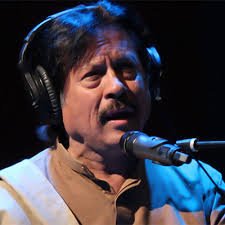

Attaullah Khan Esakhelvi, the iconic singer celebrated as the unmatched legend of Saraiki and Punjabi music, has turned 74. Loved by millions and fondly called Lala by his admirers, his deeply soulful and melodious voice continues to capture hearts across generations. Over the course of his remarkable career, he has recorded more than 50,000 songs in seven different languages, a feat that not only immortalized him in Pakistan’s music history but also earned him global recognition.
Born on August 19, 1951, in Esakhel, Punjab, Attaullah displayed a passion for music from an early age. However, his journey was not without struggle. Facing disapproval from his father, he left home in pursuit of his dream. These hardships, rather than breaking him, strengthened his resolve and shaped his legendary career.
His formal journey began in 1972 at Radio Pakistan Bahawalpur, where his mesmerizing voice quickly made an impression. Within a year, he rose to national prominence through his appearances on Pakistan Television’s famous show Neelam Ghar and through electrifying performances in his hometown, Mianwali.
A milestone moment came in Faisalabad in 1977 when he recorded four folk albums in a single sitting. These albums spread like wildfire, resonating everywhere—from small village gatherings and busy markets to highways where truck drivers carried his songs with pride.
Among his countless hits, “Ai Thewa Mandri Da Thewa” brought him immense popularity, while the hauntingly beautiful “Chan Kithan Guzari Aayi Raat Way” made him a household name, securing his place as one of Pakistan’s most beloved artists.
His extraordinary output earned him a place in the Guinness Book of World Records in 1994, while the Government of Pakistan had already acknowledged his contribution with the prestigious Pride of Performance Award in 1991.
From the fields of rural Punjab to the grand stages of international concerts, Attaullah Khan Esakhelvi has remained the voice of the people. At 74, his songs still echo in the hearts of millions, reminding Pakistan of its rich cultural heritage and the timeless power of folk music. Truly, Attaullah stands as a living legend whose melodies will never fade.
