

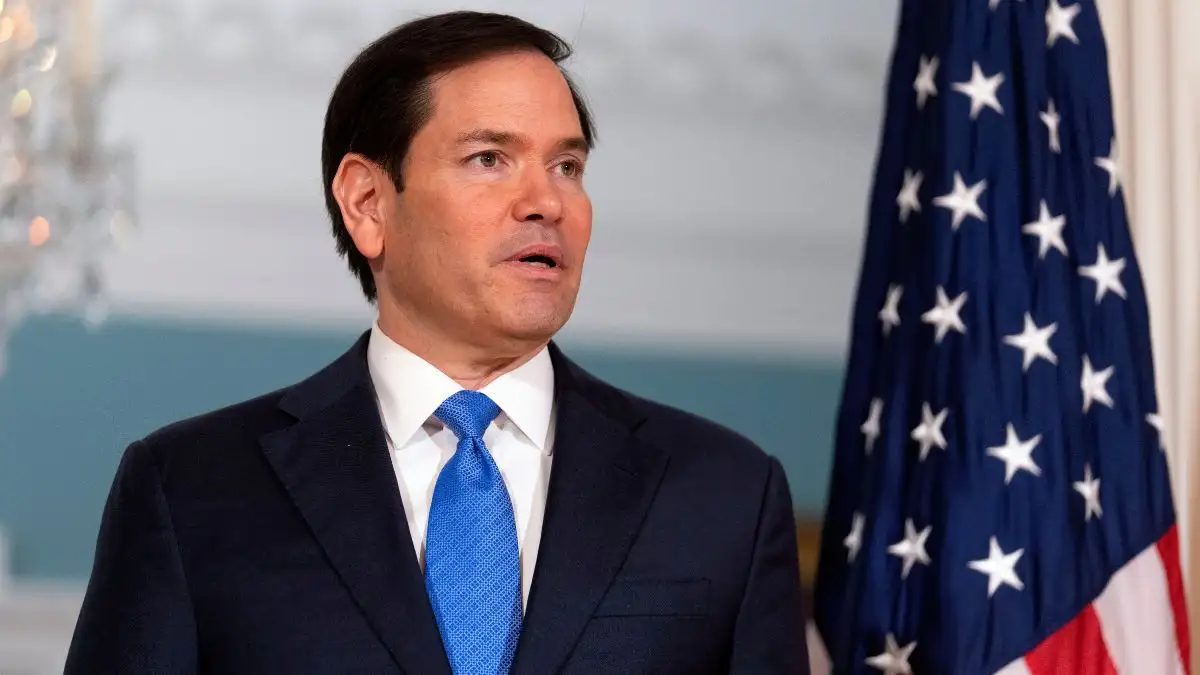

U.S. Secretary of State Marco Rubio has emphasized that Washington is keeping a vigilant watch on developments between Pakistan and India, even in the aftermath of the recently brokered ceasefire that temporarily halted hostilities. Rubio underlined that while the guns may have fallen silent for now, the fragile nature of truce agreements means that tensions between the two nuclear-armed neighbors remain a cause for international concern.
Speaking during an interview on Sunday, Rubio remarked that the United States constantly monitors hotspots across the globe where ceasefire arrangements are in place. “Every single day we keep an eye on what’s happening between Pakistan and India, what’s happening between Cambodia and Thailand.
Ceasefires can fall apart very quickly, especially after a three-and-a-half-year [Russia-Ukraine] war like what we’re facing now,” he said. He further explained that although Washington continues to advocate for temporary halts in fighting, genuine peace can only emerge through comprehensive negotiations that address underlying political disputes rather than short-term pauses in violence.
Rubio’s comments come in the aftermath of one of the most dangerous escalations in South Asia in recent years. On May 7, India launched a series of airstrikes under the banner of “Operation Sindoor,” targeting areas inside Pakistan. Islamabad condemned the strikes as blatant aggression and responded with a swift military operation of its own, codenamed “Operation Bunyan-um-Marsoos.”
During the operation, Pakistani forces struck multiple Indian military installations, shot down six fighter jets — including three Rafale aircraft — and neutralized dozens of Indian drones. The exchange of hostilities, which lasted nearly 87 hours, pushed the two nations to the brink of all-out war before the United States intervened diplomatically.
President Donald Trump personally stepped in to broker the ceasefire, later announcing the truce on social media. Islamabad publicly welcomed Trump’s mediation and even went so far as to recommend him for the 2026 Nobel Peace Prize in recognition of his efforts. New Delhi, however, sought to minimize Washington’s involvement, portraying the ceasefire as an outcome of its own diplomatic maneuvering.
Despite the truce, reports suggest that India has quietly initiated “Operation Mahadev,” a covert strategy aimed at staging fake encounters and presenting detained Pakistanis as cross-border militants. Security officials believe the move is designed both to mask India’s military setbacks during the confrontation and to further suppress the ongoing Kashmiri freedom struggle.
These revelations underscore the fragility of the ceasefire and highlight why Washington, according to Rubio, continues to keep a close eye on developments in South Asia.
