

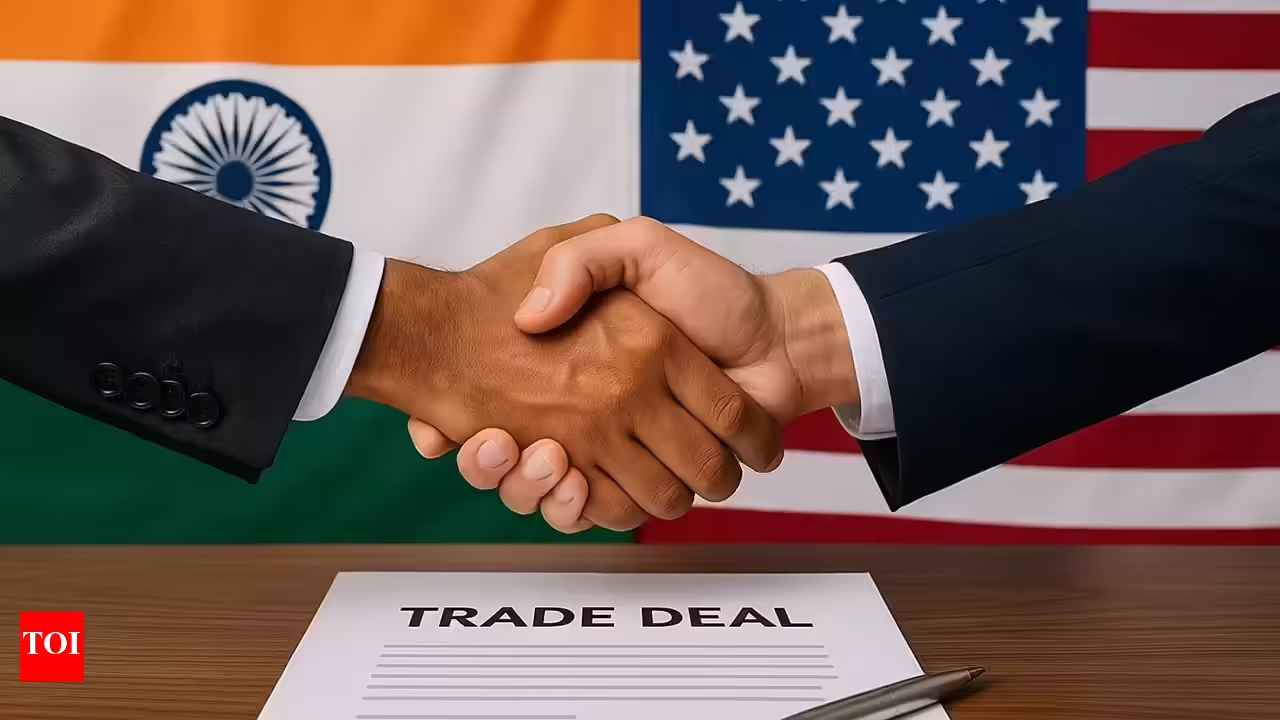

A planned visit by U.S. trade negotiators to New Delhi, originally scheduled for August 25-29, has been called off, sources with knowledge of the matter confirmed. The cancellation delays discussions on a proposed bilateral trade agreement between the United States and India, undermining hopes of relief from additional U.S. tariffs on Indian goods, which were set to take effect from August 27.
The latest round of negotiations, aimed at resolving long-standing trade disagreements, is now likely to be deferred to a future date that has yet to be announced. The U.S. embassy in New Delhi stated that it has no further information regarding the trade and tariff discussions, which are being managed by the Office of the United States Trade Representative (USTR). Meanwhile, India’s trade ministry did not immediately respond to inquiries seeking comments on the postponement.
Earlier this month, U.S. President Donald Trump announced the imposition of an additional 25% tariff on Indian goods, citing India’s ongoing imports of Russian oil. This move escalated trade tensions between the two countries, as the new import duties, set to take effect from August 27, could raise tariffs on certain Indian exports to as high as 50%, among the highest levied on any U.S. trading partner.
Previous negotiations between New Delhi and Washington had collapsed after five rounds of talks, with disagreements primarily over opening India’s extensive farm and dairy sectors to U.S. imports and ceasing purchases of Russian oil.
India’s Foreign Ministry has maintained that the country is being unfairly singled out for continuing to buy Russian oil, while the United States and the European Union continue to import similar goods from Russia.
The postponement of the August trade talks adds uncertainty to the bilateral economic relationship and delays potential resolutions to escalating trade disputes.
Both countries will need to determine a new timeline for resuming negotiations and addressing outstanding issues, including tariffs, market access, and compliance with international trade norms. Until then, Indian exporters may face continued economic pressure due to the increased U.S. duties.
