

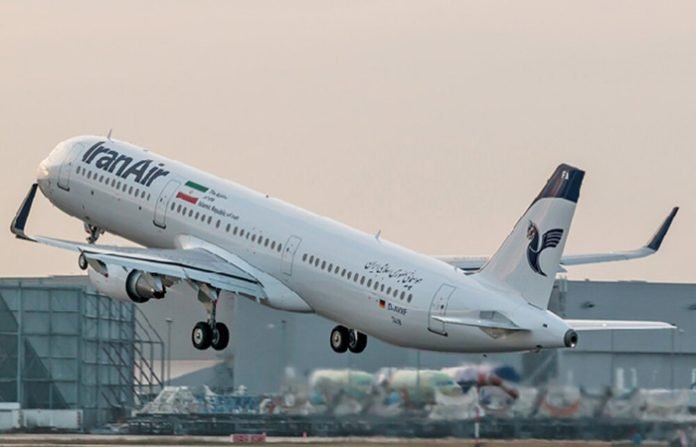

In a significant development aimed at enhancing regional connectivity, Iran Air has launched its first-ever direct flight linking Quetta (Pakistan) with Zahedan and Mashhad (Iran). The new air route, inaugurated this week, marks the beginning of a scheduled commercial service between the three culturally and historically significant cities. This direct connection is expected to bolster bilateral ties, ease travel for pilgrims, and promote economic and tourism opportunities across the borders.
The maiden flight successfully landed at Quetta International Airport on Friday, where a formal ceremony was held to commemorate the occasion. Initially, Iran Air will operate one weekly flight on the Quetta-Zahedan-Mashhad route. The schedule may expand depending on the demand and success of the initial operations.
Pakistan’s Ambassador to Iran, Mohammad Mudassir Tipu, warmly welcomed the launch of the new air service, stating it fulfills a long-standing request from the people of the region. “I am absolutely delighted that Iran Air has started direct Quetta-Zahedan-Mashhad flights, linking three historic cities with enormous potential,” he remarked. “These new operations will boost business, tourism, and people-to-people ties. Given the depth of our geography and economic needs, we will continue to expand air connectivity between Pakistan and Iran,” the ambassador added.
Improved Air Connectivity Amid Travel Restrictions for Pilgrims
The launch of this air route comes at a time when overland travel to Iran and Iraq has been restricted for Pakistani pilgrims. Last month, Pakistan’s Interior Minister, Mohsin Naqvi, announced that Pakistani citizens would not be permitted to travel by road for this year’s Arbaeen pilgrimage due to heightened security concerns. The decision followed extensive consultations with the Ministry of Foreign Affairs, the Balochistan government, and security agencies.
This air connection, therefore, also serves as a potential alternative for religious travelers during times of land route restrictions. It underscores a growing commitment to strengthening bilateral cooperation and offering safe, reliable transportation options between the two neighboring countries.
