


Iran has issued a strong warning against the creation of a proposed transport corridor under a regional peace agreement backed by the United States. The route, known as the Trump Route for International Peace and Prosperity (TRIPP), is designed to connect Azerbaijan to its Nakhchivan exclave through southern Armenia, ultimately linking it with Turkey.
The plan grants the US exclusive development rights to the corridor, with Washington claiming it will enhance exports of energy and other resources. However, Iran’s leadership has expressed concerns about its geopolitical implications and proximity to Iranian borders.
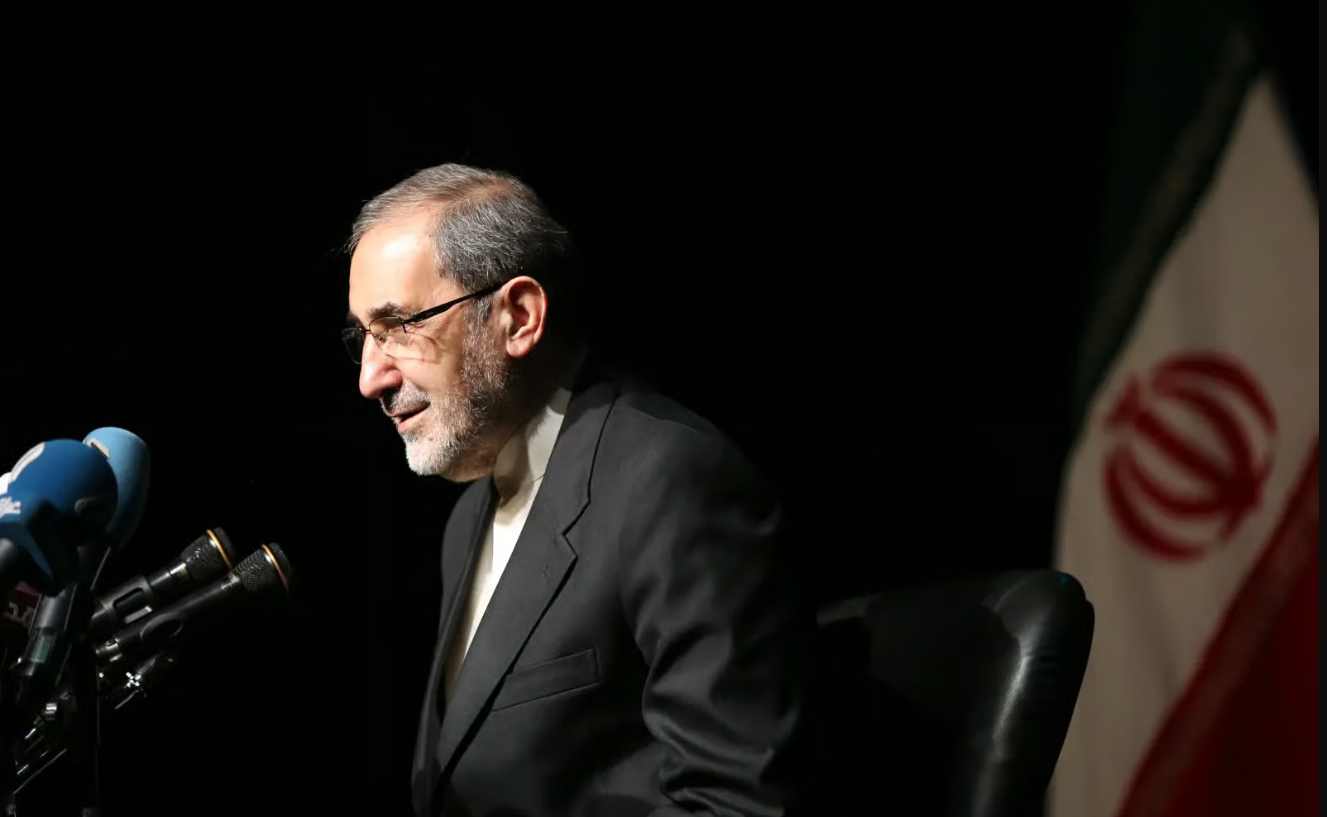
Ali Akbar Velayati, senior adviser to Iran’s Supreme Leader, declared that the corridor “will not become a passage owned by Trump, but rather a graveyard for his mercenaries.” He pointed to recent military drills in northwest Iran as a sign of the country’s readiness to prevent any changes to regional borders.
Mixed Signals from Tehran
While Iran’s foreign ministry initially described the peace agreement as a positive step toward lasting stability in the South Caucasus, it warned against any foreign intervention near its borders that could destabilize the region. Analysts believe Iran’s ability to block the corridor militarily is limited, given its ongoing tensions with the US and recent military clashes with Israel.
Background of the Peace Agreement
The peace initiative was formalized during a meeting between Azerbaijani President Ilham Aliyev and Armenian Prime Minister Nikol Pashinyan in Washington. The agreement aims to resolve decades of conflict between the two nations, particularly over Nagorno-Karabakh.
Azerbaijan regained full control of the disputed territory in 2023, prompting the exodus of nearly all ethnic Armenians from the area. The proposed corridor is intended to foster trade, transport connectivity, and regional cooperation.
Russia’s Exclusion and Regional Reactions
Russia, a long-standing mediator in the South Caucasus and Armenia’s traditional ally, was notably absent from the US-brokered talks. While expressing general support for peace efforts, Moscow emphasized that solutions should be developed by regional states with support from immediate neighbors, including Russia, Iran, and Turkey, to avoid what it termed the “failures” of previous Western mediation in the Middle East.
Turkey, a close ally of Azerbaijan, welcomed the agreement, highlighting its potential to transform regional trade and infrastructure.
Remaining Obstacles to a Final Deal
According to Azerbaijani officials, the only remaining hurdle to a final peace agreement is Armenia’s constitutional reference to Nagorno-Karabakh. Baku has demanded that Yerevan remove this territorial claim before signing a comprehensive treaty.
Prime Minister Pashinyan has called for a referendum to amend the constitution, though no date has been set. Armenia’s parliamentary elections in June 2026 are expected to influence the timing of constitutional changes.
Azerbaijan’s ambassador has stated that the corridor and related rail links will depend on cooperation between the US and Armenia, with discussions already underway.
Unresolved Questions and Potential Challenges
Experts caution that while the peace agreement marks progress, critical operational details remain unclear. Key issues include how customs and security will be managed along the corridor, as well as the nature of Armenia’s reciprocal access to Azerbaijani territory.
These uncertainties, along with Armenia’s pending constitutional reforms, could pose significant challenges to fully implementing the agreement.
Despite these complexities, Azerbaijan maintains that the corridor represents a “paradigm shift” in regional relations and insists that its benefits will be open to all willing participants.
