


Indian Prime Minister Narendra Modi is set to visit China for the first time in over seven years, signaling a notable diplomatic shift as New Delhi seeks to recalibrate its foreign policy amid growing tensions with the United States.
According to a senior government source, Modi will travel to the Chinese city of Tianjin to attend the Shanghai Cooperation Organisation (SCO) summit, scheduled to begin on August 31. While the Ministry of External Affairs has yet to issue an official statement, the source confirmed that preparations for the trip are already underway.
This visit comes at a time when India’s relationship with Washington has entered one of its most strained phases in recent years. President Donald Trump recently imposed a steep 50% tariff on goods imported from India—one of the highest among Asian countries—and has warned of an additional 10% penalty over India’s continued purchase of Russian crude oil. These actions have cast a shadow over bilateral ties and have forced India to reassess its strategic alignments.
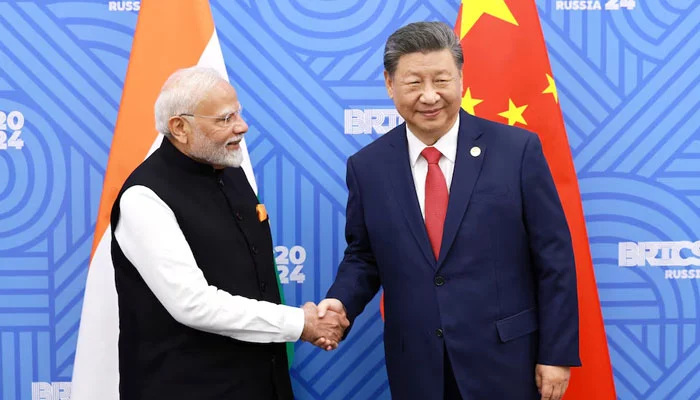
Modi’s last visit to China was in June 2018. Since then, bilateral relations between the two Asian giants suffered a significant downturn following the 2020 border clash in the Galwan Valley. However, recent interactions between the two sides, including a meeting between Modi and Chinese President Xi Jinping on the sidelines of the BRICS summit in Russia last October, have contributed to a slow thaw in relations. The upcoming SCO summit could serve as a pivotal moment to further stabilize and possibly reset India-China ties.
Meanwhile, Indian National Security Adviser Ajit Doval is currently in Russia, where he is expected to discuss not only energy cooperation but also defense-related matters.
These include securing expedited delivery of Russia’s S-400 missile defense systems and potentially paving the way for a visit by Russian President Vladimir Putin to India. Indian Foreign Minister Subrahmanyam Jaishankar is also expected to visit Russia in the coming weeks, highlighting India’s growing diplomatic outreach to Moscow at a time of geopolitical flux.
From the U.S. perspective, President Trump has expressed concern over BRICS nations—India included—adopting what he terms “anti-American policies.” He has threatened additional tariffs on BRICS exports to the U.S., linking these penalties to unresolved geopolitical issues, including the ongoing war in Ukraine.
Trump’s top envoy, Steve Witkoff, is currently in Moscow, attempting to broker a last-minute peace deal before the president’s imposed deadline for Russia to accept ceasefire terms or face new sanctions.
Internally, the Indian government has conducted a preliminary assessment of the potential economic fallout from Trump’s tariff regime. According to four officials who spoke to Reuters, the assessment suggests that India could lose a significant pricing edge in its $64 billion worth of exports to the U.S., particularly in sectors facing increased competition from countries not subject to such high duties.
In 2024, India’s exports to the U.S. were estimated at $81 billion, representing nearly 2% of the country’s GDP. Globally, India’s total exports stood at $443 billion last year.
Despite these pressures, the Reserve Bank of India on Wednesday maintained its GDP growth forecast for the 2024–25 financial year at 6.5% and kept interest rates steady, signaling confidence in the economy’s underlying resilience.
While the long-term implications of Modi’s visit to China remain to be seen, it clearly reflects New Delhi’s strategic balancing act amid shifting global alliances and escalating trade frictions.
