

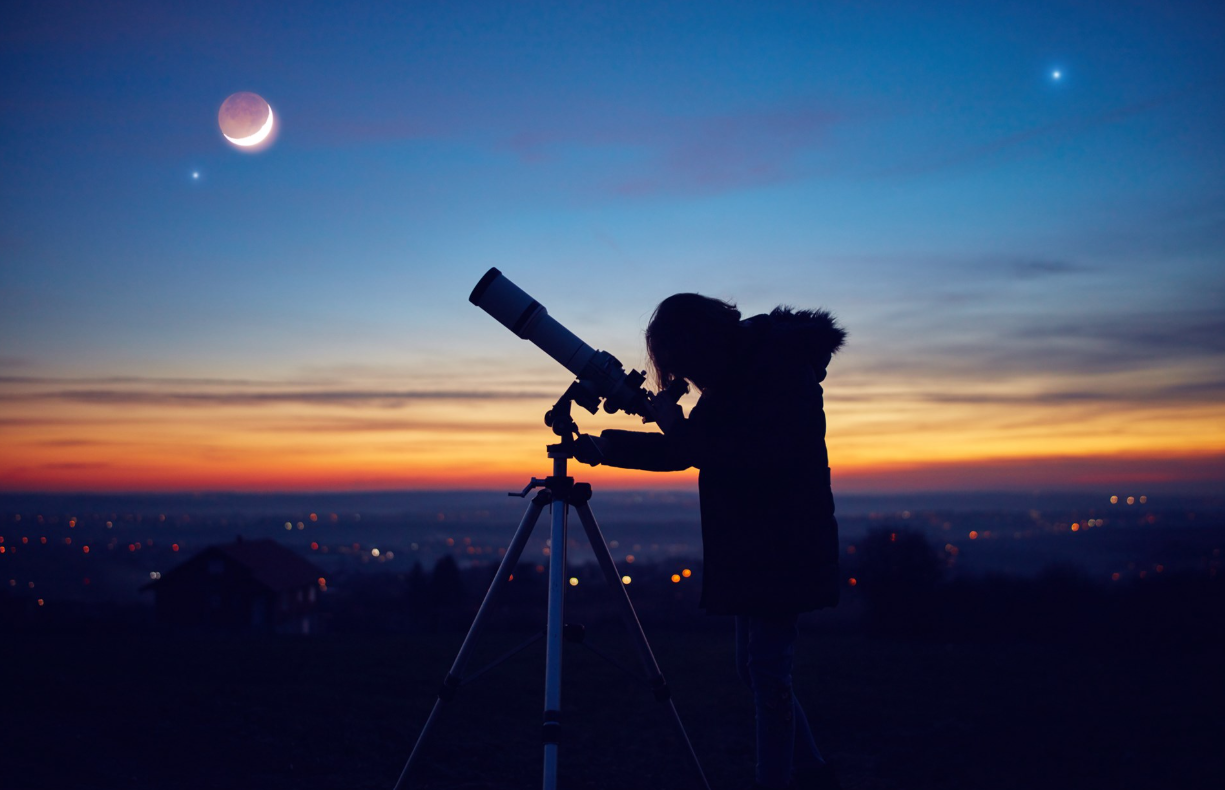

August promises a stunning lineup of celestial events, offering skywatchers multiple opportunities to gaze at nature’s cosmic wonders. This month’s night skies will feature the radiant Full Sturgeon Moon, a close planetary conjunction between Jupiter and Venus, and the peak of the dazzling Perseid meteor shower — one of the most awaited astronomical displays of the year.
The show begins with the Full Sturgeon Moon, set to reach peak brightness at 3:55 a.m. Eastern Daylight Time (EDT) on August 9. However, its luminous presence will be visible for several nights around this date. Named by Native American tribes and adopted during colonial times, the “Sturgeon Moon” refers to the season when the giant freshwater sturgeon was most abundant in lakes and rivers across North America. This full moon marks the eighth of the year, with no Blue Moon expected in August 2025, unlike some previous years. A Blue Moon, either the second full moon in a calendar month or the third in a season with four full moons, won’t grace the skies again until May 2026.
Shortly after the full moon, early risers will be treated to another rare event: a stunning planetary conjunction featuring Jupiter and Venus. On the morning of August 12, these two brilliant planets will appear to almost touch in the predawn sky. The optimal time for viewing is after 4 a.m. EDT, provided there’s a clear view of the eastern horizon. Although no special equipment is required, binoculars or a telescope can offer an even more breathtaking experience of this celestial alignment.
But the highlight of the month for many sky enthusiasts is the Perseid meteor shower, known for its intense and consistent display. This meteor shower peaks during the night of August 11 into the early hours of August 12. Originating from debris left behind by Comet Swift-Tuttle, the Perseids are famous for producing up to 100 meteors per hour under ideal conditions. These meteors streak across the sky at high speeds, often leaving bright trails and, occasionally, dramatic fireballs that make the experience even more captivating.
Observers in North America and other regions with minimal light pollution can expect the shower to begin around 10 p.m. local time and continue into the pre-dawn hours. As with all meteor showers, the darker and clearer the skies, the better the viewing experience will be. Rural areas and open fields away from city lights offer the best vantage points.
Whether you’re an avid stargazer or a casual skywatcher, August offers a remarkable sequence of celestial phenomena. From the full moon’s silver glow to the spectacular dance of planets and the fiery streaks of meteors, this month is packed with reasons to look up and admire the universe’s natural grandeur.
