


Despite circulating rumors, the world will not be plunged into darkness this weekend. Speculation about a major total solar eclipse occurring imminently has spread across social media, but the so-called “eclipse of the century” is still two years away.
The highly anticipated event is set to take place on August 2, 2027, and it is expected to be one of the longest total solar eclipses in recent decades.
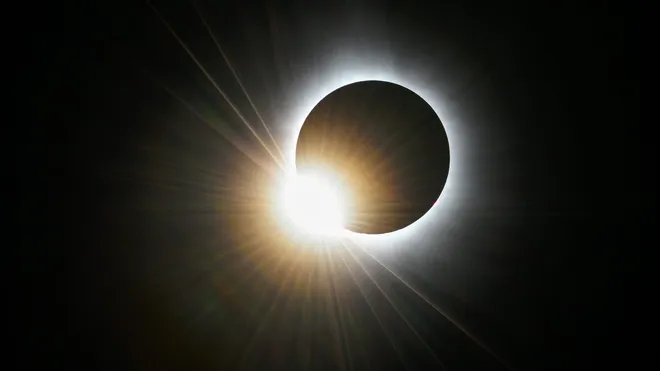
According to NASA, the eclipse will last up to 6 minutes and 23 seconds at its peak, as the moon moves precisely between the Earth and the sun, casting a shadow over a narrow stretch of the planet’s surface. This phenomenon, known as a total solar eclipse, allows observers within the path of totality to witness the dramatic darkening of the sky in broad daylight.
To put this upcoming eclipse in perspective, the total solar eclipse that occurred on April 8, 2024, lasted for a maximum of 4 minutes and 28 seconds. The 2027 event will surpass that in duration, though it won’t break the modern record.
The solar eclipse of July 11, 1991, remains the longest in recent history, lasting an impressive 6 minutes and 53 seconds. In fact, the August 2027 eclipse will be the longest total solar eclipse until the year 2114, according to Space.com.
The path of totality for the August 2, 2027 eclipse will stretch across parts of Africa, Europe, and the Middle East. Countries that will experience total darkness during the eclipse include Spain, Morocco, Algeria, Tunisia, Libya, Sudan, Egypt, Saudi Arabia, Yemen, Somalia, and Gibraltar. Several other nations in the surrounding regions will be able to witness a partial eclipse.
For viewers in the United States, the viewing opportunities will be extremely limited. A small portion of Maine will see a partial eclipse during the early morning hours—specifically between 5:14 and 5:19 a.m. Eastern Time—according to Time and Date. Most of the U.S., however, will miss out on this celestial event entirely.
Interestingly, the August 2027 eclipse is not the next total solar eclipse on the calendar. A separate total eclipse is scheduled to occur on August 12, 2026. That event will be visible in Greenland, Iceland, Spain, Russia, and parts of Portugal.
In short, while the August 2027 solar eclipse is shaping up to be a truly spectacular event, there’s no need for panic or misinformation. Skywatchers in the affected regions are encouraged to mark their calendars and prepare for a rare astronomical show—but not this weekend.
