

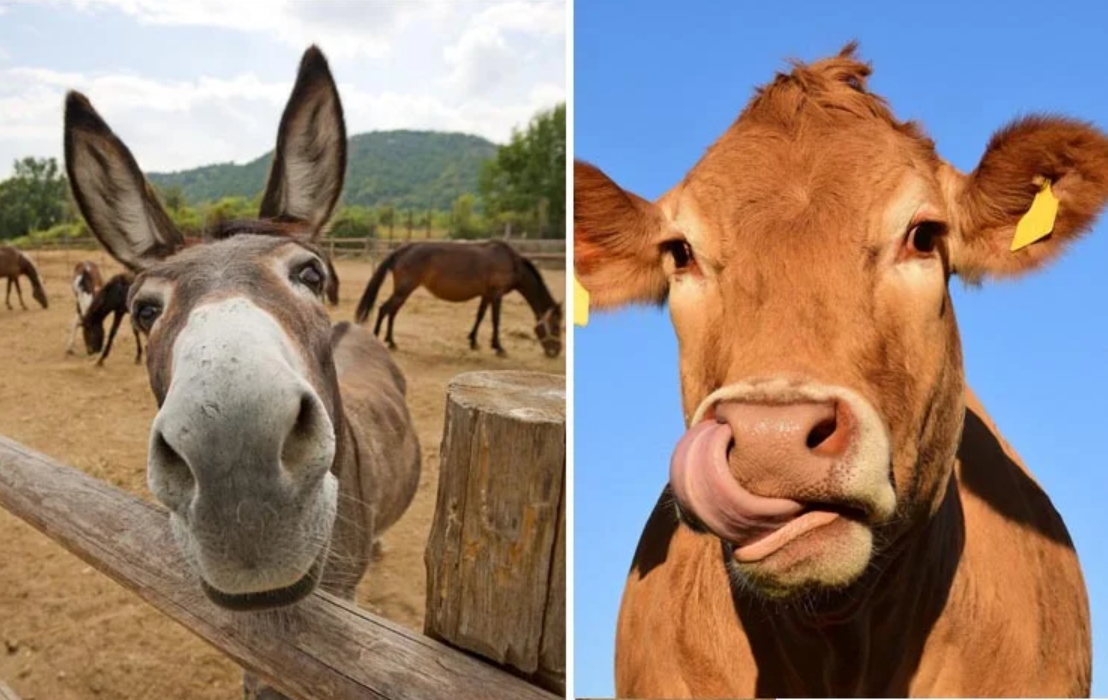

On the outskirts of Pakistan’s capital, authorities recently uncovered an illegal slaughterhouse that was processing donkey meat, recovering over 1,000 kilograms of it and more than 50 slaughtered donkeys. This shocking incident has reignited national concern over food safety and the illegal meat trade. More critically, it raises serious religious and ethical questions for consumers, as donkey meat is considered haram (forbidden) in Islam.
In Pakistan, where meat is a major part of daily meals, the possibility of being unknowingly served donkey meat is both disturbing and dangerous. This guide outlines key identification tips and explains why this issue needs urgent public awareness.
Why Selling Donkey Meat Is a Serious Issue
Although some countries regulate and consume donkey meat, Pakistan does not allow it for human consumption. Selling or serving it is both illegal and unethical. The implications are multifaceted:
- Religiously Forbidden (Haram): Donkey meat is strictly prohibited in Islam, making it unacceptable for the majority Muslim population.
- Health Hazards: Illegally slaughtered meat often bypasses veterinary checks, which increases the risk of contamination and disease transmission.
- Consumer Deception: Donkey meat is frequently passed off as beef, especially at small eateries or meat shops with little oversight.
How to Tell the Difference Between Donkey Meat and Beef
Consumers can protect themselves by learning to distinguish between halal beef and donkey meat. Based on expert insights, here are key indicators to look out for:
1. Color of the Meat
- Beef: Fresh, halal beef has a bright cherry-red color.
- Donkey Meat: Tends to be a much darker red and may carry a bluish or purplish hue.
This difference in color is often visible to the naked eye if you know what to look for.
2. Smell After Cooking
Cooked donkey meat has a noticeably strong and off-putting odor that is different from the savory, rich aroma of beef. If your meal smells unusual or overly pungent, it’s worth questioning its source.
3. Scientific Testing (For Businesses and Authorities)
When there’s any doubt, scientific tests can confirm the type of meat:
- ELISA Test: Identifies species-specific proteins in the meat.
- PCR Test: Uses DNA analysis to determine the exact animal source.
These tests are typically conducted in food laboratories and can be requested by regulatory bodies or business owners for verification.
What Consumers Can Do to Stay Safe
To protect yourself and your family, it’s essential to be vigilant:
– Buy from Trusted Butchers
Only purchase meat from licensed and well-known butcher shops or stores. Avoid vendors offering beef at suspiciously low prices, especially in unregulated markets.
– Be Selective When Eating Out
Choose restaurants and food vendors that are known for maintaining hygiene standards and transparency in sourcing. Cheap beef dishes at small roadside eateries should raise a red flag.
– Demand Accountability
Call for greater transparency from local food authorities. Encourage regular inspections and demand that violators are publicly identified and penalized.
With growing cases of meat fraud, including the sale of donkey meat, it’s crucial for Pakistani consumers to stay informed and cautious. Understanding how to visually and olfactorily identify potentially illegal meat can help prevent not only religious violations but also serious health risks.
By supporting stricter inspections and choosing only verified sources for meat, consumers can play a vital role in curbing this unethical practice.

1 Comment
This is such an important topic, and more people need to be aware of it. There should be more articles and resources like this, especially for the general public who may not know much about it. Very well written, keep it up.