

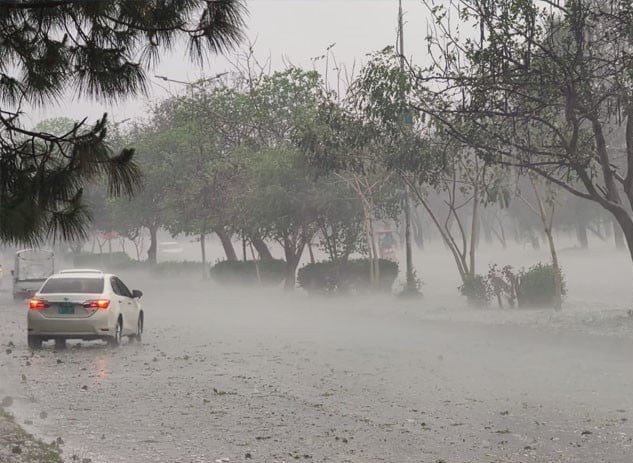

As heavy monsoon rains continue to batter Pakistan, the National Disaster Management Authority (NDMA) has confirmed that the nationwide death toll has risen to 279, with eight more fatalities reported in the last 24 hours. The latest monsoon spell, which began on June 28, has also resulted in 676 injuries and the destruction of over 1,500 homes across the country.
Punjab remains the epicentre of the crisis, recording 151 deaths and 536 injuries to date. In the past 24 hours alone, the province reported six fatalities and 21 injuries, as both urban and rural areas continue to face severe flooding. With another round of rainfall expected through July 31, conditions in the province are projected to worsen.
Other affected regions include Khyber Pakhtunkhwa (64 deaths), Sindh (25 deaths), Balochistan (20 deaths), Gilgit-Baltistan (9 deaths), Islamabad (8 deaths), and Azad Jammu & Kashmir (2 deaths), highlighting the widespread impact of the current monsoon system.
Homes Damaged, Livestock Lost as Relief Operations Continue
The human toll is compounded by the destruction of property and livestock. According to the NDMA, 1,553 homes have been damaged across the country, with 362 structures affected in just the last 24 hours. Additionally, at least 374 livestock have perished, affecting rural livelihoods that rely heavily on agriculture and animal husbandry.
Relief and rescue operations are ongoing, supported by local authorities, military units, and civil defence teams. However, progress remains slow in certain districts due to flooded roads, damaged infrastructure, and continued rainfall. The Pakistan Meteorological Department has forecast more rain for Punjab, KP, Gilgit-Baltistan, and AJK through the end of July.
Experts warn that while monsoon rains are seasonal and essential for agriculture, the increasing frequency of extreme weather events—fueled by climate change, poor urban planning, and outdated drainage systems—has made such disasters more destructive in recent years.
Environmental advocates are urging the government to invest in climate resilience, including robust infrastructure, early warning systems, and disaster preparedness at both the national and local levels.
In the meantime, the NDMA continues to urge citizens in flood-prone and low-lying areas to remain vigilant, avoid unnecessary travel, and adhere strictly to official advisories as more rain approaches.
