


The Pakistan Meteorological Department (PMD) has issued a fresh weather alert warning of heavy rains and windstorms across multiple regions of the country from July 29 to 31. The approaching fifth monsoon spell is expected to bring intense rainfall, potential urban flooding, and landslides, particularly in Punjab, Khyber Pakhtunkhwa (KP), Gilgit-Baltistan (GB), and Azad Jammu and Kashmir (AJK).
According to the PMD, weak monsoon currents are currently penetrating the northern and central areas of the country and will intensify with the arrival of a westerly wave on July 29. From July 27 to 31, intermittent rain and heavy showers are forecast in several areas of AJK (including Muzaffarabad, Bagh, Kotli, and Mirpur) and GB (Skardu, Gilgit, Hunza, Shigar, and Ghanche).
In KP, widespread rain and thunderstorms are expected in districts such as Swat, Chitral, Mansehra, Abbottabad, Peshawar, Kohat, Mardan, and DI Khan between July 28 and 31. These areas may also face flash flooding due to overflowing hill torrents.
The alert also covers Punjab, where cities including Lahore, Rawalpindi, Islamabad, Gujranwala, Faisalabad, and Multan are expected to experience scattered heavy rain and windstorms from July 28 onward. Southern Punjab will be affected between July 29 and 31, with risks of urban flooding in low-lying areas such as Sialkot, Gujranwala, and Lahore.
Balochistan is also bracing for intense showers in the northeastern and southern districts, including Quetta, Zhob, Barkhan, and Lasbela, starting July 29, while Sindh will remain hot and humid overall, except for isolated thunderstorms expected in Tharparkar, Umerkot, Sukkur, and Dadu on July 30–31.
The PMD has warned that landslides and road blockages are highly likely in Murree, Galiyat, GB, and parts of Kashmir, advising citizens to avoid unnecessary travel and remain alert to emergency notifications.
In response, the Provincial Disaster Management Authority (PDMA) Punjab has activated alert protocols. PDMA Director General Irfan Ali Kathia directed all commissioners and deputy commissioners to finalize precautionary plans and ensure rescue and civil defence departments remain on high alert. He emphasized risks such as landslides, collapsing mud houses, and threats to electric infrastructure.
Rainfall figures over the past 24 hours showed Multan receiving 117mm, Lahore 43mm, and Sahiwal 12mm, with 10 injuries reported due to roof collapses. Despite the damage, no casualties have been confirmed from the most recent rains.
Currently, Mangla Dam is at 54% capacity, Tarbela Dam at 79%, and medium-level flooding is ongoing in the Indus River at Chashma and Taunsa. Water flow in rivers such as the Chenab, Ravi, Sutlej, and Jhelum remains normal. The Punjab government has banned bathing in rivers and storm drains, promising strict enforcement.
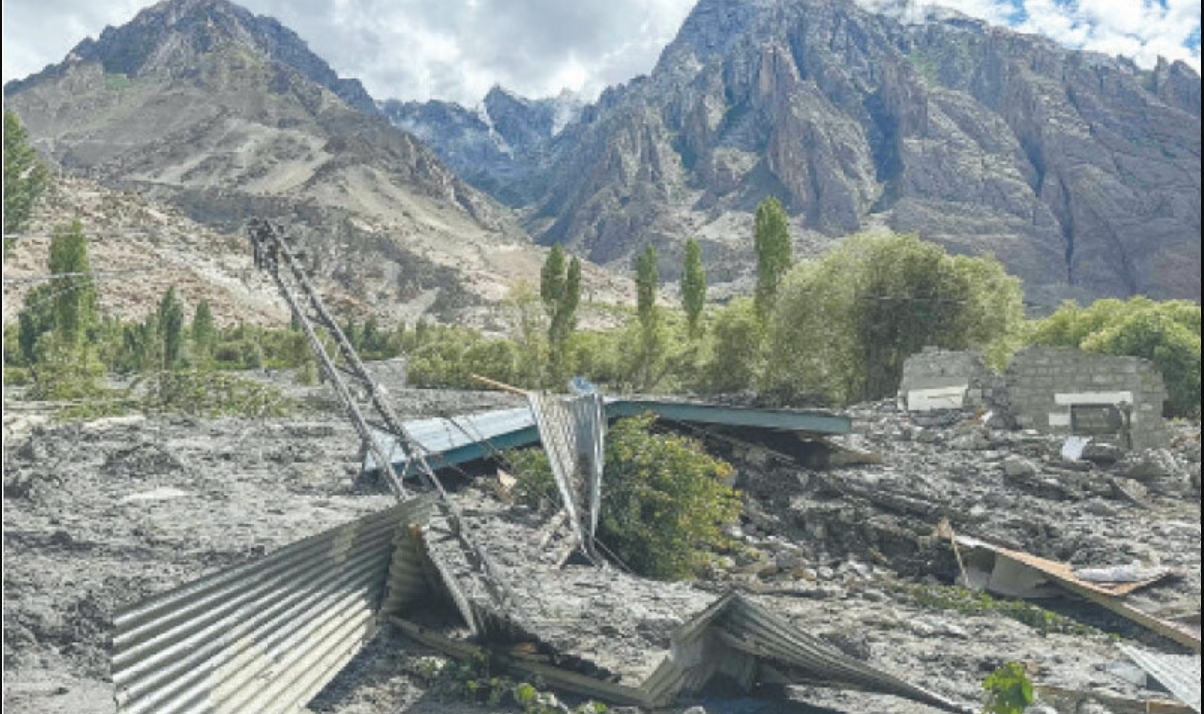
Meanwhile, Gilgit-Baltistan faces a climate emergency, with recent glacier melts and cloudbursts triggering deadly floods and landslides. Roads, homes, water channels, and power lines have been destroyed in Kondus Valley and surrounding regions. According to GB Chief Secretary Abrar Ahmed Mirza, nine people have died since July 10, and over 196 homes have been washed away. C-130 flights were used to evacuate stranded tourists from Fairy Meadows and Babusar Valley.
Relief operations are ongoing, with tents, food, and essential supplies being distributed. Special flights from Skardu and Gilgit to Islamabad have transported over 135 people, including 80 tourists. Authorities are still searching for up to 12 missing individuals in Babusar Valley.
Acknowledging the growing climate crisis, the GB government announced a review of early warning systems, including the UNDP-funded Glof-II project, urging residents to follow official travel advisories closely.
