


Saudi Arabia has officially announced the launch of a new low-cost airline, a strategic move to enhance domestic and international travel through Dammam’s King Fahd International Airport. The low-cost airline is part of the kingdom’s broader aviation expansion plan aimed at transforming the country into a major regional transport hub. The newly announced low-cost airline will play a key role in achieving the nation’s target of transporting 10 million passengers annually by the year 2030.
According to Saudi state media, the low-cost airline will be headquartered in Dammam and is expected to operate a fleet of 45 aircraft by the end of the decade. With a focus on cost-effective air travel, the low-cost airline will serve 24 domestic and 57 international destinations. The goal is to increase accessibility and affordability for travelers across Saudi Arabia and beyond, aligning with the kingdom’s Vision 2030 strategy, which emphasizes tourism and connectivity. By boosting regional mobility, the low-cost airline is also expected to generate employment opportunities and support economic diversification.
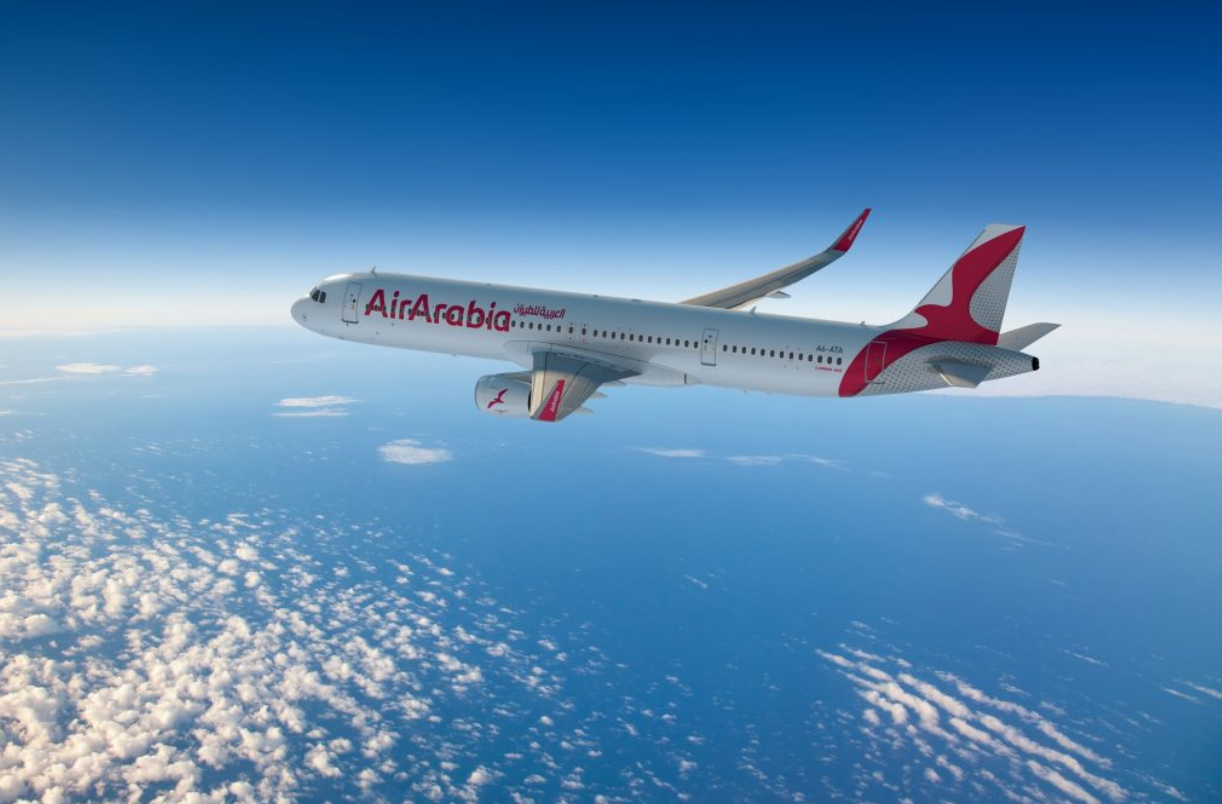
The Saudi General Authority of Civil Aviation confirmed that the low-cost airline project was awarded to a consortium of three companies. Among them is the United Arab Emirates-based Air Arabia, a well-established budget carrier known for its regional service. This partnership is seen as a key step toward ensuring operational efficiency and competitiveness in the growing aviation market. The inclusion of Air Arabia adds credibility to the project and strengthens cross-border cooperation in the sector. With the low-cost airline based at King Fahd International Airport, Dammam is set to become a strategic center for affordable air travel.
The low-cost airline will offer both domestic and international services, enabling passengers to travel between key cities in Saudi Arabia and connect to a variety of international locations across Asia, the Middle East, and potentially Europe. This expansion reflects the growing demand for low-fare, high-efficiency carriers across the region. The kingdom’s push to establish the low-cost airline comes amid a broader global trend where budget airlines are gaining market share due to shifting travel preferences and cost sensitivity.
The newly formed low-cost airline aligns with the government’s objective to strengthen air connectivity, ease access for international tourists, and support religious travel to the kingdom’s holy cities. By targeting underserved routes and increasing flight frequency, the low-cost airline will fill critical gaps in the market. Moreover, the project signifies Saudi Arabia’s increasing openness to foreign collaboration in vital infrastructure projects. The low-cost airline is not only a transportation initiative, it is a symbol of economic modernization and regional outreach.
With the 2030 deadline in place, efforts are now underway to finalize the operational framework, expand ground services, and streamline ticketing platforms to ensure seamless integration. The success of the low-cost airline will likely encourage further investment in Saudi Arabia’s aviation sector, making air travel more accessible for millions.
