

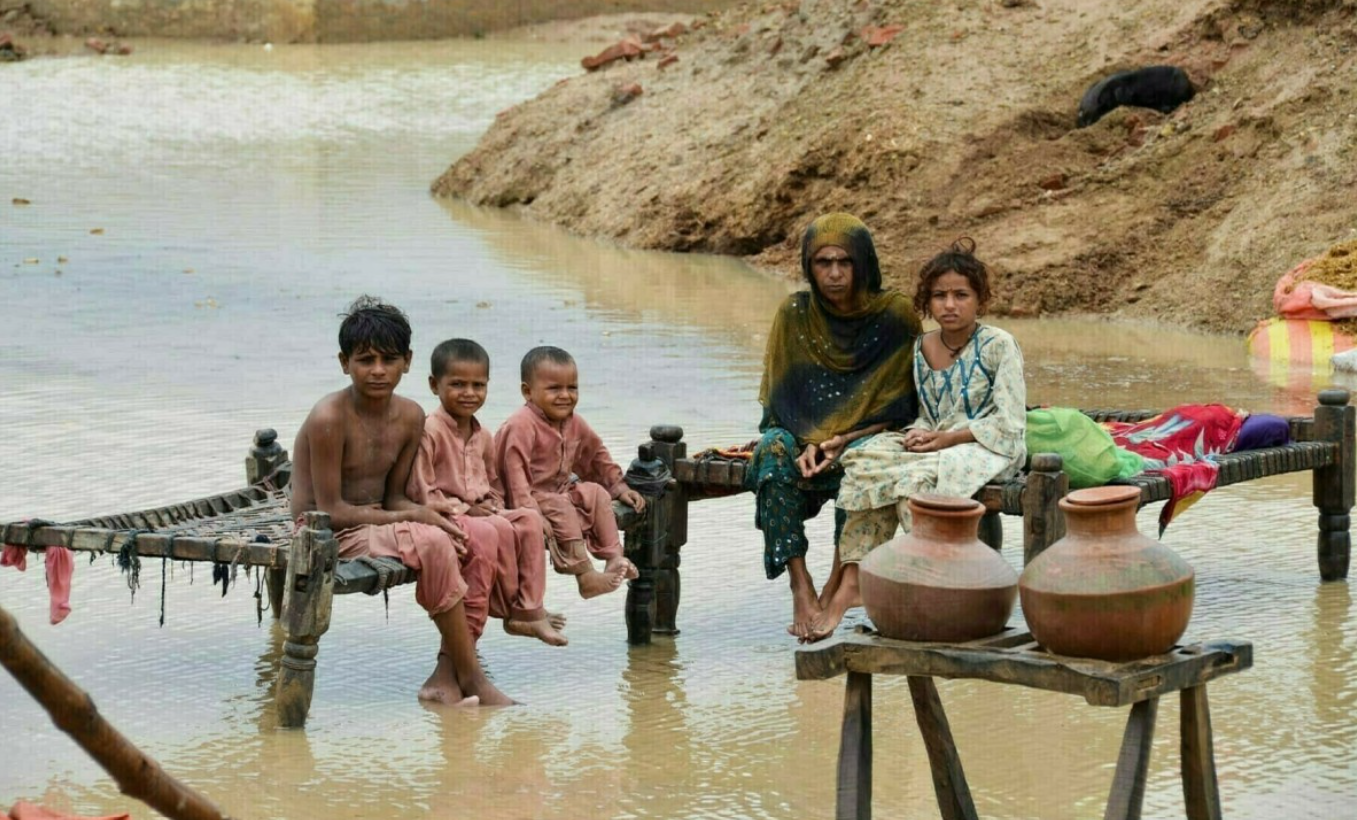

Climate change poses a serious threat to global development, with a new World Bank report warning that up to 41 million additional people could fall into extreme poverty by 2050 due to its effects. The report, titled The Future of Poverty, highlights how climate change will significantly disrupt income levels and disproportionately impact vulnerable regions if swift action is not taken.
The study estimates that the number of poor people globally could rise by as many as 148.8 million, with climate change severely affecting regions such as Sub-Saharan Africa, South Asia, and Latin America. In South Asia alone, extreme poverty could reach 48.8 million by 2030, fueled by climate change and its impact on food systems, employment, and infrastructure.
According to the report, climate change-induced income losses will interact with existing structural weaknesses in developing nations. Countries already grappling with limited social protection systems are particularly exposed to worsening poverty. Without targeted support, the social and economic gap between high- and low-income countries will widen dramatically.
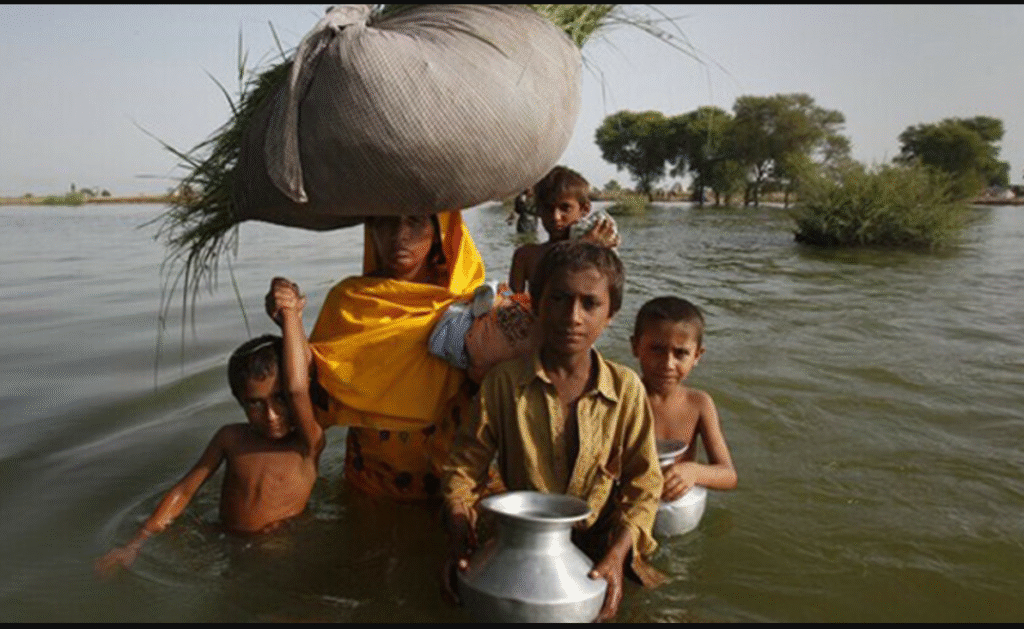
The World Bank calls for enhanced social safety nets, emphasizing that high-income nations, responsible for the majority of historical emissions, must assist low- and middle-income countries. This assistance should include financial aid, technology transfer, and resilience-building strategies to combat climate change.
A major concern raised in the report is the projected rise in food prices driven by climate change, particularly in regions where food accounts for a large portion of household expenses. Without intervention, this may further erode household incomes and push millions more into poverty.
The economic implications are staggering: climate change could reduce global economic output by 23% by 2100. Most economic models in the report show global income losses of over 20% due to climate disruptions. Although both wealthy and developing nations respond similarly to rising temperatures, poor countries face far harsher consequences due to their hotter climates and limited adaptive capacity.
The report also stresses the importance of inclusive policies that reduce inequality and promote access to education, healthcare, and financial services. These actions, combined with investments in climate-adaptive infrastructure and agriculture, are essential to mitigating the worst effects of climate change on poverty.
In conclusion, the World Bank urges nations to act urgently. If left unaddressed, climate change threatens not only environmental stability but also decades of progress in global poverty reduction.
