



In a world governed by screens and swipes, emojis have emerged as the most curious form of modern expression. A thumbs-up, a red heart, a chair, or even a gust of wind—all carry layers of meaning in our digitally tangled lives. But these aren’t just tiny icons—they are reflections of our insecurities, expectations, humor, etiquette, and often, our silent heartbreaks.
This metamorphosis of communication is deeply studied by Dr. Zonaib Tahir, a seasoned academician who has taught at Quaid-e-Azam University for over a decade. With a PhD in Digital Marketing from France and an MS from the UK, his research revolves around digital consumption behaviour—what compels us to endlessly ‘produce’ and ‘consume’ content, and how platforms like WhatsApp, Instagram, and Twitter are silently dictating the evolution of human emotions.
Emojis: From Visual Cues to Emotional Crutches
Emojis are often dismissed as casual or playful, but as Dr. Zonaib explains, they’ve come to replace real emotional labor. “Initially, people found comfort in the broken heart emoji. But over time, it lost its sting. Now people use withered flowers or even chairs to express sadness or sarcasm.” What began as a fun way to communicate has now become a cultural language that morphs with trends and psychological fatigue.
There’s even a term for when users stop feeling the emotional weight of a certain emoji—emoji desensitization. “It’s like perfume,” he says. “The first time you wear it, it’s powerful. But after a while, you can’t smell it anymore.”
The evolution of emojis reflects the evolution of our emotional strategies. As emojis lose their punch, we look for new ones to express the same emotions, not because we feel more but because we need to feel seen.
Ghosting and the Myth of Instant Connection
Perhaps one of the most complex digital behaviors tied to emojis and messaging is ghosting. Dr. Zonaib breaks it down as the sensation of being digitally abandoned. “Ghosting is when someone isolates us in the digital realm. But its acceptability depends on context.”
He argues that ghosting, though often vilified, is sometimes necessary—especially when someone is overstepping boundaries. For example, if a woman chooses not to respond to an uncomfortable message, it’s a form of self-protection, not cruelty.
But he also links ghosting to a wider cultural malaise: the obsession with instant gratification. In today’s world, people expect job confirmations before the interview ends. “Everyone wants replies before the sentence is finished,” he muses. “Maybe the word ghosting is more demonizing than the act itself.”

In relationships too, the tolerance window has dramatically shortened. What once took days now takes minutes. A “seen” message without a response becomes a trigger. A deleted message hints at disappointment. “People no longer consider that the other person might be busy. Life cannot revolve around a gadget,” he says.
Professionalism vs. Playfulness: The Emoji Tightrope
One of the more surprising revelations from Dr. Zonaib’s research is how emojis have bled into professional communication. WhatsApp groups at work are no longer just logistical—they’re emotional theatres. Emojis like hearts, thumbs-up, clapping hands, and winks are used liberally. But should they be?
“Absolutely avoid the winking face,” Dr. Zonaib warns. “Unless you’re conducting an experiment.”
He points out that even seemingly innocent emojis can be misinterpreted. The droplets emoji—originally meant for sweat or hard work—now carries very different connotations. “Even the prayer emoji was once a high-five. Context matters.”
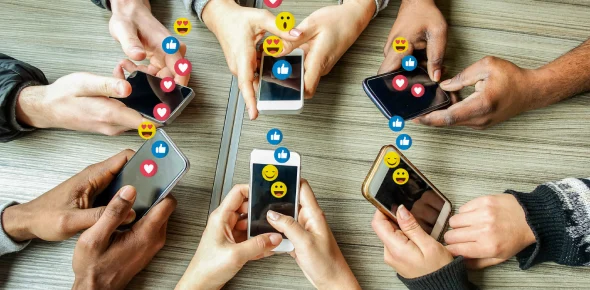
In corporate environments, emojis often perform more than they express. They’re tactical—used to flatter, show loyalty, or maintain presence. “When your boss posts a picture and everyone reacts except you, it’s noted. Those blue ticks betray you,” he jokes, but the undercurrent is serious.
Digital Etiquette and Emotional Literacy
With digital tools comes the responsibility of emotional intelligence. Emojis may help bridge tone, but they can also cross boundaries—especially when used carelessly in power-imbalanced situations.
When asked if red hearts or winks are acceptable from superiors to juniors, Dr. Zonaib is clear: it depends not just on intention, but on perception. “A 50-year-old man sending emojis to a junior female employee might think it’s harmless, but it often isn’t perceived that way.”
He emphasizes the importance of teaching digital etiquette. Boys and girls must be trained not only to avoid crossing lines but also to know how to respond when they feel uncomfortable. “We need proactive education, not just reactionary tools like ‘Report’ and ‘Block’. These tools work, but they’re not the final solution.”
And here’s something important to add:
Now the FIA (Federal Investigation Agency) has a law that if you shared something privately with someone—and that content was not for public use—you can legally report them to the FIA.
Our youth must know this so they don’t get blackmailed. They must know that no one has the right to blackmail them. And Dr. Zonaib firmly believes that government agencies should clearly communicate that they will take strict action.
“They should say—Don’t take this lightly. We won’t let it go if you’re caught.”
People often say, “But I made the account. I started the conversation. Why am I being blamed?”
The answer is simple: you had a responsibility. It was shared with you in confidence, and you were supposed to protect that content.
But in the race for fame, or for emotional gratification, people go to extremes. So government messaging should be clear and strict enough that people think twice before sharing anything—that they remember the consequences.
The Psychology Behind the Scroll
Beyond emojis and ghosting lies a more dangerous pattern—digital addiction and identity erosion. “We’ve built virtual personalities that overshadow our real selves,” says Dr. Zonaib.
The pressure to perform online, especially on platforms like LinkedIn, creates a cycle of comparison and inadequacy. “You think: Look at her title. Look at his certification. Suddenly your own achievements feel small.”
This mental exhaustion drives content creation. Gen Z understands algorithms better than anyone. If a meme or a caption no longer trends, they reinvent it, not necessarily because they want to—but because the platform demands it.
He even shares how a simple request like “Price Please?” in product comments exposes laziness and craving for instant attention. “The information is there, but people still ask. Brands reply with ‘Please check inbox.’ This exchange, repeated thousands of times, reveals how convenience overrides curiosity.”
Parasocial Attachments and the Death of Closure
Modern communication has spawned a new breed of relationship—parasocial. These are one-sided emotional investments in people we barely know. The lack of reciprocity fosters anxiety and misinterpretation.
“You fall asleep while texting, and the other person thinks you’ve ghosted them,” he says. The relationship suffers because the expectation of constant availability overrides reality.
This is why closure is more important than ever. Dr. Zonaib stresses the importance of digital goodbyes. Just like we begin conversations with greetings, we must end them gracefully. Leaving a message “seen” or abruptly disappearing can induce confusion, frustration, and even psychological distress.
Brands, Emojis, and Trust in the Digital Marketplace
Interestingly, Dr. Zonaib’s insights also extend to brands and how they use emojis to connect with audiences. “Brands now respond to customer reviews with emojis. But you have to be careful—overuse feels fake, and underuse feels cold.”
He warns companies about using stock replies and poorly written reviews. “People are smart. If the review says ‘amazing’ in perfect English and the profile picture looks AI-generated, no one buys it.”
The call for authenticity extends to data protection. “Customers want to feel that their privacy is safe. Once you misuse that trust, even an emoji won’t save your reputation.”
Balancing AI with EI
Dr. Zonaib ends with a powerful reminder. In this age of artificial intelligence, emotional intelligence matters more than ever. “We must define our unique identity. Understand your own strengths. Choose your path, rather than following the noise.”
He notes how people fall into the trap of trying to know everything, be everywhere. But this leads to digital fatigue and fractured self-worth. “Not everything around you is meant for you,” he says. “Let people know you for something unique.”According to Dr. Zonaib, “We have lost ourselves behind a virtual personality of a gadget.” By working on options that align with your wavelength and values, you can define your own path rather than being defined by external influences. This way, you can cultivate your unique identity and stand out in a crowded space.
