

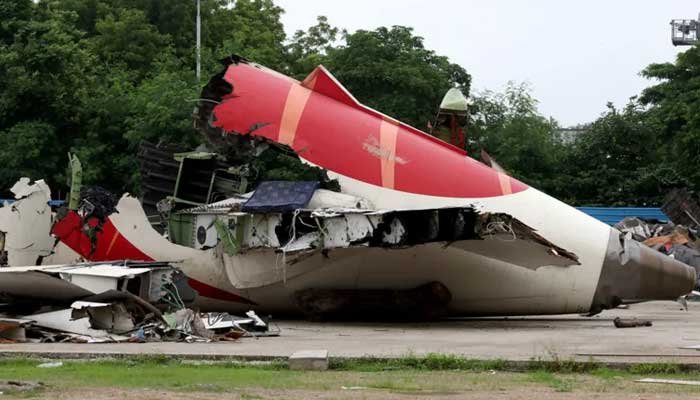

AHMEDABAD, INDIA : A preliminary investigation into the Air India Boeing 787 Dreamliner crash on June 12 is focusing on the aircraft captain’s possible role in cutting off fuel to the engines, according to a report by The Wall Street Journal.
Captain Allegedly Cut Fuel Flow During Takeoff
Citing sources familiar with the early U.S. assessment, the report states that cockpit voice recordings reveal a crucial exchange between the two pilots during takeoff. The first officer reportedly questioned the captain moments after both engine fuel switches were moved to the ‘cutoff’ position, just seconds after the aircraft became airborne.
The incident occurred during the flight’s departure from Ahmedabad to London, which tragically ended in the deaths of 241 of 242 people on board and 19 more on the ground, bringing the total death toll to 260.
AAIB Preliminary Report Raises Questions
The Aircraft Accident Investigation Bureau (AAIB) of India released its preliminary findings on Saturday. According to the report:
- The fuel switches on both engines were flipped from “run” to “cutoff” one second apart.
- Power loss was indicated by the automatic deployment of the ram air turbine (RAT).
- The engines attempted an automatic restart but failed due to the aircraft being too low and too slow.
Captain and First Officer’s Roles Unclear
The AAIB has not yet confirmed which pilot made the switch, but The Wall Street Journal states that Captain Sumeet Sabharwal and First Officer Clive Kunder were on duty. Kunder, who was piloting at the time, is said to have asked Sabharwal about the cutoff. Aviation analysts told the Journal that Kunder likely would not have had a free hand during the takeoff phase.
Flight Crashed Into Building After Loss of Thrust
Shortly after losing thrust, the plane clipped trees and a chimney before crashing into a medical college building, resulting in a fireball explosion. Only one person onboard survived.
No Mechanical Failure Found
In an internal memo, Air India CEO Campbell Wilson said the preliminary AAIB findings showed:
- No mechanical or maintenance faults
- All routine maintenance had been performed before the flight
Additionally, no safety recommendations were issued for Boeing or GE, the aircraft and engine manufacturers, respectively.
FAA, Boeing Reassure Fuel Switch Safety
Following the report, both the Federal Aviation Administration (FAA) and Boeing issued internal reassurances to stakeholders that fuel switch locks are safe, according to documents seen by Reuters.
Investigators Explore Human Error
Aviation expert John Nance said current evidence suggests a crew member manually flipped the fuel switches, as there appears to be “no other rational explanation.” However, he emphasized that a final report will take months and must examine all contributing factors, in line with international aviation safety protocols.
Renewed Calls for Cockpit Cameras
The tragic Air India crash has reignited debate about equipping commercial jets with cockpit image recorders. Nance noted that video footage could have significantly aided the current investigation.
Further Scrutiny on Air India
Air India faces additional regulatory challenges. The European Union Aviation Safety Agency (EASA) announced plans to investigate Air India Express, the airline’s budget subsidiary, following allegations of falsified maintenance records and failure to timely replace engine parts on an Airbus A320.
