

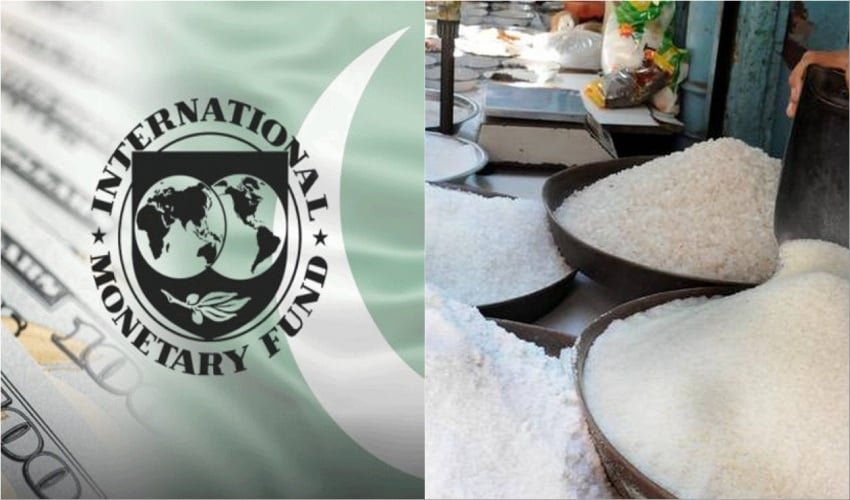

Tax-Free Sugar Imports
The International Monetary Fund (IMF) has expressed strong reservations regarding the Pakistani government’s recent decision to grant tax exemptions on sugar imports, a move that the global lender warns could jeopardize the ongoing $7 billion Extended Fund Facility (EFF) programme.
According to sources familiar with the matter, the IMF has communicated its concerns to the government, stating that the policy of duty-free sugar imports deviates from the fiscal commitments Pakistan has made under the terms of the loan agreement.
The federal government had previously authorized the tax-free import of 500,000 metric tons of sugar, citing a national “food emergency” due to the surging prices of the commodity.
Currently, sugar prices have exceeded Rs200 per kilogram — a historic high in the country — prompting immediate policy responses aimed at stabilizing the market. However, the IMF reportedly rejected the justification offered by the government, with its local representative choosing not to comment on the matter publicly.
Sources within the Finance Ministry have indicated that the IMF is particularly concerned about the impact such tax waivers could have on Pakistan’s revenue collection targets and overall fiscal discipline.
The Fund emphasized that policy reversals and revenue-compromising measures not only threaten the credibility of the ongoing reform programme but could also delay the disbursement of future loan tranches.
In response to these concerns, the government is now reviewing its decision and is reportedly considering rolling back the tax exemptions, particularly for private sector sugar importers.
A senior official, on condition of anonymity, stated, “The Fund has communicated that any revenue loss resulting from such policy decisions must be re-evaluated, especially those undertaken without coordination with relevant fiscal authorities.”
The emergency import was initially approved by the federal cabinet without formal consultation with the Ministry of Finance, further complicating the matter. Meanwhile, the Trading Corporation of Pakistan (TCP) has already issued a tender for 300,000 metric tons of sugar, with July 18 set as the deadline for bid submissions.
Economists and policy experts warn that failing to adhere to IMF’s reform conditions could endanger not only the current loan programme but also the broader macroeconomic stability of the country.
With Pakistan already facing significant inflationary pressures, foreign exchange constraints, and fiscal deficits, aligning with IMF requirements remains critical to securing continued financial support.
The controversy over the sugar import policy highlights the delicate balancing act the government must perform — controlling domestic inflation while meeting structural reform commitments demanded by international lenders.
As Pakistan navigates this challenging economic landscape, future decisions will likely come under increased scrutiny, both domestically and from global financial institutions.
