


Economic Reforms
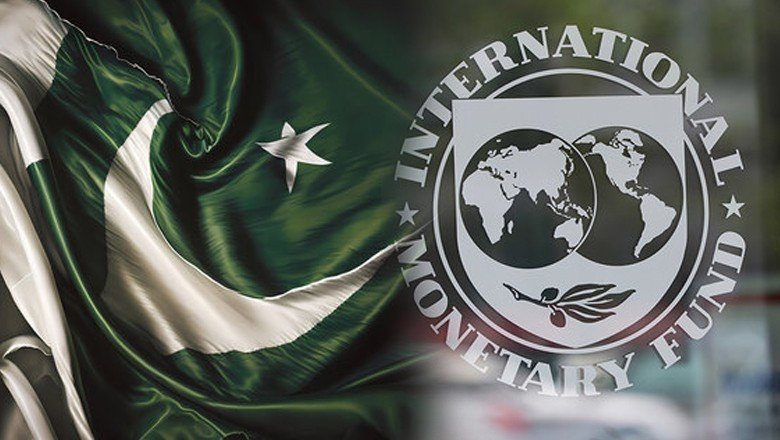
The International Monetary Fund (IMF) has acknowledged Pakistan’s strong performance under the Extended Fund Facility (EFF), offering a positive assessment of the country’s recent economic trajectory.
Speaking during a guest lecture at the Sustainable Development Policy Institute (SDPI) in Islamabad, IMF Resident Representative for Pakistan, Mahir Binici, commended the government’s efforts and expressed optimism about the country’s economic growth prospects for the coming year.
In his address to economists, policy experts, and researchers, Binici noted that Pakistan had achieved “strong” progress under the EFF, a $7 billion programme aimed at stabilising the economy and laying the groundwork for long-term structural reforms.
He pointed out that the successful completion of the first review of the programme by the IMF Executive Board in May 2025 was a significant milestone, signaling growing investor confidence and restored macroeconomic stability despite persistent external and domestic challenges.
Binici emphasised that early policy actions taken by Pakistan had played a vital role in reversing economic imbalances. He also stressed the need for continued structural reforms to ensure long-term sustainability, particularly in areas such as tax equity, business climate improvement, and encouraging private sector-led growth. These reforms, he said, are critical to unlocking the country’s full economic potential.
Beyond economic measures, the IMF official also highlighted Pakistan’s progress under the Resilience and Sustainability Facility (RSF), a programme designed to help countries address climate-related vulnerabilities while meeting international environmental commitments.
Binici outlined several focus areas of reform under the RSF, including the efficient and sustainable management of water resources, improved disaster preparedness and financing, stronger public investment planning, and the expansion of transparent and accessible climate-related data.
He stressed that the RSF would not only improve Pakistan’s resilience to climate shocks but also catalyse green investment and promote a more environmentally sustainable development model. “Support through the RSF will not only strengthen Pakistan’s climate resilience but also help unlock green investments and foster a more climate-conscious economic trajectory,” Binici stated.
The lecture concluded with a robust discussion on the importance of sound fiscal and monetary policy frameworks, the building of external buffers, and the evolving role of international financial institutions in enabling inclusive and sustainable growth.
SDPI Executive Director Dr. Abid Qaiyum Suleri welcomed the IMF’s engagement and underscored the importance of collaborative policymaking and global cooperation in addressing Pakistan’s development challenges.
He remarked that forums like these help bridge the gap between international stakeholders and local policymakers, ultimately contributing to a better-informed economic strategy for the country.
Pakistan and the IMF had reached a staff-level agreement on the EFF in March 2025. Since then, steady progress has been reported across key performance areas, reinforcing hopes for continued financial stability and reform momentum in the months ahead.
