

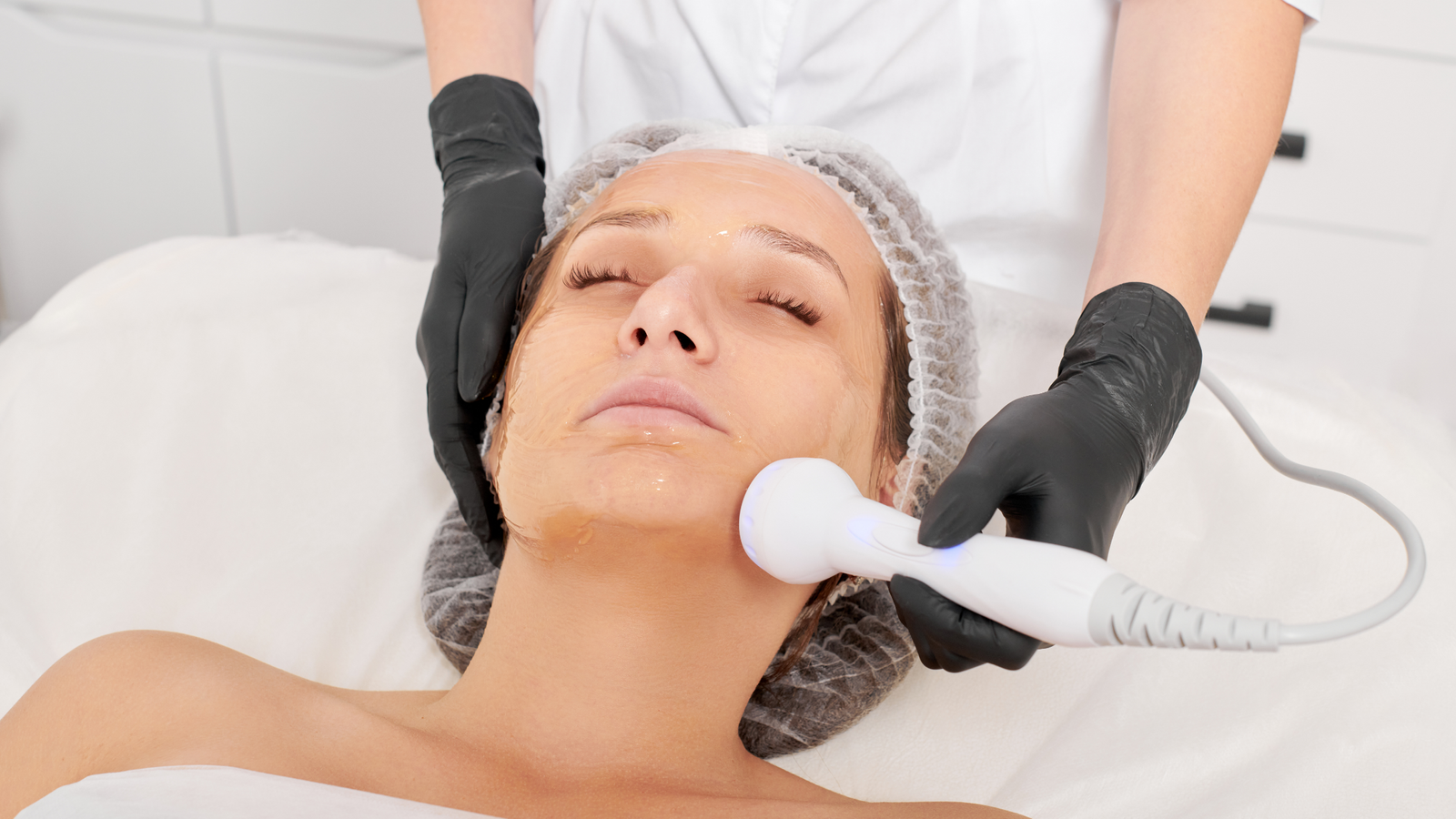

Anti-Aging Treatments
The recent sudden deaths of several well-known South Asian actors, reportedly due to heart attacks, have ignited intense speculation on social media platforms. Many users have hastily linked these tragic incidents to anti-aging treatments and COVID-19 vaccines.
However, it is important to clarify that no official medical reports have confirmed such associations. Despite this, the incidents have rekindled widespread concerns regarding the rapidly expanding but poorly regulated anti-aging industry, especially in countries like Pakistan and India.
Health experts urge caution against jumping to premature conclusions about these unfortunate deaths. Nonetheless, they acknowledge that misuse and overuse of certain cosmetic treatments—particularly hormone-based therapies—do carry genuine health risks.
In the South Asian context, where aesthetic procedures are increasingly popular not for medical reasons but for enhancing appearance, many such treatments are performed without adequate medical supervision or proper screening.
Anti-aging treatments encompass a variety of procedures and products aimed at reducing visible signs of aging and restoring vitality. These include Botox injections, dermal fillers, collagen boosters, hormone replacement therapy (HRT), and various over-the-counter supplements.
While these treatments are generally sought by individuals aged 35 to 50 for wrinkles, sagging skin, or low energy, younger age groups are now adopting them, influenced heavily by social media and celebrity culture promoting unrealistic beauty standards.
Among these, hormone replacement therapy stands out as the most potentially harmful. Initially developed to relieve menopause symptoms, HRT is now widely used off-label for cosmetic rejuvenation. However, altering hormone levels without a genuine medical indication or strict supervision can significantly raise the risk of heart attacks, strokes, blood clots, and certain cancers.
In Pakistan, the demand for anti-aging treatments has surged notably among urban middle-income populations. Dermatology clinics report a growing number of procedures such as Botox, microneedling, and glutathione injections. Unfortunately, many of these clinics operate without comprehensive pre-treatment evaluations or consistent post-treatment follow-ups, increasing health risks.
The lack of regulatory oversight is a serious concern. There is no formal licensing system for many aesthetic clinics, and hormone supplements and beauty products are widely accessible over the counter without prescriptions. This opens the door for self-medication, which can have devastating effects on vital organs like the heart, liver, and kidneys.
Globally, the anti-aging market is booming, valued at around $73 billion in 2024 and projected to exceed $121 billion by 2033. In 2020, over 14 million non-surgical cosmetic procedures were performed worldwide, with Botox leading at 6.2 million cases.
In India, the market is growing rapidly at nearly 19% annually, primarily fueled by younger consumers aged 25 to 45 who pursue treatments mainly to meet societal beauty ideals rather than medical necessity.
Despite the popularity of these treatments, medical consensus emphasizes that the most effective way to combat aging remains natural lifestyle choices. A balanced diet, regular physical activity, quality sleep, stress management, and avoidance of smoking and excessive alcohol are the safest and most reliable methods to maintain long-term health and vitality.
Doctors stress that synthetic interventions like hormone therapy or cosmetic injectables should be reserved strictly for medically justified cases and always administered under careful clinical supervision. Individuals with existing heart or blood pressure problems are particularly advised to avoid these treatments.
With increasing influence from social media and celebrity-driven beauty standards, there is an urgent need to raise public awareness in Pakistan and similar countries about the risks involved.
Experts call on the public to make informed health decisions and recognize that aging is a natural, inevitable process. Attempting to defy it through unregulated or unnecessary treatments can result in severe and sometimes fatal consequences.
