


The State Bank of Pakistan (SBP) plans to launch a pilot project for a central bank digital currency (CBDC) and is finalising a legal framework to oversee virtual assets, as part of wider reforms to modernise the nation’s financial system.
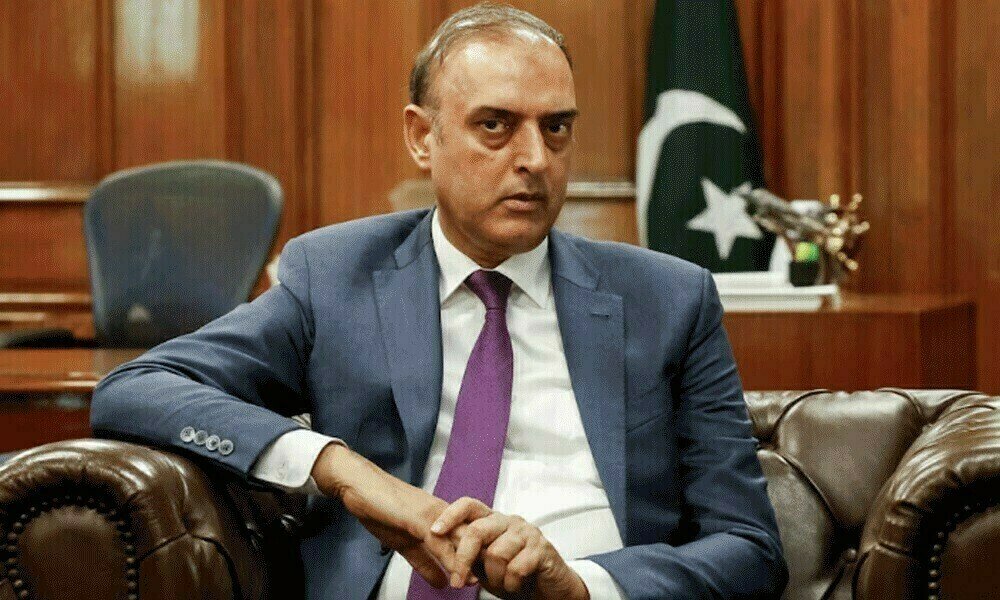
Speaking at the Reuters NEXT Asia summit in Singapore, SBP Governor Jameel Ahmad shared that preparations were underway to build the bank’s capacity for rolling out digital currency, with the pilot expected to start soon.
Ahmad, who appeared alongside Sri Lanka’s central bank governor, P. Nandalal Weerasinghe, said Pakistan was also working on legislation to set up licensing and regulatory oversight for the virtual asset sector. He noted that the SBP had engaged several technology partners to support this effort.
The move aligns Pakistan with global trends, as countries including China, India, Nigeria, and some Gulf nations test or deploy digital currencies through controlled pilots.
The initiative complements recent efforts by the Pakistan Crypto Council (PCC), a government-backed body formed in March to encourage the adoption of blockchain and virtual assets.
According to PCC CEO and state minister Bilal bin Saqib, the government has formally approved the Virtual Assets Act, 2025. This law establishes the Pakistan Virtual Asset Regulatory Authority (PVARA), an independent body empowered to license, regulate, and supervise virtual asset service providers.
The PCC has also started exploring bitcoin mining using surplus energy, appointed Binance founder Changpeng Zhao as a strategic adviser, and is planning a state-run Strategic Bitcoin Reserve. Additionally, it has held discussions with US-based crypto firms, including the World Liberty Financial group linked to US President Donald Trump.
While the SBP previously clarified that virtual assets were not illegal, it has advised banks and financial institutions to avoid dealing with them until a comprehensive licensing system is in place.
“There are risks, but also significant opportunities in this emerging field,” Ahmad said, stressing the importance of balancing innovation with careful risk management.
Tight monetary stance and declining inflation
Ahmad also discussed monetary policy, confirming that the SBP would keep a tight stance to anchor inflation within its medium-term target of 5–7 per cent.
After inflation peaked at 38 per cent in May 2023, it has fallen sharply to 3.2 per cent by June 2025, averaging 4.5 per cent in the last fiscal year — the lowest in nine years. In response, Pakistan has cut its benchmark rate from 22 per cent to 11 per cent over the past year.
“We are seeing the benefits of tight monetary policy both on inflation and the external sector,” he explained.
Ahmad noted Pakistan’s foreign debt profile was largely dollar-denominated, with limited exposure (around 13 per cent) to Eurobonds or commercial loans, making the country less vulnerable to fluctuations in the dollar’s value. Foreign reserves have also improved significantly, rising from under $3 billion two years ago to $14.5 billion.
The governor said Pakistan’s ongoing $7 billion IMF programme, set to run until September 2027, remains on track, helping deliver reforms in fiscal policy, energy pricing, and exchange rate management.
“We’re optimistic that after this IMF programme, we may not need another immediate follow-up,” he added.
When asked about potential funding plans for military equipment purchases, particularly imports from China, Ahmad said he had no information on such arrangements.
Key features of the Virtual Assets Act, 2025
The newly approved law sets up PVARA to oversee virtual asset services, with a board comprising senior government officials, the SBP governor, and heads of regulatory bodies like SECP, FBR, and Digital Pakistan Authority. Two independent directors with expertise in law, finance, or technology will also be appointed.
All companies or individuals wishing to provide virtual asset services in or from Pakistan must obtain a licence, subject to compliance and reporting requirements.
The act includes a regulatory sandbox to test innovative products under supervision, and allows no-action relief letters under defined conditions to encourage experimentation without immediate regulatory penalties.
To align with Islamic finance principles, the law establishes a shariah advisory committee that will guide the regulator on the compliance of virtual asset products. Licensed firms offering Islamic financial services must follow the committee’s rulings.
An appellate tribunal will handle challenges to PVARA’s decisions, ensuring independence with a panel of legal, financial, and technology experts.
“With this forward-looking framework, Pakistan aims to foster a secure, innovative digital finance ecosystem that keeps pace with global standards while protecting the public interest,” officials noted.
