


Visa Services
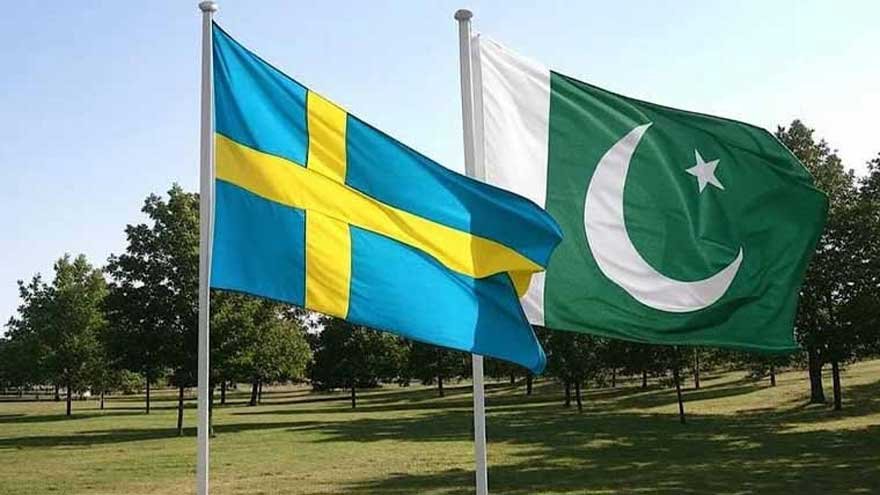
The Swedish government has officially announced the resumption of visa services in Pakistan, a move that will allow Pakistani citizens to once again apply for short-stay visas to Sweden.
The development was confirmed by Pakistan’s Ministry of Foreign Affairs (MOFA) on Monday and marks a significant step forward in enhancing people-to-people connectivity and diplomatic engagement between the two nations.
According to the Foreign Office statement, the visa services will resume from July 7, enabling Pakistani nationals to apply for Schengen visas for short visits of up to 90 days to Sweden. This comes as a welcome relief to travelers, students, business professionals, and families who had been impacted by the previous suspension of services.
The announcement follows the 19th round of bilateral political consultations held last week between Pakistan and Sweden. These high-level diplomatic talks served as a platform to reaffirm both countries’ commitment to expanding and deepening their cooperation across multiple sectors.
The Pakistani delegation was led by Ambassador Muhammad Ayub, Additional Foreign Secretary for Europe, while the Swedish side was represented by the Director General for Global Affairs from Sweden’s Ministry of Foreign Affairs. The consultations were held in Stockholm and included comprehensive discussions on the current state and future trajectory of bilateral relations.
Both sides agreed to strengthen collaboration in several key areas, including the green transition, sustainable development technologies, digital transformation, and the ICT sector.
The talks also covered regional dynamics and broader international issues of mutual interest, showcasing the depth and maturity of Pakistan-Sweden relations.
A spokesperson for Pakistan’s Foreign Office welcomed the resumption of visa services, calling it a “positive development” that reflects growing mutual confidence and the strengthening of diplomatic ties between Islamabad and Stockholm.
The resumption of these services is expected to promote greater cultural exchange, boost business ties, and enhance cooperation in areas such as education, climate policy, and innovation.
The decision is widely viewed as a concrete outcome of diplomatic engagement and is expected to pave the way for even broader collaboration between the two countries in the coming years.
