

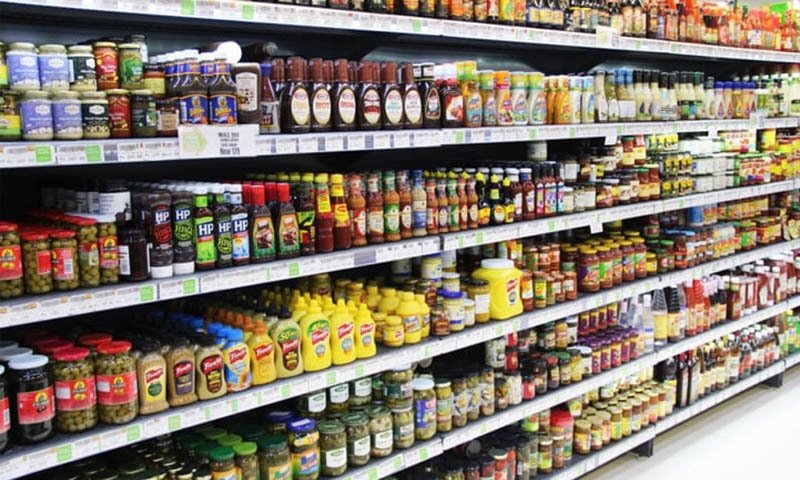

ISLAMABAD: The Government of Pakistan has announced sweeping tax and duty reductions on around 7,000, to be imported in the new fiscal year. It will give relief to the consumers and boost key sectors such as industry, agriculture, livestock, and food.
According to an official notification, regulatory duties on raw materials for the industrial sector have been lowered to encourage domestic manufacturing.
In the livestock and poultry sectors, import duties on breeding animals and chickens have been cut to 5%.
Similarly, live fish imports—including codfish—now face a 5% duty, while frozen fish carries a 17.5% levy. Duties on fish parts such as heads, tails, and skins have also been reduced to 5%.
Dairy products, including milk, powdered milk, yogurt, cream, butter, and milk fats, are now subject to a 20% duty. Cheese imports will face a 40% duty, and honey 24%.
The food sector has seen broad-based reductions:
- Canned, boiled, and frozen vegetables, as well as dried vegetables and bananas, now carry import duties of 5–10%.
- Fresh produce like dates and apples have duties reduced to 20% and 24%, while fresh peaches are taxed at 36%.
- Wheat flour, maize flour, and corn now incur a 20% duty, while betel leaf imports are set at Rs400 per kg.
- Cocoa products, pasta, and cornflakes face a 20% duty, and pineapples 40%.
- Bulk coffee imports are now subject to a 15% duty.
In the energy and industrial chemicals sector, duties on motor spirit have been lowered to 10%, and carbon dioxide, magnesium, and nickel to just 2.5%. Import duties on varnishes, enamel paints, and lacquers have also been reduced to 5% in an effort to lower input costs and stimulate economic activity.
Major Changes in Vehicle Import Policy
In a separate development, Finance Minister Muhammad Aurangzeb announced a major revision to Pakistan’s vehicle import policy during a Senate Finance Committee meeting chaired by Senator Saleem Mandviwala.
Starting September 2025, commercial imports of used vehicles up to five years old will be allowed, subject to a 40% import duty. Under the baggage scheme, individuals who have lived abroad for at least 700 days will also be eligible to import such vehicles.
The minister outlined a phased reduction in duties on used vehicle imports:
- From July 1, 2026: Duty reduced to 30%.
- From July 1, 2027: Further reduced to 20%.
- From July 1, 2028: Duty cut to 10%.
- By July 1, 2029: Duty on imported used vehicles will be eliminated entirely.
These combined measures are part of the government’s broader strategy to boost economic growth, lower costs for consumers and businesses, and encourage industrial and technological advancement.
