

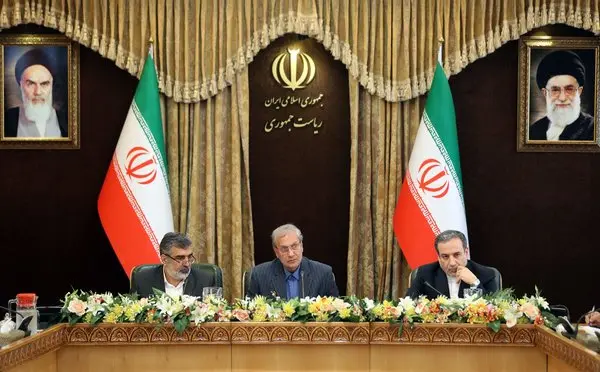

NEW YORK: Iran has expressed readiness to transfer its stockpile of highly enriched uranium to another country as part of a potential nuclear agreement, according to Iranian Ambassador to the United Nations Amir Saeid Iravani.
In a written interview with Al-Monitor, Ambassador Iravani said Tehran is open to proposals involving the relocation of its 60% and 20% enriched uranium stockpiles out of Iran in exchange for yellowcake — a milder form of uranium used as raw material for further enrichment.
“We would be prepared to transfer our stockpiles… out of Iranian territory in return for receiving yellowcake,” Iravani stated.
The remarks mark a significant diplomatic signal amid ongoing international concerns over the whereabouts and scale of Iran’s near weapons-grade uranium reserves.
Open to a Regional Consortium
Ambassador Iravani also voiced openness to the idea of a regional nuclear consortium, a concept reportedly discussed during past U.S.-Iran diplomatic contacts. While supporting regional cooperation, he stressed that any consortium must be a complementary initiative, not a replacement for Iran’s domestic nuclear program.
“A consortium could very well be one of the forms such cooperation might take,” Iravani said, adding that Tehran has “no objection in principle” but would evaluate any proposals on a case-by-case basis.
U.S.-Backed Consortium Proposal
According to reports in U.S. media, the Biden administration had previously proposed forming a nuclear consortium that could include Saudi Arabia, the UAE, Qatar, Oman, and the United States. The aim would be to ensure peaceful nuclear collaboration and build trust among regional powers.
Iran has also expressed willingness to work with neighboring countries operating nuclear reactors — particularly on issues like reactor safety and fuel supply — provided it aligns with Iran’s broader strategic goals.
The developments come as Western powers continue to seek ways to contain Iran’s nuclear advancements while averting another Middle East crisis. Diplomats suggest this new openness from Tehran could offer a window for re-engagement if conditions stabilize following recent regional tensions.
