

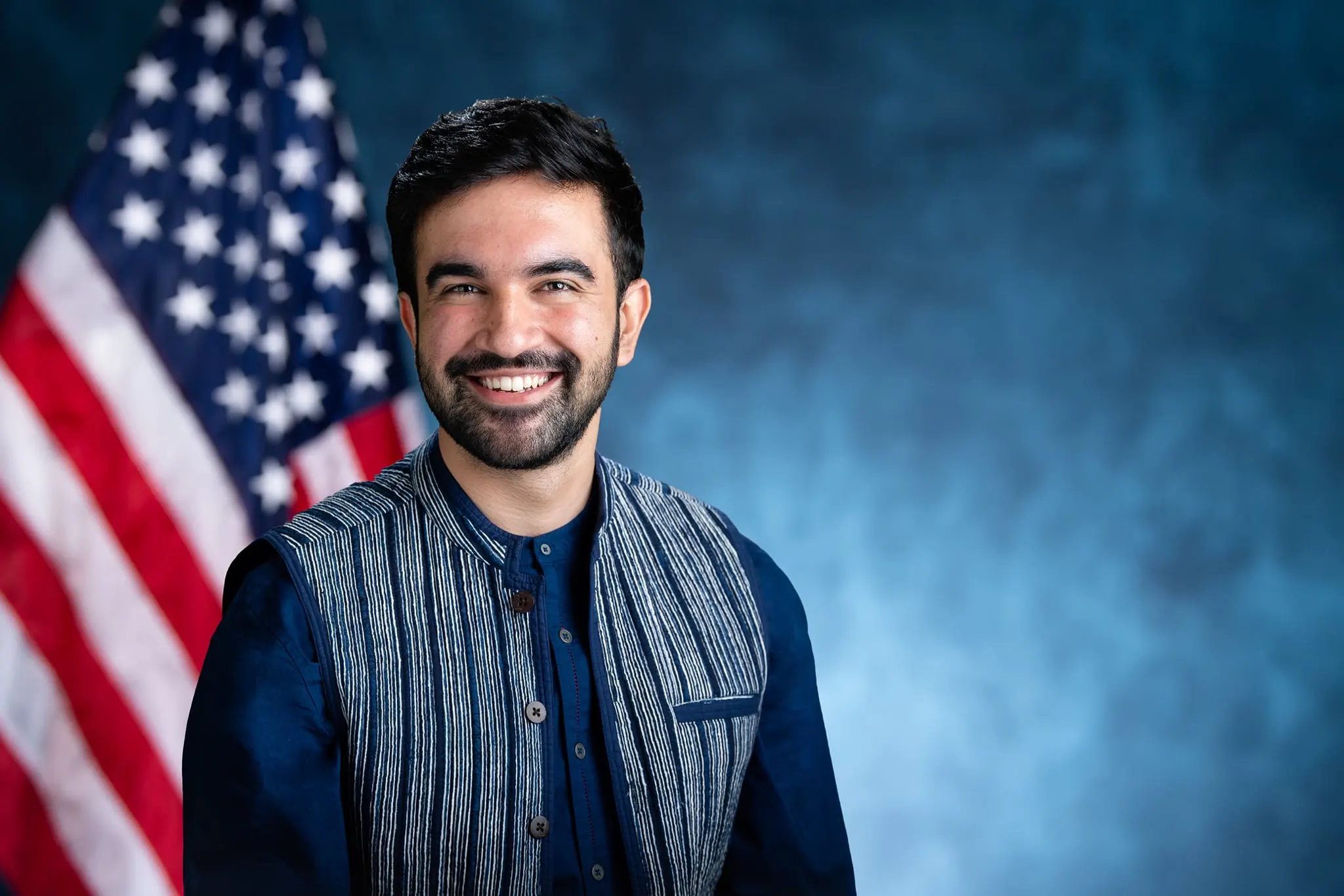

In a political upset few saw coming, 33-year-old Zohran Mamdani has emerged as the presumptive Democratic nominee for mayor of New York City after defeating former Governor Andrew Cuomo in a landslide primary win. A Muslim, socialist, and son of Indian-Ugandan immigrants, Mamdani’s rapid rise marks a seismic shift in the city’s political landscape — and possibly the nation’s.
Without corporate PAC money, mainstream media backing, or endorsements from Democratic powerhouses, Mamdani’s campaign leaned entirely on grassroots energy. His message of rent justice, free public transit, and taxing the wealthy resonated deeply with young voters, artists, working-class families, and progressives frustrated by decades of establishment rule. “We’re not interested in the politics of survival anymore,” said Jordan Zane, a 26-year-old organizer. “Zohran understands what dignity looks like in this city.”
Cuomo, once seen as a titan of Democratic politics, could not overcome the shadow of his resignation and scandal. Though he brought deep coffers and decades of influence to the race, New York voters turned toward a new, bolder voice. Political scientist Paul M. Collins, Jr. noted, “This win is a clear message — the Democratic base is hungry for change, especially among younger voters.”
Mamdani’s coalition spanned progressive white voters in Brooklyn, working-class Asians and Latinos in Queens, and activist circles across Manhattan. His campaign was digital-first, people-powered, and unapologetically leftist. But it wasn’t without controversy. His vocal support for the Palestinian cause and the Boycott, Divestment, and Sanctions (BDS) movement alienated some voters, particularly in Orthodox Jewish communities and among centrist Democrats. One of his X posts from October — “Israel is committing a genocide” — drew intense backlash.
Conservative voices, including billionaire Dan Loeb and even President Donald Trump, lashed out. Trump called Mamdani a “100% Communist Lunatic” on Truth Social. But the momentum didn’t waver. Mamdani’s supporters celebrated what they see as a new era for New York — one where everyday people, not wealthy elites, set the agenda.
Progressives across the city echoed Mamdani’s success. Allies like Shahana Hanif, Alexa Aviles, and Jumaane Williams held onto their seats, suggesting a broader leftward shift in New York’s political fabric. “He’s now the litmus test,” said strategist Rachel Williams. “Can a candidate stand by radical principles — especially on Palestine — and still win? Mamdani just did.”
As November approaches, Mamdani faces Republican Curtis Sliwa, who previously lost the mayoral race in 2021. Few expect Sliwa to mount a serious challenge, making Mamdani’s path to City Hall increasingly clear.
Yet, the challenges of governance will be steep. Public unions, real estate developers, and the NYPD all wield influence in a city known for political complexity. But for now, the message from New York’s Democratic base is unmistakable: the old guard is out, and a new kind of leadership is on the rise.
