

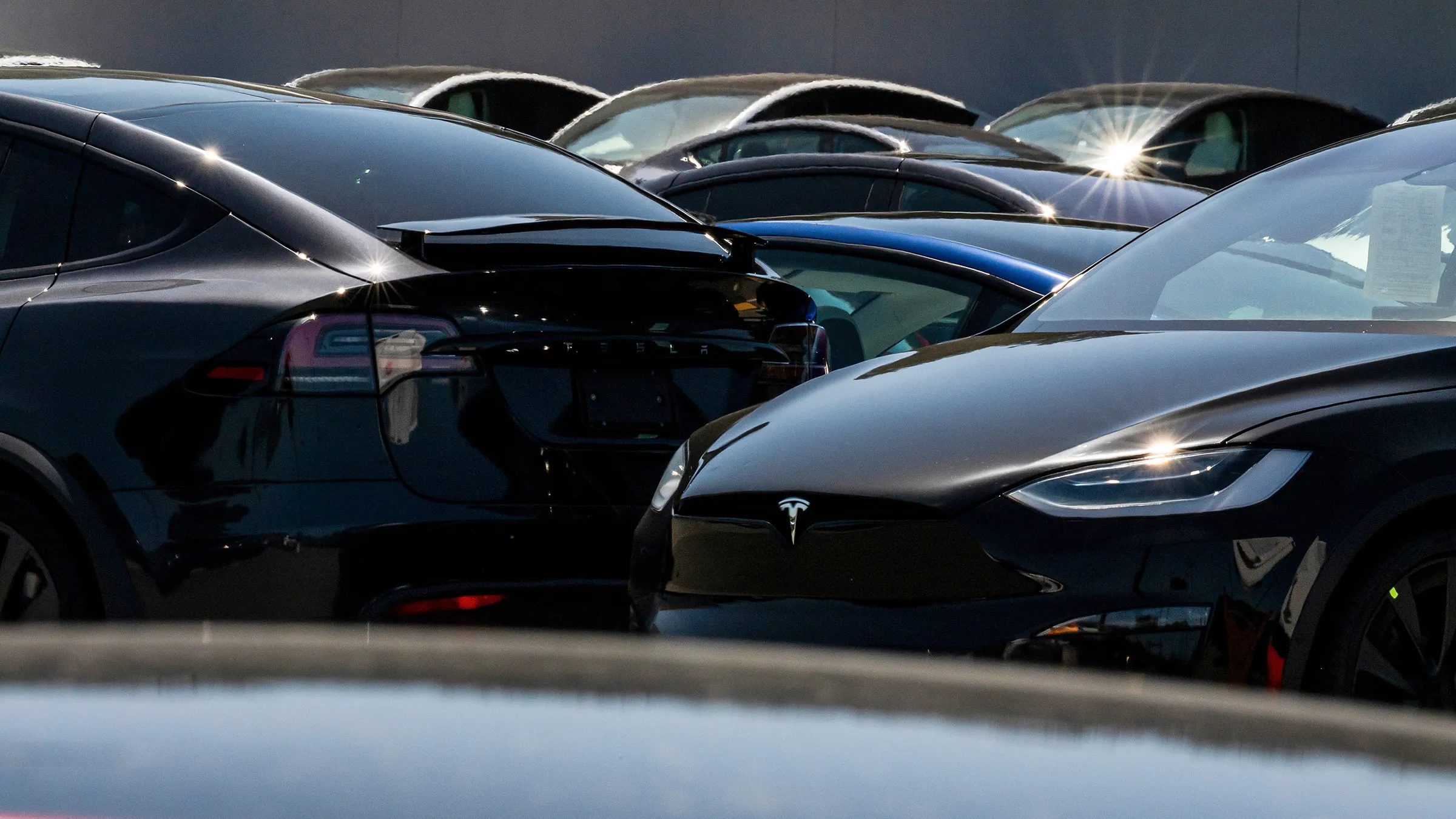

Tesla has officially rolled out its long-awaited driverless robotaxi service, utilizing autonomous Model Y SUVs powered entirely by cameras and artificial intelligence. This marks a major milestone in the company’s vision of fully autonomous electric transportation.
Following years of ambitious promises from CEO Elon Musk, the pilot service has begun operations for a limited group of vetted users. The rides, available via a new app-based hailing system, run daily from 6:00 a.m. to midnight, though they may be affected by weather conditions.
Each ride costs a flat fee of $4.20—a figure many interpret as a lighthearted reference to Musk’s online persona. Around ten 2025 Model Y vehicles are currently in service within a tightly controlled area. A Tesla employee is stationed in the front passenger seat of each vehicle as a “safety monitor,” although their role and ability to intervene remain vaguely defined.
Footage circulating online shows the robotaxis in action, including instances of abrupt stops, raising concerns about the system’s judgment and responsiveness in complex situations. While Tesla has launched the service publicly, it has revealed few technical details. Its official website provides limited information about rider rules, lost item retrieval, and app usage but lacks transparency on safety data or system limitations—unlike rival autonomous vehicle firms such as Waymo.
Tesla has also attempted to block public access to robotaxi-related records in Texas, citing proprietary concerns.
Unlike other companies that began with extended supervised testing, Tesla has moved straight into commercial use, although monitors remain onboard. The robotaxis use retrofitted Model Ys running the latest version of Full Self-Driving (FSD) software, which Musk describes as “unsupervised AI.” Cameras stay off unless needed during or after a ride.
Riders may film their trips, but violations such as smoking, substance use, or sharing misuse videos may lead to suspension. Musk hailed the launch as the result of “a decade of hard work” by Tesla’s AI and hardware teams. Despite early concerns about transparency and system behavior, initial user experiences have been generally positive.
