

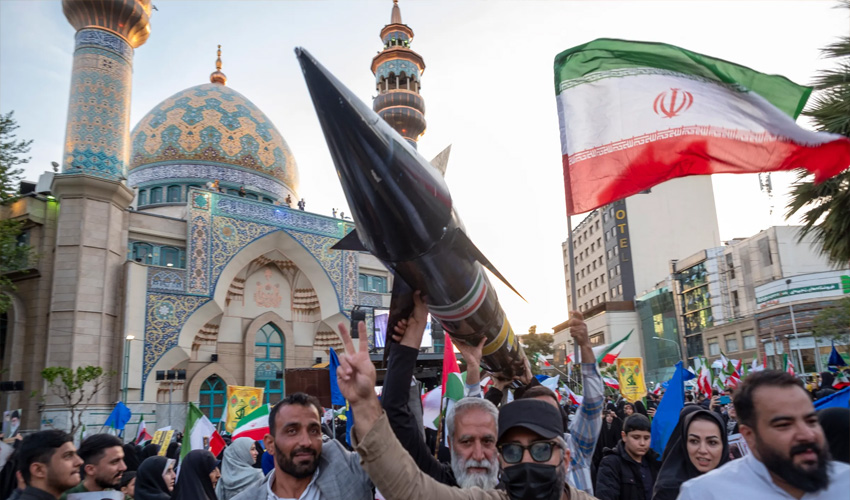

In the wake of U.S. air strikes on Iran’s nuclear facilities, a senior analyst has outlined three possible directions Iran could take in response—each with varying degrees of escalation and regional implications.
Abbas Aslani, a senior fellow at the Center for Middle East Strategic Studies, told Al Jazeera that Tehran views the attack not just as a strike on nuclear infrastructure but as a potential entry point into direct conflict with the United States.
Three Potential Iranian Responses
- Limited Retaliation
According to Aslani, Iran may opt for a measured, limited military response, especially if the physical damage caused by the U.S. strikes is assessed as moderate. “Though the targets were nuclear facilities, the political message is graver—this marks what Tehran may perceive as a formal declaration of war,” he said. - Full-Scale War
In a more aggressive scenario, Iran could launch coordinated attacks on U.S. and Israeli assets, potentially including Israeli nuclear sites.
Aslani noted that such an escalation would likely involve Iran’s regional allies, drastically widening the conflict’s scope. - Hybrid or Asymmetric Response
The third scenario involves strategic, indirect retaliation, possibly under the radar. “Iran may pursue asymmetric pressure tactics—chief among them, disrupting the Strait of Hormuz, a key global oil chokepoint,” Aslani said, emphasizing Tehran’s leverage in the energy sector.
High-Stakes Calculations Ahead
Other regional experts echoed Aslani’s concerns, warning that Iran’s response will depend on both the physical toll of the attack and its political interpretation—whether viewed as a tactical maneuver or an outright act of war.
With regional tensions already near boiling point, analysts caution that any of these responses could spark a dangerous cycle of escalation, potentially dragging neighboring countries and global powers deeper into a prolonged and destabilizing conflict.
