


The United States maintains a robust network of military bases and strategic outposts across the Middle East, enabling it to project power, support regional allies, and respond to crises swiftly. Here is an overview of key U.S. military sites in the region:
Bahrain
Bahrain hosts the headquarters of the U.S. Navy’s Fifth Fleet, which oversees maritime operations in the Gulf, Red Sea, Arabian Sea, and parts of the Indian Ocean. The fleet plays a critical role in securing vital shipping lanes and deterring regional threats.
Qatar
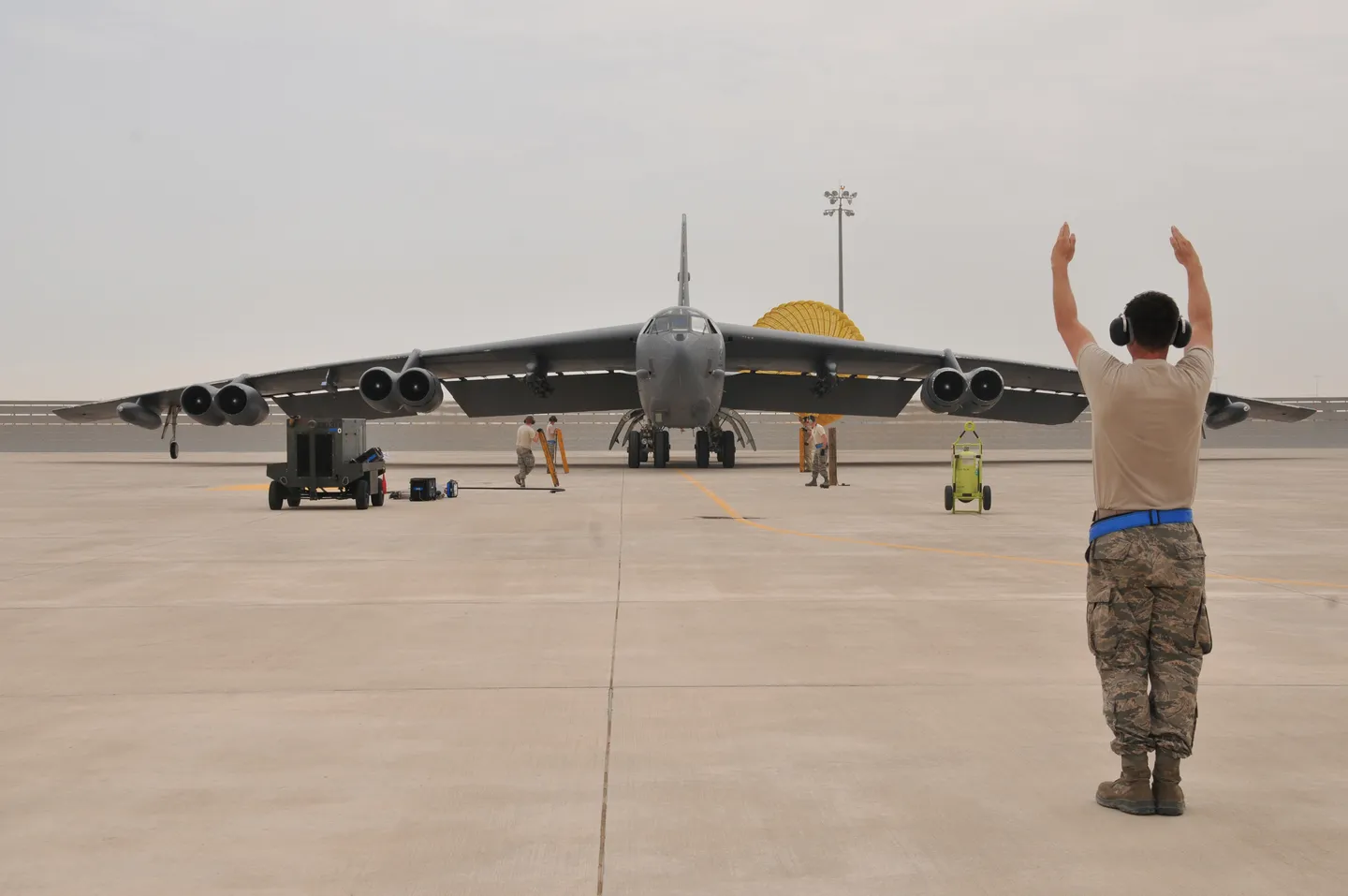
Al Udeid Air Base, located 24 hectares wide in the desert near Doha, serves as the forward headquarters of U.S. Central Command (CENTCOM). The base is the largest American installation in the Middle East, housing around 10,000 troops and directing U.S. military operations across a vast area stretching from Egypt to Kazakhstan.
Kuwait
Kuwait is home to multiple major U.S. military installations, including Camp Arifjan, the forward headquarters of U.S. Army Central. The Ali Al Salem Air Base, nicknamed “The Rock” for its remote and rugged setting, is situated about 40 kilometers from the Iraqi border.
Camp Buehring, established during the 2003 Iraq War, functions as a key staging ground for U.S. Army deployments into Iraq and Syria.
United Arab Emirates (UAE)
Al Dhafra Air Base, south of Abu Dhabi, is a joint-use facility with the UAE Air Force and serves as a vital hub for U.S. air operations, including missions against ISIS and regional surveillance.
Meanwhile, Dubai’s Jebel Ali Port—though not a formal base—is the largest U.S. Navy port of call in the Middle East and frequently hosts aircraft carriers and naval vessels.
Iraq
In Iraq, the U.S. maintains a significant presence at Ain Al Asad Air Base in western Anbar province, supporting Iraqi forces and the NATO mission. The base was famously targeted by Iranian missile strikes in 2020 following the U.S. killing of Iranian General Qasem Soleimani.
Erbil Air Base, located in Iraq’s Kurdistan region, serves as a secure hub for U.S. and coalition forces, facilitating training, intelligence sharing, and logistical support in northern Iraq.
Saudi Arabia
As of 2024, over 2,300 U.S. troops are stationed in Saudi Arabia. They operate alongside Saudi forces to provide air and missile defense, including systems like the Patriot and Terminal High Altitude Area Defense (THAAD).
Prince Sultan Air Base, located about 60 kilometers south of Riyadh, plays a central role in these operations.
Jordan
The Muwaffaq al Salti Air Base in Azraq, about 100 kilometers northeast of Amman, hosts the 332nd Air Expeditionary Wing of the U.S. Air Forces Central Command. The base supports U.S. missions across the Levant and plays a key role in regional security coordination.
These bases form the backbone of the U.S. military’s posture in the Middle East, ensuring rapid deployment capabilities, intelligence gathering, and coordination with regional allies amid a complex and volatile security environment.
