

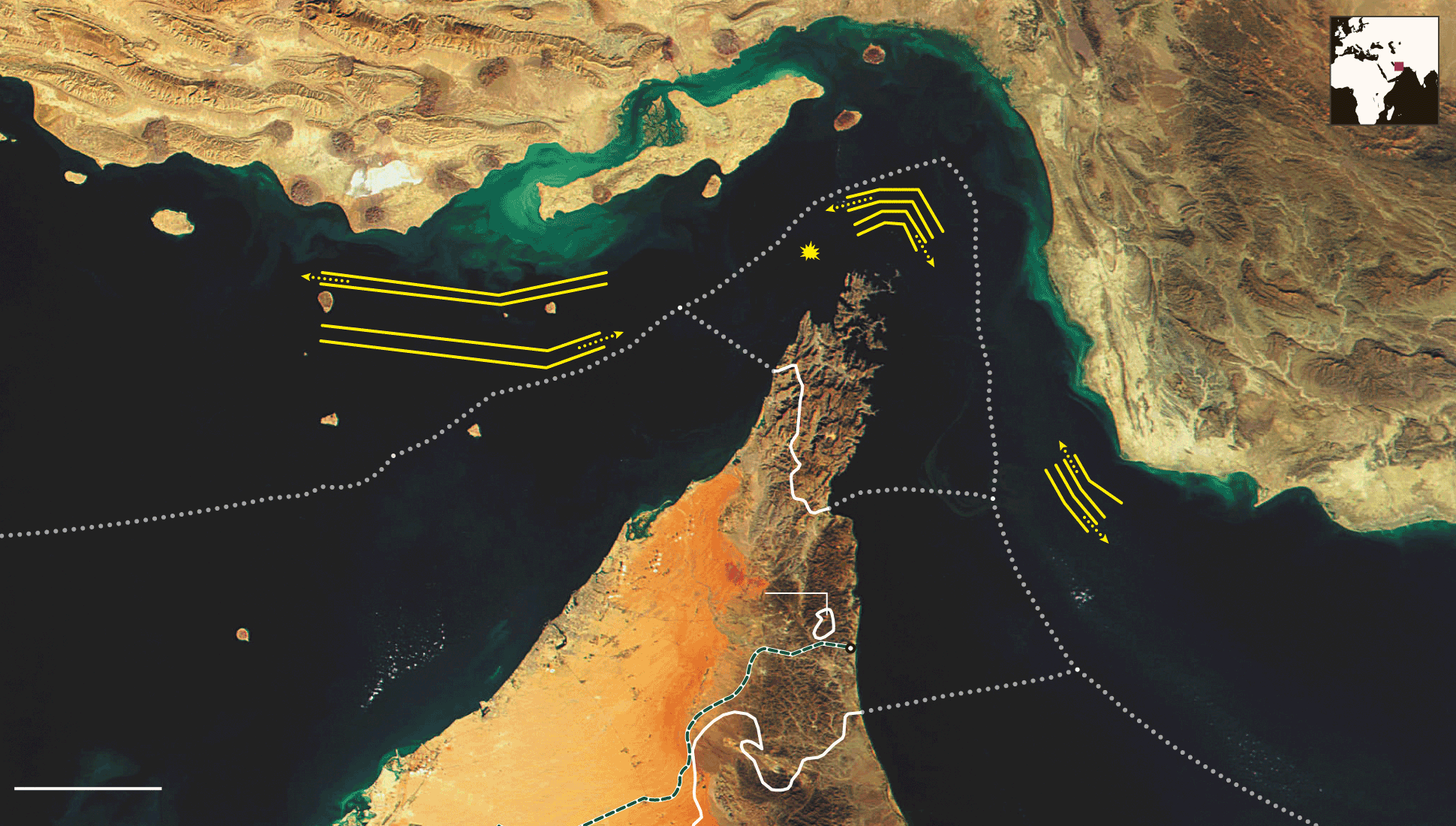

Strait of Hormuz
In a dramatic escalation of regional tensions, Iran’s parliament has voted to close the Strait of Hormuz, a vital maritime passage through which nearly 20 percent of the world’s oil and gas shipments transit.
The decision, reported by Reuters and citing Iranian state broadcaster Press TV, marks a significant move with potentially far-reaching consequences for global energy markets and regional security.
The Strait of Hormuz, a narrow chokepoint between the Persian Gulf and the Gulf of Oman, is one of the most strategically important waterways in the world. It serves as the primary maritime route for oil exports from major producers such as Saudi Arabia, the United Arab Emirates, Kuwait, and Iraq.
Any disruption to traffic through the strait could cause immediate spikes in global oil prices and further destabilize a region already on edge.
The vote comes in the wake of US airstrikes on Iranian nuclear facilities, an act that Tehran has labelled a blatant violation of international law and an attack on its sovereignty.
Iranian lawmakers have described the closure of the strait as a legitimate defensive measure aimed at confronting American and Israeli aggression and deterring further hostilities.
While the measure passed in parliament reflects strong nationalist sentiment and popular outrage within Iran, it remains unclear how or when it will be enforced, or whether Iran’s military has been formally instructed to block the waterway.
International observers are now closely watching the situation, as any attempt to militarily close the strait could provoke direct confrontation with the United States and its allies, many of whom maintain a naval presence in the Gulf to ensure freedom of navigation.
The international community, particularly major oil-importing nations, is expected to respond swiftly, as they assess the potential impact on global energy supplies and diplomatic efforts to de-escalate the crisis.
