


Iran and Israel launched fresh attacks on each other early Saturday, escalating tensions just a day after Tehran firmly ruled out any negotiations over its nuclear program while under external threats. Efforts by European nations to revive diplomatic talks appear to be faltering.
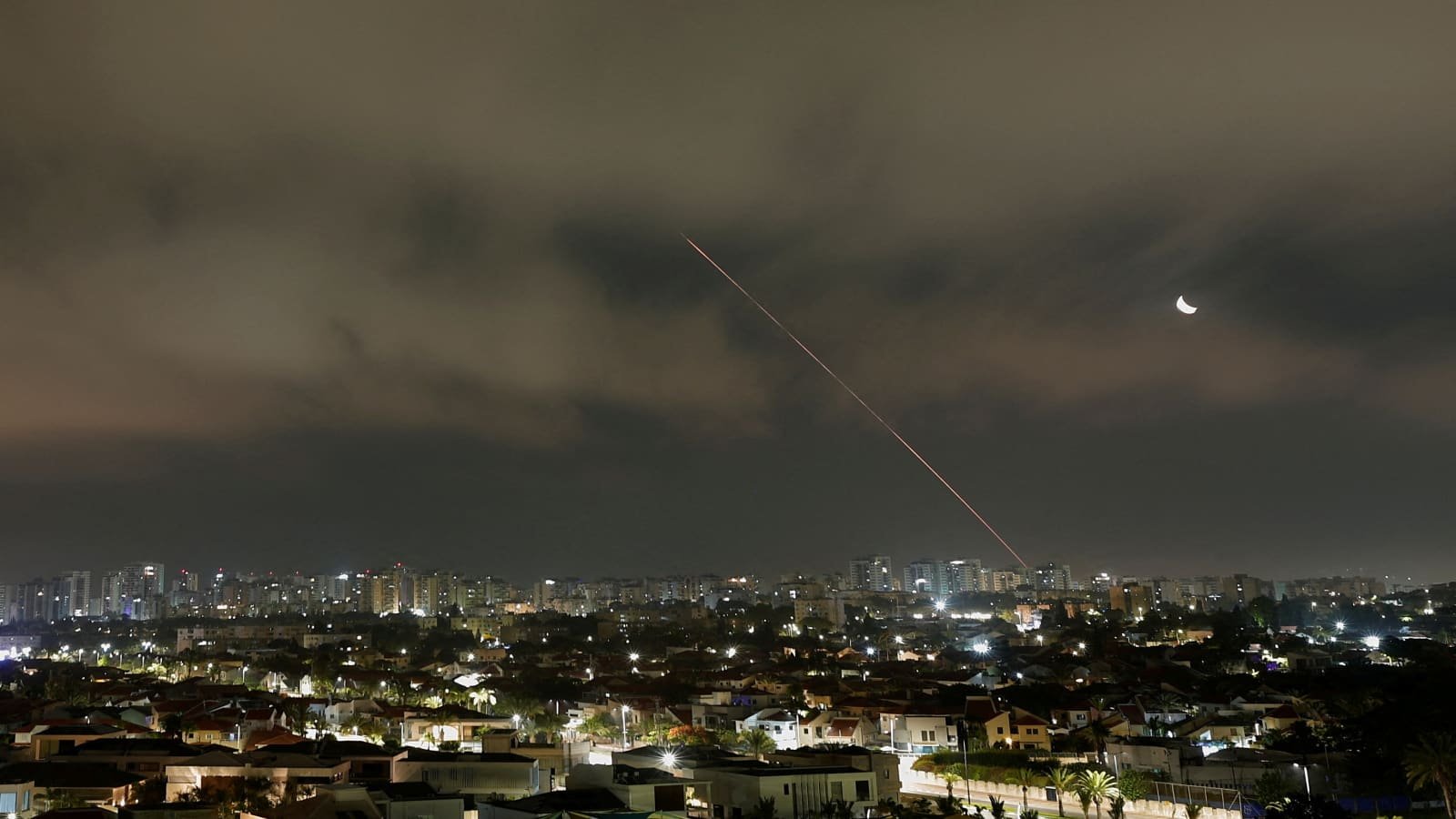
At around 2:30am local time, air raid sirens blared across central Israel, including Tel Aviv and areas in the occupied West Bank, following a warning from the Israeli military about incoming Iranian missiles. Multiple interceptions lit up the sky over Tel Aviv as explosions echoed throughout the city, indicating active air defence responses.
Simultaneously, Israeli forces carried out fresh airstrikes on Iran, targeting missile depots and launch facilities, according to military sources. Sirens also went off in southern Israel. Officials stated that Iran launched five ballistic missiles, but there were no immediate signs of direct hits.
There were no confirmed reports of casualties at the time. However, emergency services shared images showing a fire atop a multi-storey building in central Israel, believed to have been caused by falling debris from intercepted missiles.
The renewed hostilities follow last week’s initial Israeli offensive, launched over concerns that Iran was nearing nuclear weapons capability. Iran insists its nuclear program remains peaceful, and retaliated with drone and missile attacks on Israeli territory.
According to a U.S.-based human rights group monitoring events in Iran, 639 people have been killed in the Israeli strikes, including senior military officials and nuclear scientists. In contrast, 24 civilians have reportedly died in Iran’s counterattacks on Israel. These figures could not be independently confirmed.
Tel Aviv, Israel’s economic and strategic hub, continues to be a prime target of Iranian missile strikes. Israel has claimed recent hits on dozens of sites, including a nuclear research facility and multiple military bases in Tehran and western Iran.
Iranian Foreign Minister Abbas Araqchi maintained that no talks with the U.S. would take place unless Israeli military aggression ceased. Despite this stance, Araqchi traveled to Geneva for talks with European diplomats aimed at restarting dialogue—though early indications suggest little progress.
U.S. President Donald Trump commented Friday that he would take up to two weeks to decide whether to involve the U.S. in the conflict on Israel’s side, depending on how the situation unfolds. Trump expressed reluctance to urge Israel to scale back strikes during what he described as a moment of Israeli military advantage.
“Iran doesn’t want to talk to Europe. They want to talk to us,” Trump added, expressing skepticism about Europe’s ability to mediate.
Hundreds of American nationals have reportedly fled Iran since the onset of the airstrikes, according to a leaked State Department cable.
At the United Nations, Israel’s envoy Danny Danon declared that Israeli operations would continue until Iran’s nuclear threat was dismantled. In response, Iranian ambassador Amir Saeid Iravani appealed to the Security Council for action and expressed concern about the possibility of U.S. military involvement.
Russia and China called for immediate de-escalation and restraint from both sides.
A senior Iranian official told Reuters that while Iran may be open to discussions about limiting uranium enrichment, it would not accept any demand to completely halt its enrichment activities—especially in the midst of ongoing Israeli attacks.
