


Iran-Israel War
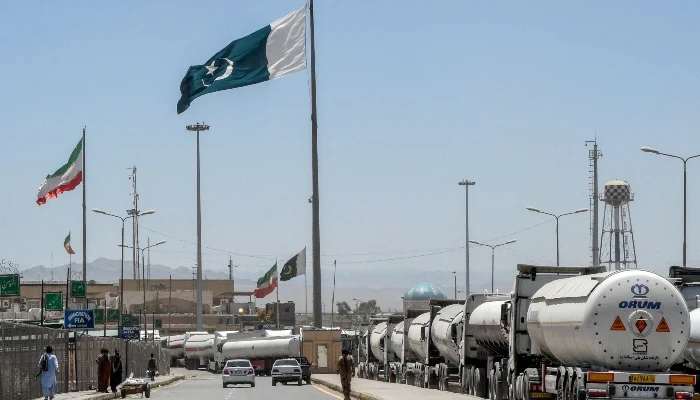
The intensifying conflict between Iran and Israel is no longer a distant geopolitical crisis for Pakistan—it has started to directly impact Balochistan, the country’s largest and most strategically located province. As border tensions rise, Balochistan is bearing the brunt of economic and social disruptions caused by the indefinite closure of the Pakistan-Iran border.
For years, the border districts of Balochistan—Chaghi, Washuk, Panjgur, Kech, and Gwadar—have served as key entry points for Iranian goods, especially smuggled petroleum products. Iranian petrol, widely used across the province due to its affordability and accessibility, is now in critically short supply.
The abrupt halt in cross-border movement has led to the closure of hundreds of informal petrol pumps that once dotted the streets and alleyways of Quetta. This scarcity has driven up fuel prices sharply, severely affecting the city’s transport sector. Rickshaw drivers and other vehicle operators have been forced to raise fares, increasing the financial burden on already struggling citizens.
The fuel crisis is not limited to petrol. There are growing concerns about an impending shortage of LPG gas, which could result in further price surges and intensify the cost of living crisis for local households.
Quetta’s marketplaces, once abundant with Iranian food products and household goods, are now facing a dramatic shift. Items such as cooking oil, ghee, biscuits, dried fruits, dairy products, and even blankets—staples for many residents—have either vanished from shelves or doubled in price.
The closure of trade routes has not only disrupted supply chains but also stoked inflation, making basic necessities unaffordable for large sections of the population.
Despite official claims that trade across the border is not entirely banned, ground realities suggest otherwise. The suspension of routine cross-border activity has created uncertainty and fear among traders and consumers alike.
According to Qadir Bakhsh Pirkani, a senior Balochistan official, all border facilities in the five districts have been shut down until further notice. Another official from Chaghi district, Atta ul Munim, confirmed that while there is no formal ban on trade, crossings have been suspended, and only returning Pakistani nationals are being allowed entry.
In the midst of these developments, Pakistan’s federal government has been facilitating the safe evacuation of its citizens from conflict zones. Foreign Minister Ishaq Dar recently confirmed that 450 Pakistani pilgrims were brought back from Iran, with additional efforts underway to evacuate those stranded in Iraq.
Although some media outlets have speculated that Pakistan might support Iran if the conflict escalates further, Islamabad maintains that it is extending only moral and diplomatic solidarity. For now, the government must focus on mitigating the economic fallout within its borders—particularly in Balochistan, where communities are already grappling with poverty, underdevelopment, and insecurity.
Residents and local traders are urging both provincial and federal authorities to take swift, comprehensive action to stabilize markets, restore controlled access to essential goods, and protect Balochistan from becoming an unintended casualty of a foreign war.
