


Iran Strike Approval
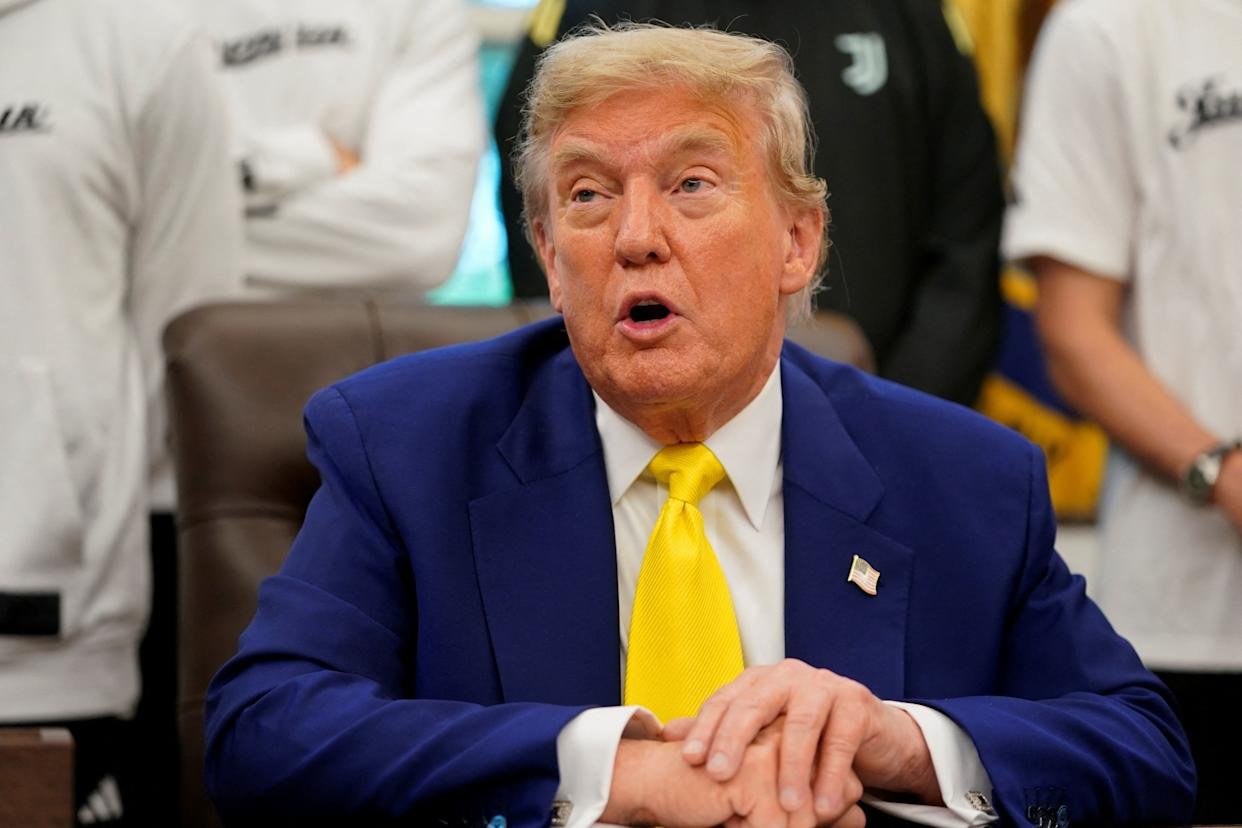
The President of the United States, Donald Trump, has publicly pushed back against a recent report by the Wall Street Journal which claimed that he had privately approved military strike plans against Iran but had postponed giving the final authorization, hoping that Iran would abandon its nuclear program instead.
The report, which drew significant attention in international media, suggested that while military options were prepared, Trump was weighing diplomatic considerations before deciding on any action.
In response to this report, Trump took to his social media platform, Truth Social, to firmly deny the claims. He stated explicitly that the Wall Street Journal has no understanding of his actual thoughts or intentions regarding Iran. This statement was made to clarify his position and counter the narrative presented by the newspaper.
Trump’s comments emphasize a disconnect between the media’s portrayal and his personal decision-making process concerning the escalating tensions with Iran.
The Wall Street Journal’s report had suggested that Trump had signed off on contingency plans for military strikes against Iranian nuclear facilities but delayed execution, leaving the door open for a diplomatic resolution.
However, Trump’s rebuttal on social media underscores his rejection of this characterization and reaffirms that the media is misrepresenting his stance.
This back-and-forth comes amid increasing global concern over the growing conflict between Israel and Iran, with the international community watching closely for any signs of further escalation.
The U.S. administration’s approach to Iran remains a subject of intense scrutiny, and Trump’s denial adds complexity to the ongoing discourse about possible military actions and diplomatic efforts.
By denying the Wall Street Journal’s claims, Trump seeks to assert control over the narrative surrounding his foreign policy decisions, particularly those related to Iran’s nuclear ambitions. His remarks highlight the broader tensions between media reports and official statements, underscoring the challenge of discerning the true direction of U.S. policy amid rapidly changing geopolitical developments.
