

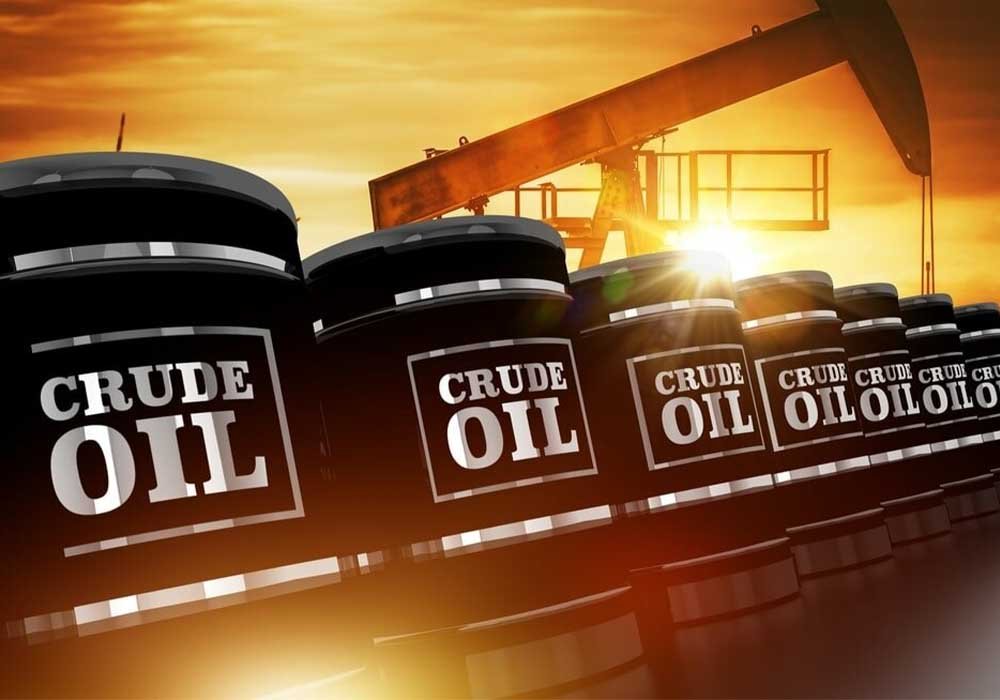

Crude oil prices continued their upward trajectory on Wednesday amid escalating tensions between Israel and Iran, stoking concerns over potential disruptions to supply from the world’s most critical oil-exporting region.
Brent crude was trading at $76.69 per barrel at the time of writing, with its premium over the Dubai benchmark surpassing $3 per barrel—the highest since September 2023, according to Reuters. West Texas Intermediate (WTI) was priced at $75.16 per barrel after a 4% gain on Tuesday.
The latest surge was partially driven by reports of two oil tankers catching fire near the Strait of Hormuz. Though the blaze was later confirmed to be the result of a collision, rather than an attack, it added to market jitters. Reuters also reported that electronic interference—allegedly linked to the ongoing hostilities between Tel Aviv and Tehran—has been disrupting navigation systems in the area.
The Strait of Hormuz, through which over 20 million barrels of oil pass daily, remains a vital artery for global energy supplies, handling around a third of the world’s maritime oil trade. Tensions in the region have prompted major shipping companies, including the world’s largest tanker operator Frontline, to avoid the strait due to safety concerns. Fears have also grown over a possible Iranian move to close the strategic chokepoint, although any such closure is expected to be short-lived due to the significant U.S. military presence in the Persian Gulf.
Adding to geopolitical uncertainty, former U.S. President Donald Trump hinted at potential American involvement in the conflict. In a Tuesday post on his Truth Social platform, he warned Iran’s leadership, saying:
“We know exactly where the so-called ‘Supreme Leader’ is hiding. He is an easy target, but is safe there—we are not going to take him out (kill!), at least not for now. But we don’t want missiles shot at civilians, or American soldiers. Our patience is wearing thin. Thank you for your attention to this matter!”
The volatile situation has reinforced market fears of a broader regional conflict that could severely impact global oil flows and pricing in the near term.
