

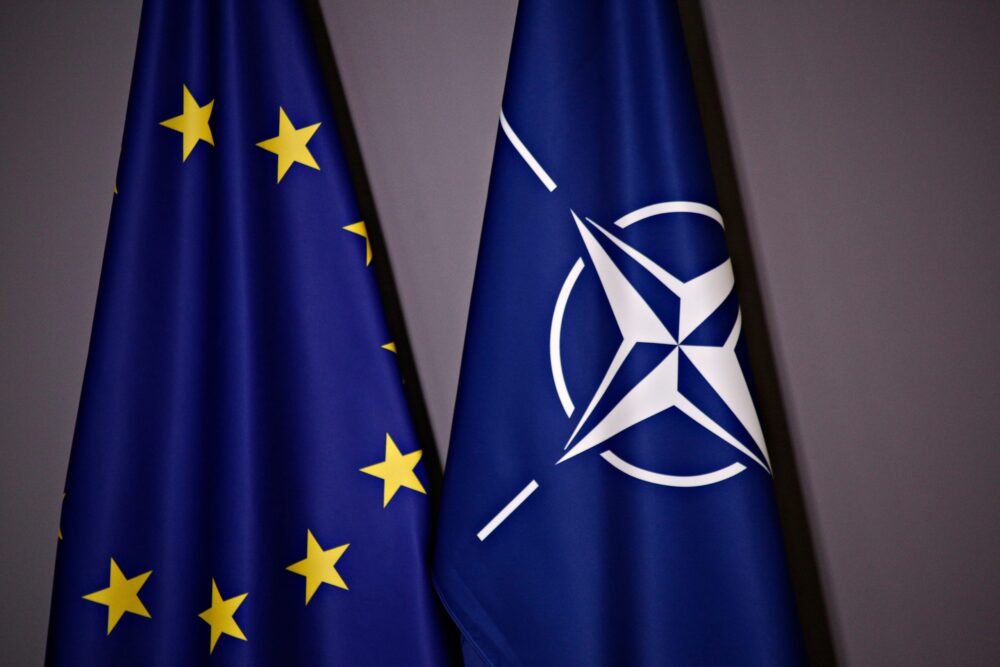

BRUSSELS — In a strategic shift, NATO is scaling back public disclosures of its military activities and aid to Ukraine over growing concerns that Russia is exploiting the alliance’s transparency for both propaganda and operational advantage, according to officials from three NATO countries who spoke anonymously to The Moscow Times.
As NATO prepares for a pivotal summit in The Hague this month—where members are expected to boost defense spending targets to 5% of GDP—the alliance is reassessing its communication strategy. Officials say Moscow has been closely monitoring NATO press briefings and public statements, often relaying them across Russian media platforms in near real time.
“Everything we say ends up on Russian Telegram channels almost instantly,” one official from a leading NATO country noted. “They seem to follow us more attentively than our own press does.”
In particular, NATO’s interactions with Ukrainian Defense Minister Rustem Umerov, and subsequent announcements like the €20 billion aid package to Ukraine, have triggered a flurry of reporting on Russian state-run outlets such as TASS and RIA Novosti.
Sources said Russian media has not only reported on these developments but also twisted statements from NATO leaders to suit Kremlin narratives. The Kremlin’s disinformation playbook now includes everything from distorting diplomatic interactions to circulating false rumors targeting Western leaders. French President Emmanuel Macron, for example, has been targeted by a smear campaign that included doctored videos and absurd claims—such as a fabricated image showing cocaine on a train table during his visit to Kyiv with German and British leaders. The supposed “cocaine” was, in fact, just a napkin.
In light of such manipulations, NATO is adopting a more guarded approach. The alliance will no longer disclose specifics about weapons deliveries or defense planning, aiming to prevent Russia from anticipating its moves.
Germany has already shifted gears. In May, Berlin refrained from publicly confirming the delivery of long-range Taurus missiles to Ukraine and has since classified all military aid data. A German diplomat explained the change in tone: “At first, we published everything—even down to the number of missiles. But then we realized: Who was that really helping? Certainly not us.”
With Russia intensifying its hybrid warfare tactics, NATO’s new information blackout marks a calculated attempt to protect strategic advantage and shield its plans from Kremlin exploitation.
