

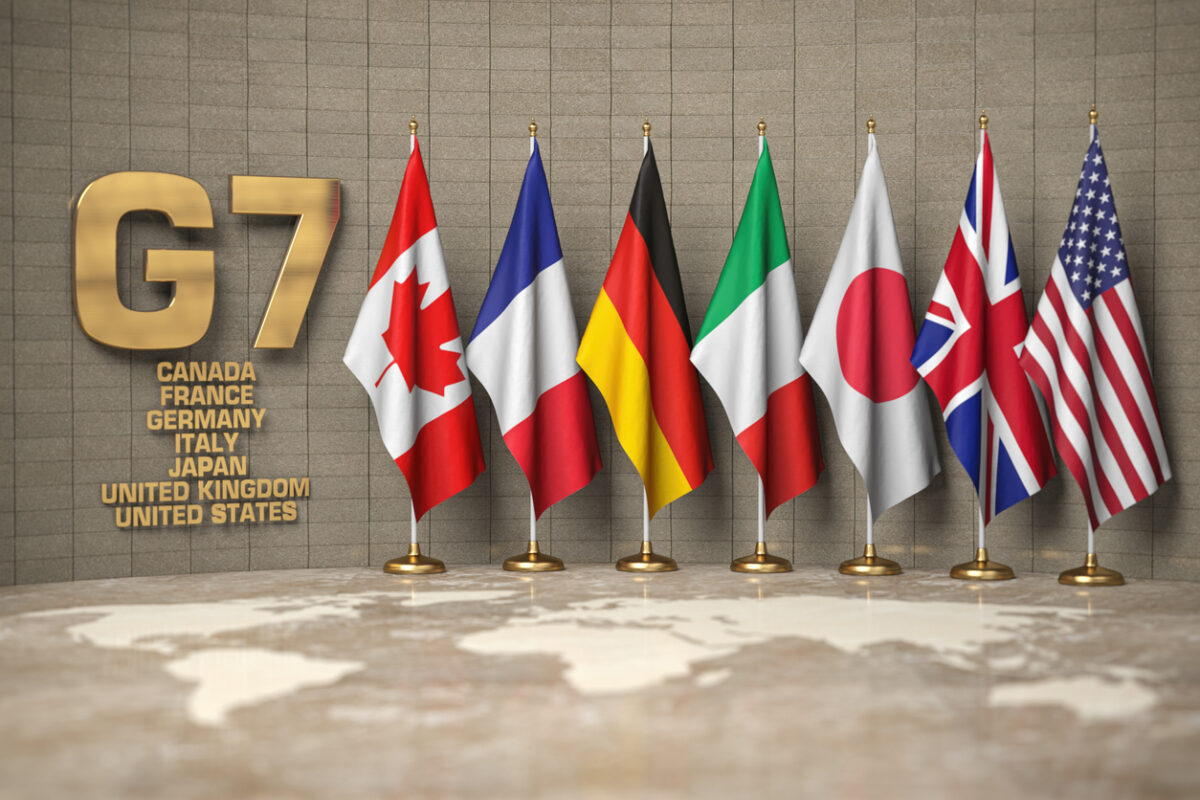

G7 leaders gathered on Monday in the Canadian Rockies aiming to forge consensus on the wars in Ukraine and the Middle East. However, before the summit officially began, US President Donald Trump disrupted the agenda by openly supporting Russian President Vladimir Putin, calling Russia’s removal from the G8 in 2014 a “big mistake.”
Speaking beside Canadian Prime Minister Mark Carney, Trump claimed Russia wouldn’t have invaded Ukraine had Putin remained in the group, asserting, “Putin speaks to me. He doesn’t speak to anybody else.” His remarks have thrown into question how effective Ukrainian President Volodymyr Zelenskiy’s upcoming meeting with G7 leaders will be, especially as European nations seek stronger US backing for sanctions against Moscow.
French President Emmanuel Macron swiftly dismissed Trump’s suggestion that Putin could mediate in the Israel-Iran conflict, stressing that Moscow had lost credibility by waging an illegal war in Ukraine. Despite Trump’s apparent resistance, European officials hope to sway him during meetings with Zelenskiy, NATO Secretary General Mark Rutte, and at next week’s NATO summit.
Trump’s reluctance to sign a joint statement on de-escalating the Israel-Iran conflict has already dimmed prospects for unified action. Canada, wary of repeating the 2018 Quebec summit fallout, has abandoned efforts to issue a final communique. Drafts on issues like migration, AI, and critical minerals remain unsigned by the US, leaving G7 declarations uncertain.
The summit—set against surging tensions and rising oil prices following Israeli strikes on Iran—comes at a critical diplomatic juncture. While European leaders appear aligned, Trump’s divergence on Russia and the Middle East threatens to fracture G7 solidarity at a time unity is most needed.
