


Canadian Sikhs
Members of Canada’s Sikh community have expressed deep anger and frustration over the federal government’s decision to invite Indian Prime Minister Narendra Modi to the upcoming G7 summit in Alberta.
The move has sparked a strong backlash, especially among those who have previously been warned by Canadian law enforcement that their lives were under threat—a threat they allege originates from the Indian government.
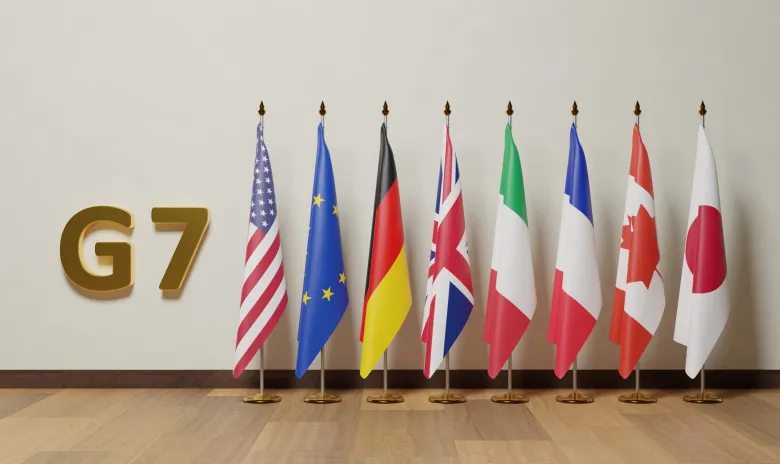
The controversy stems from an official invitation extended by Canadian Prime Minister Mark Carney to Modi, despite India not being a member of the Group of Seven (G7), an informal bloc of some of the world’s largest advanced economies.
The summit, set to begin on Sunday, marks Modi’s first visit to Canada in a decade and comes amid a strained diplomatic relationship between the two countries.
Tensions between Canada and India have been escalating since 2023, when then-Prime Minister Justin Trudeau publicly accused the Indian government of being involved in the assassination of Hardeep Singh Nijjar, a Canadian citizen and prominent Sikh separatist leader.
Nijjar was gunned down outside a Sikh temple in British Columbia on June 18, 2023, in what Canadian intelligence officials later characterized as a politically motivated killing. The Indian government has consistently denied any involvement in Nijjar’s death, but the fallout has significantly impacted bilateral relations.
Sikh activists in Canada, particularly those who were close to Nijjar, have reacted strongly to Modi’s invitation. “Outrage is the kind of term that I’ve heard from people,” said Moninder Singh, a prominent Sikh advocate and a personal friend of the slain activist.
Singh emphasized that the decision to host Modi has reopened deep wounds for the Sikh community, many of whom feel abandoned and unsafe following the unresolved investigation into Nijjar’s murder and the continued lack of accountability.
Critics argue that inviting Modi to the summit sends the wrong message—not only to India but also to members of the Canadian Sikh community who feel targeted and marginalized.
For them, the invitation appears to undermine the seriousness of the threats they face and signals a willingness to overlook unresolved allegations of foreign interference and political violence.
Prime Minister Carney, who is relatively new to politics and currently navigating a difficult trade dispute with the United States, is seeking to bolster Canada’s global partnerships and diversify the country’s trade relationships.
India, as one of the world’s largest emerging economies, represents a valuable potential partner in this effort. However, this diplomatic calculus has placed Carney in a delicate position: striving to strengthen international alliances while risking domestic backlash from a vocal and politically active diaspora community.
As the G7 summit approaches, the Sikh community’s outrage is unlikely to subside, and the broader implications for Canada–India relations—and Carney’s handling of them—will be closely watched both at home and abroad.
