


Military Deals
On Wednesday, US Senate lawmakers blocked two significant bills aimed at halting major military deals with Qatar and the United Arab Emirates (UAE). One of the bills specifically targeted President Donald Trump’s controversial agreement with Qatar, under which the country offered a luxury Boeing 747-8 jet as a gift to serve as the next Air Force One.
The gift, estimated to be worth around $400 million, sparked widespread debate and concerns over ethics and legality from both Republicans and Democrats.
The Senate vote, which ended with a tally of 39 in favor and 56 against, also rejected resolutions that sought to block a $1.9 billion sale of MQ-9 Reaper drones to Qatar and a $1.3 billion deal involving Chinook helicopters to the UAE.
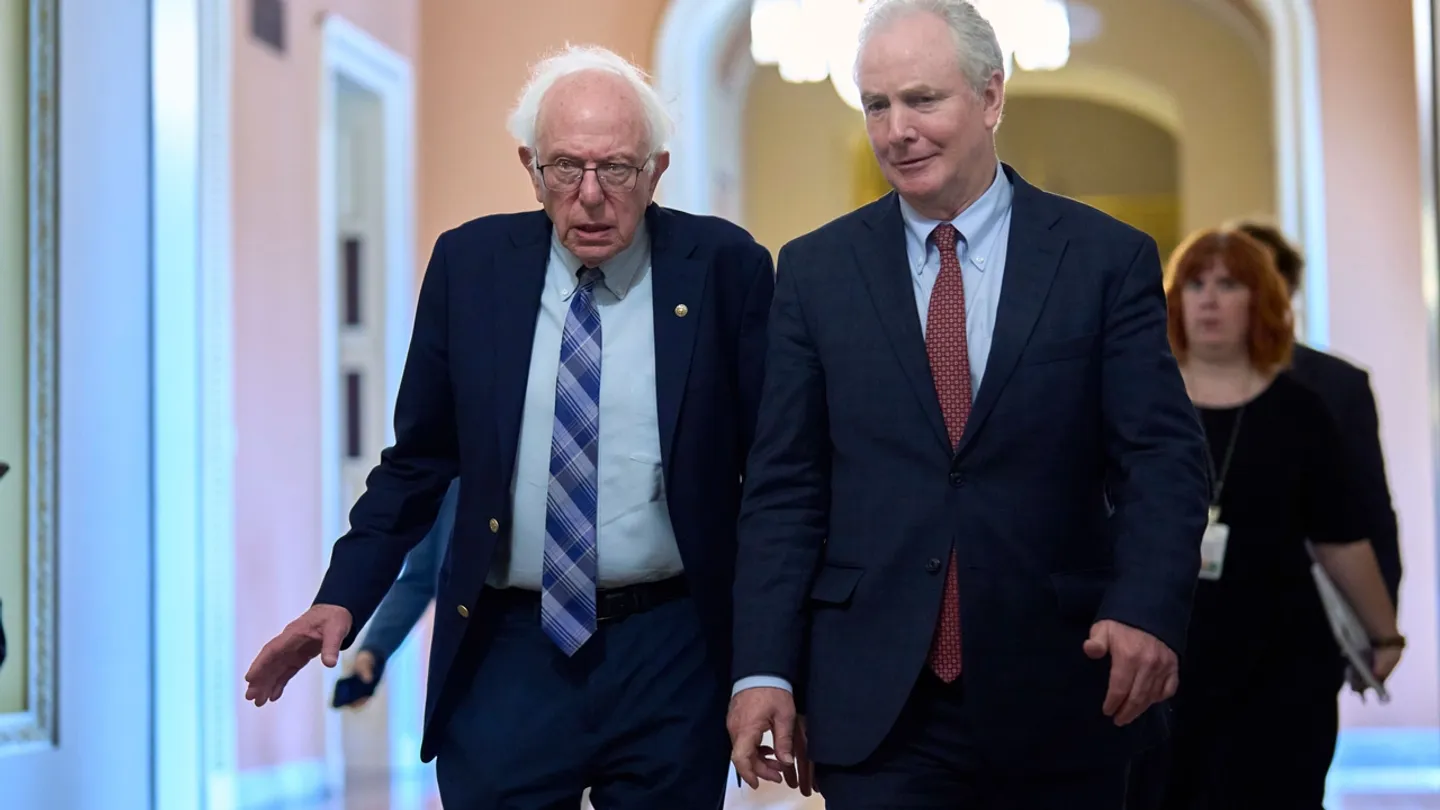
Several Democratic senators, including Chris Murphy, Chris Van Hollen, Brian Schatz, Tim Kaine, Bernie Sanders, Mazie Hirono, and Jeff Merkley, had pushed for the vote to challenge these military sales.
In his remarks on the Senate floor, Senator Chris Murphy acknowledged the strategic importance of Qatar and the UAE as partners in the Middle East. However, he stressed the need for caution, saying, “What we need to say here is not that we are going to permanently pause our military relationships with these countries, but for the time being while these two nations are willing to pay the president tribute, we cannot endorse or condone business as usual.” His statement underscored concerns that accepting such lavish gifts might undermine the integrity of US foreign policy and defense dealings.
President Trump had publicly defended his acceptance of the luxurious jet during his May visit to the Middle East, remarking, “Only a FOOL would not accept this gift on behalf of our Country.”
Nevertheless, the acceptance of such an extravagant gift raised questions among lawmakers about the appropriateness of such transactions, especially given their potential impact on diplomatic relations and military partnerships.
Despite the opposition, the Senate’s decision to reject the bills means that the proposed sales and the controversial Air Force One gift will proceed as planned.
This outcome allows the administration to maintain its existing military agreements with Qatar and the UAE while sparking ongoing debate about transparency and ethics in international defense deals.
