

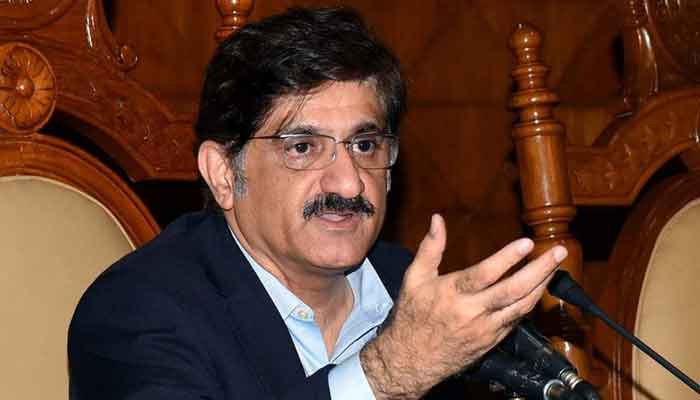

KARACHI: The Sindh government is preparing to present its provincial budget for the fiscal year 2025–26 in the Sindh Assembly on June 13, with a development budget of Rs600 billion allocated across 57 departments and autonomous bodies, according to sources involved in the planning process.
Budget Overview and Approval
The Sindh Development Committee has already approved the proposed development allocations following extensive consultations with stakeholders.
Key Sectoral Allocations
Education
- Rs83 billion for school education
- Rs7 billion for college education
- Rs8 billion for university boards
Health and Social Protection
- Over Rs47 billion for the health sector
- Rs12 billion for social protection initiatives targeting vulnerable populations
Agriculture and Energy
- Rs13 billion approved for the agriculture department (out of a proposed Rs14 billion)
- Over Rs15 billion for the energy department
- Rs12 billion+ for Thar Coal infrastructure development
Local Government and Mega Projects
- Rs130 billion allocated to the Local Government Department
- Rs12 billion earmarked for the Karachi Mega Project, focused on urban development and infrastructure improvements
Transport and Infrastructure
- Rs57 billion for the transport department
- Rs139 billion for the Works and Services Department, supporting road construction, bridges, and public infrastructure
Irrigation and Water Resources
- A major Rs96 billion allocation for the Irrigation Department, reflecting the province’s focus on water management and agricultural resilience
Allocations to Other Departments
- Rs11 billion – Home Department
- Rs7.92 billion – Finance Department
- Rs4 billion – Forest Department
- Rs4 billion – Industries Department
- Over Rs230 million – Information Department
- Rs16 billion – Planning Department
- Rs140 billion – Services Department
- Rs410 million – Food Department
- Rs130 million – Human Rights initiatives
The budget reflects the Sindh government’s priorities in infrastructure development, public service delivery, and climate-resilient planning, with a strong focus on health, education, and water resource management.
