


The widow of Russian opposition leader Alexei Navalny and the press freedom group Reporters Without Borders (RSF) have welcomed the launch of a new satellite television channel designed to circumvent Kremlin censorship and keep Navalny’s message alive inside Russia.
The channel, named “Future of Russia,” will begin broadcasting on June 4—the day Navalny would have turned 49—via a free-to-air satellite platform managed by RSF.
Navalny’s exiled media team hopes the initiative will expand their reach beyond YouTube, which is frequently blocked in Russia, and bring uncensored content directly into Russian homes.
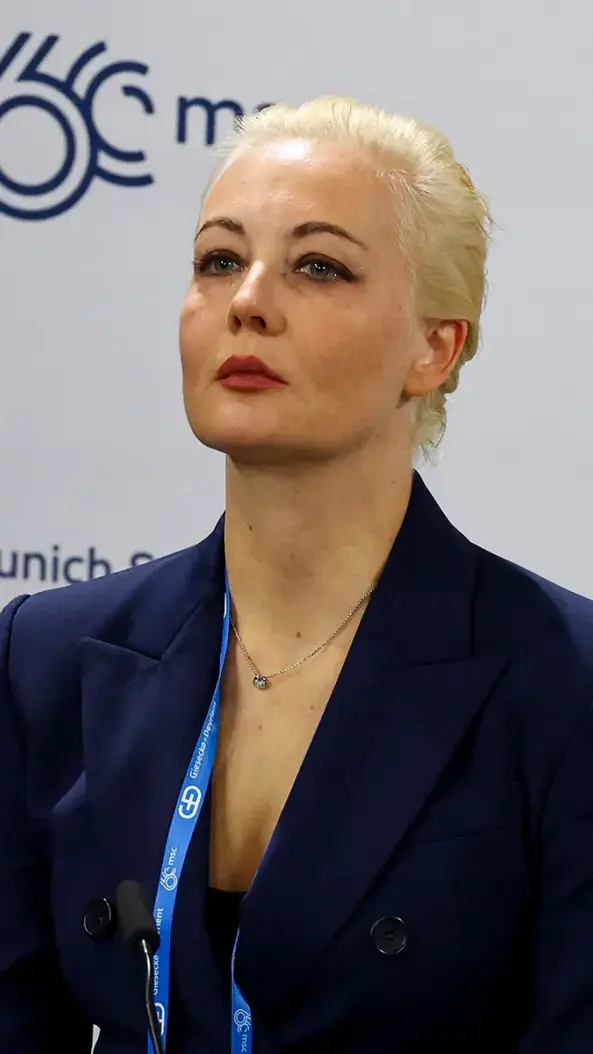
“I believe this will be a lasting partnership,” Yulia Navalnaya, Navalny’s widow, said at a press conference in Paris. “We’re doing everything we can to continue reaching people inside Russia, despite the regime’s efforts to silence us.”
Since the full-scale invasion of Ukraine in 2022, the Russian government has outlawed public dissent, banned independent journalism, and restricted access to Western media platforms.
“Russia is under almost total censorship,” Navalnaya added. “Under dictatorship, it is extremely difficult to spread truthful information.”
Thibaut Bruttin, RSF’s director, emphasized the significance of the project: “Reaching Russian audiences with uncensored information is more important than ever. This channel offers a powerful way to do that.”
Jim Phillipoff, head of RSF’s Svoboda Satellite project, explained that nearly 45% of Russians still rely on satellite TV, making it one of the few remaining channels to reach the domestic audience directly.
“Navalny’s team has been pioneering in its battle against Kremlin propaganda, which merges Western-style polish with Soviet-style control,” Phillipoff said. “This is one of the only viable ways to challenge that narrative on Russian television.”
Navalny, widely regarded as President Vladimir Putin’s most prominent opponent, died suddenly on February 16, 2024, while imprisoned in a remote Arctic penal colony. His family and allies insist he was assassinated on Putin’s orders—a claim the Kremlin denies.
With Russia’s leading opposition voices either imprisoned or forced into exile, supporters hope that this new channel can help preserve and carry forward Navalny’s legacy.
