

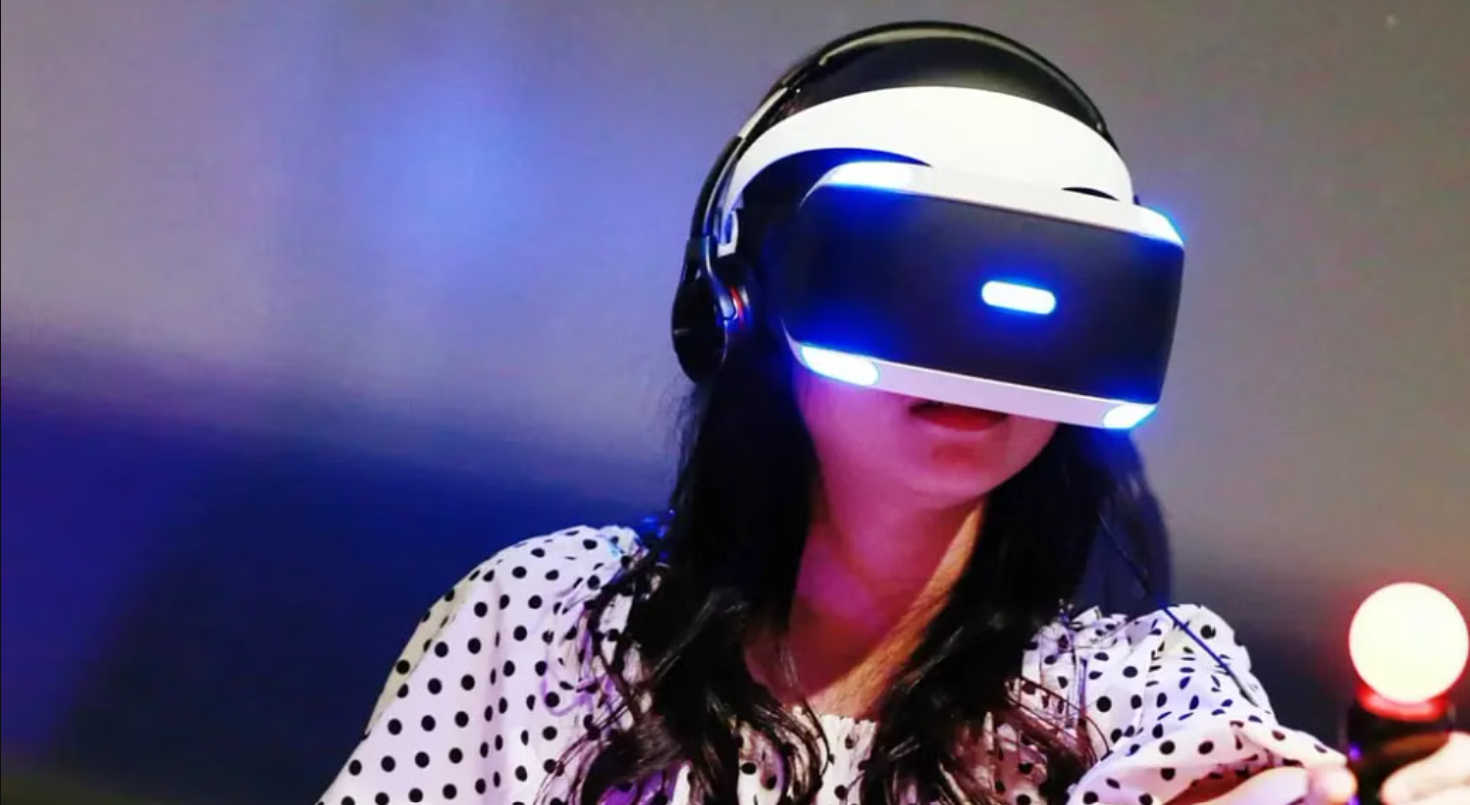

Contrary to the common belief that video games contribute to declining vision, new research from Japan suggests that a specific type of virtual reality (VR) game could actually help improve eyesight.
A team of researchers from Kwansei Gakuin University’s Graduate School of Science and Engineering developed a custom VR shooting game aimed at alleviating pseudo-myopia—a temporary form of short-sightedness that mimics myopia but is usually reversible.
The study involved ten participants who played the VR game over a six-week period. The game tasked players with shooting circular targets that moved progressively farther away after each successful hit, encouraging the eyes to continuously adjust focus between short and long distances. These visual shifts replicate therapeutic techniques often used by eye specialists to ease eye strain and treat pseudo-myopia.
Pseudo-myopia is commonly triggered by extended screen exposure and can often be corrected through exercises involving distance focusing and depth perception. By integrating these exercises into an engaging gaming format, researchers created a fun and consistent way to train the eyes.
The most striking improvements were observed in participants who had moderate to severe short-sightedness at the beginning of the trial. Their significant progress suggests their symptoms were likely due to pseudo-myopia rather than permanent myopia, which generally requires corrective lenses or surgical treatment.
Notably, even those who played the game every third day experienced measurable improvements, indicating that the therapy does not need to be performed daily to be effective. The research team now plans to expand the study to a larger group and is considering the possibility of bringing the game to market.
If future research confirms these initial findings, this VR-based solution could offer a convenient, non-invasive approach to addressing eyesight issues—particularly among younger individuals who are increasingly exposed to screens.
