

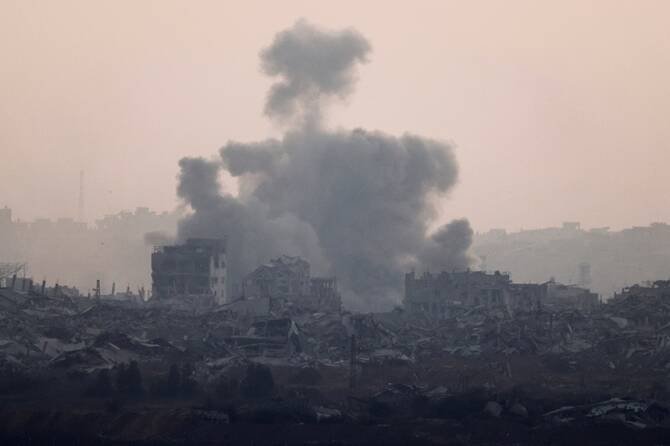

Hamas has dismissed a U.S.-backed ceasefire proposal, citing the absence of guarantees for a permanent end to Israel’s ongoing military operations in Gaza. The group’s senior official, Basem Naim, stated that the revised draft presented by U.S. envoy Steve Witkoff deviated significantly from the initial agreement discussed a week prior. Naim emphasized that the new terms offer no assurances for a lasting ceasefire.
Hamas’s Conditions for Ceasefire
In response, Hamas outlined several conditions:
- A full Israeli withdrawal from Gaza.
- Unrestricted humanitarian aid access.
- The release of 10 living Israeli hostages and the return of 18 deceased individuals.
- The exchange of over 1,200 Palestinian prisoners.
These demands were presented as part of a broader framework aimed at achieving a permanent ceasefire.
International Reactions
U.S. envoy Steve Witkoff rejected Hamas’s response, labeling it “totally unacceptable.” He reiterated that the original proposal, which included a 60-day ceasefire and the return of hostages, remained the only viable path forward.
Israeli Prime Minister Benjamin Netanyahu echoed this sentiment, condemning Hamas’s position and reaffirming Israel’s commitment to continuing military operations until all hostages are returned and Hamas is defeated.
Humanitarian Crisis in Gaza
The humanitarian situation in Gaza has deteriorated sharply, with the Palestinian Health Ministry reporting over 54,000 deaths since October 2023. The United Nations has declared that all of Gaza’s population is now facing acute food insecurity, with more than 495,000 people at risk of starvation. The World Food Programme has warned that the ongoing conflict and blockade are severely hindering aid distribution.
Prospects for Peace
Despite international pressure, significant obstacles remain to implementing a ceasefire and resolving the crisis. Both sides continue to hold firm to their positions, and the path to a lasting peace appears uncertain.
