

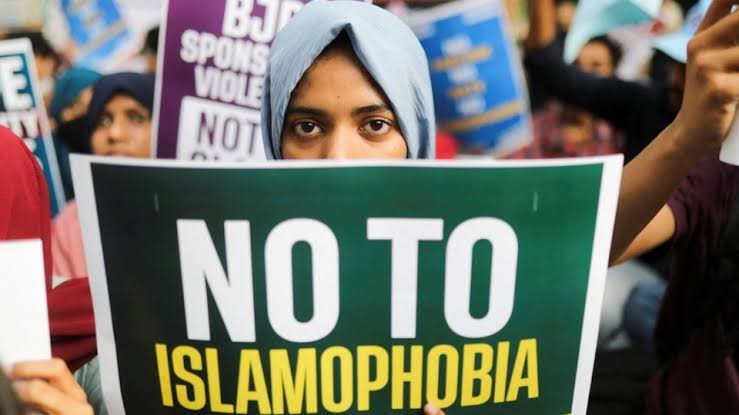

Islamophobia
Pakistan has expressed deep alarm over the escalating wave of Islamophobic incidents across India, warning of their grave implications for communal harmony and regional stability.
In a strongly worded statement on Saturday, Foreign Office spokesperson Shafqat Ali Khan called on the Indian government to uphold the rights and safety of all its citizens, irrespective of their religious affiliations.
“The targeting of Muslims through hate speech, discriminatory policies, and apparent state complicity is a matter of serious concern for the international community,” Khan said in response to media queries. He urged India to take meaningful steps to ensure the protection and dignity of its Muslim minority.
Tensions between the two nuclear-armed neighbors have intensified following the deadly Pahalgam attack on April 22, which resulted in the deaths of at least 26 tourists. While India has blamed Pakistan for aiding cross-border terrorism, Islamabad has categorically denied involvement, highlighting the lack of concrete evidence.
In response to the accusations and the growing hostility, Pakistan launched a large-scale retaliatory military operation named “Operation Bunyan-um-Marsoos,” targeting Indian military sites across several regions earlier this month.
In the aftermath of the Pahalgam attack, Islamophobic rhetoric and violence have surged in India. The Association for Protection of Civil Rights (APCR), a New Delhi-based rights group, documented at least 184 anti-Muslim hate incidents within a month.
These include three murders, numerous assaults, threats, acts of vandalism, and widespread hate speech. The organization noted that over half of these incidents were directly triggered by the Pahalgam attack.
The rise in hostility has been fueled by ultranationalist narratives on social media, where Indian Muslims are often labeled as “infiltrators” or “traitors.” Right-wing Hindu nationalist groups, such as the Vishva Hindu Parishad (VHP), have intensified their campaigns, calling for the expulsion of Pakistani citizens and accusing Indian Muslims of harboring terrorist sympathies.
VHP leader Surendra Jain went as far as suggesting that the “religion” of the perpetrator was evident, further inflaming religious tensions.
This climate of hate has spilled over into daily life. In Hyderabad, extremists targeted a local eatery named “Karachi Bakery,” demanding that it change its name due to its association with a Pakistani city.
Meanwhile, a provocative song circulating on YouTube titled Pehle Dharam Pocha (They Asked About Religion First) accuses Indian Muslims of conspiring against Hindus and calls for their expulsion from India.
Spokesperson Khan emphasized that such deliberate incitement of religious hatred, especially in times of heightened tensions, not only violates international human rights norms but also undermines any prospects for peace and reconciliation in the region. Pakistan has called upon the international community to take note of the situation and urge India to curb the dangerous rise in anti-Muslim sentiment.
