

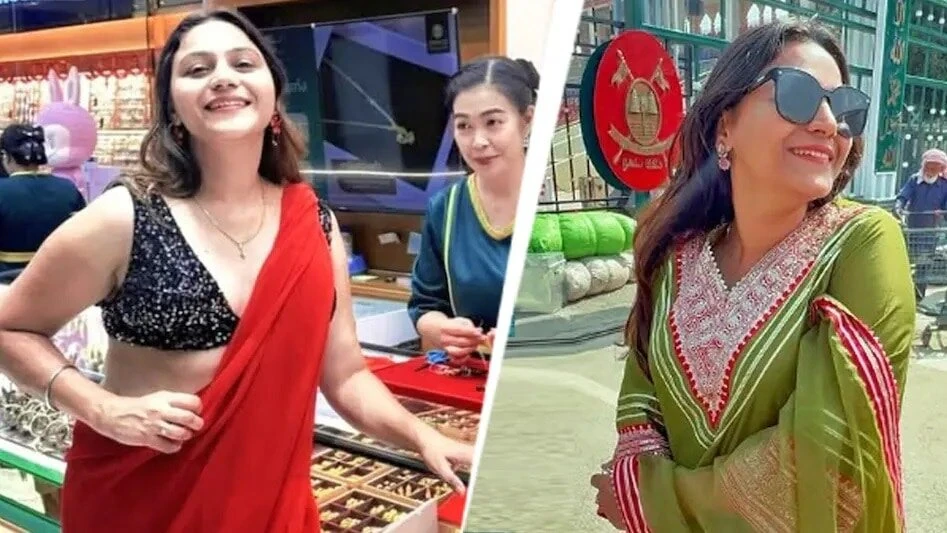

Indian travel vlogger Jyoti Malhotra has been arrested on allegations of spying for Pakistan, as tensions between the two neighboring countries continue to escalate.
Malhotra, a popular YouTuber from Haryana’s Hisar district, was detained by Indian authorities who accused her of engaging in espionage activities during a recent visit to Pakistan. The charges include her contact with a Pakistani diplomat and a prior visit to Pahalgam, a region that became the site of a recent attack three months later.
Her trip to Lahore — particularly a vlog filmed in the vibrant Anarkali Bazaar — drew scrutiny from Indian officials in light of the heightened political climate. The timing and content of her travels have become central to the ongoing investigation.
Malhotra runs the YouTube channel Travel with Jo, which boasts over 382,000 subscribers. She is known for her engaging travel vlogs that explore destinations across India and abroad, showcasing local culture, transportation, and everyday life. Her previous travels include China, Indonesia, Bhutan, and other countries, where she has received praise for her visual storytelling — though some of her content, such as positive remarks about Chinese infrastructure and scenic views in Indonesia, has drawn criticism from pro-government media outlets.
Her recent trip to Pakistan, however, has become the flashpoint. Government-aligned media have launched aggressive campaigns framing her as a security risk, fueling a broader narrative of suspicion around cross-border interactions and neutral cultural content.
Observers say Malhotra’s arrest highlights a deepening climate of intolerance in India, where even apolitical travel content is increasingly filtered through a lens of political allegiance and nationalism. Critics argue that the move reflects a shrinking space for independent voices, particularly those that deviate from dominant ideological lines.
The case has ignited a wave of concern on Indian social media, with many warning that dissent or cultural openness is now being conflated with disloyalty — making it perilous for independent creators, influencers, and journalists alike.
Analysts see the arrest as part of a wider effort to bring all media narratives into alignment with the ruling government’s Hindutva-driven worldview, further restricting space for alternative perspectives and cross-border dialogue.
